
 Náhled
 Sdílet
 Sdílet
 Podrobnosti o díle

 Stáhnout
 Podobné položky
 Rentgenové snímky
 Slideshow
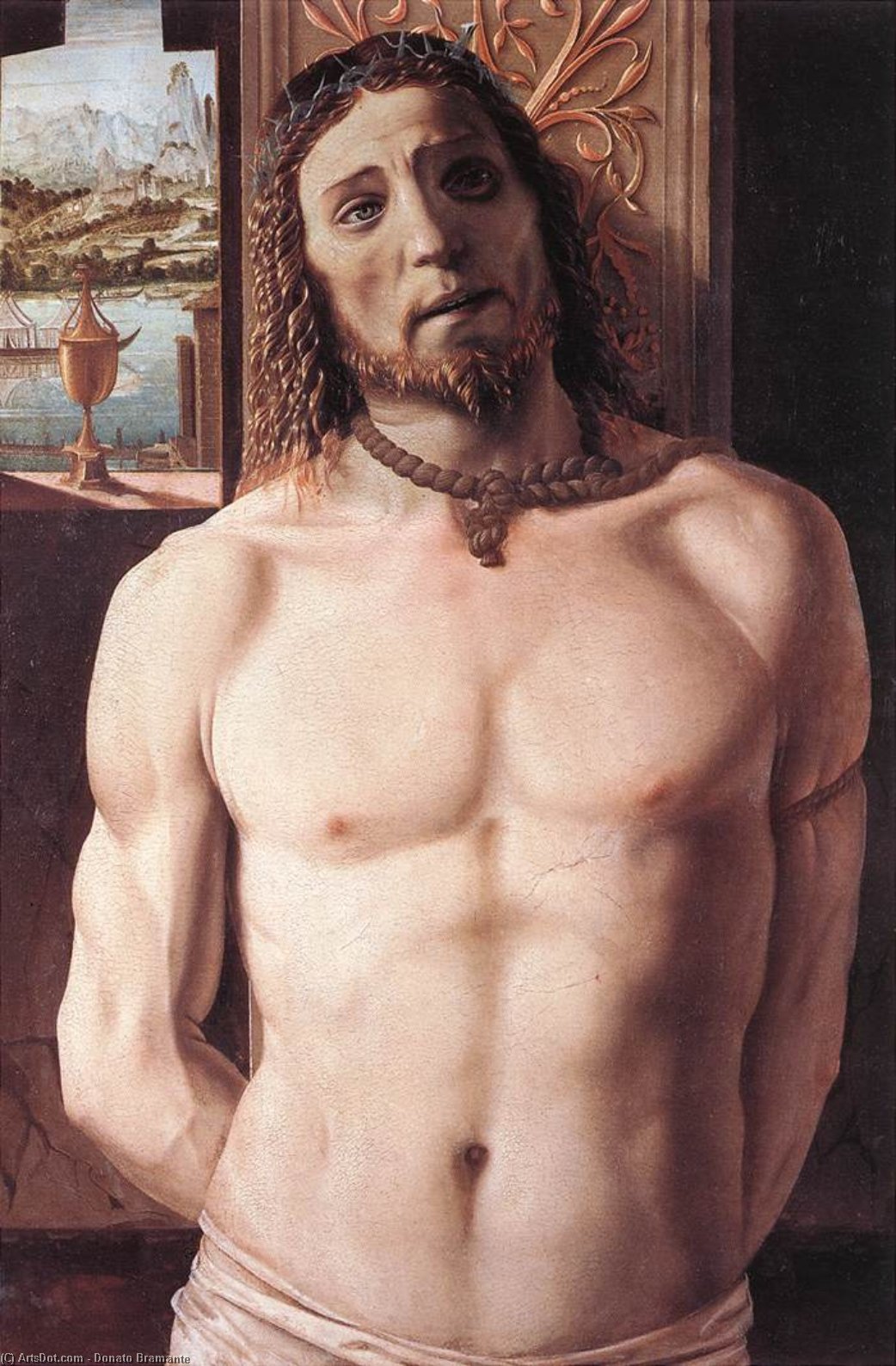
Christ at the Column
 Acrylic On Canvas
- WallArt
 1490
1490 93.0 x 62.0 cm
 Pinacoteca di Brera
 Zobrazit více
Koupě vysoce rozlišeného, vylepšeného digitálního obrazu, který je mnohem kvalitnější než online náhled.
Každý soubor je pečlivě připraven našimi odborníky pomocí pokročilých nástrojů a expertní manuální retuše. Zajišťujeme, aby každý obraz disponoval výjimečnou ostrostí, přesnou barevnou věrností a jemnými detaily.
Finální soubor vám bude do 72 hodin zaslán e-mailem, optimalizovaný pro okamžité použití v profesionálním, redakčním i tiskovém prostředí. Nabízíme stejnou kvalitu, které důvěřují špičková designová studia, nakladatelství i galerie.
Digitální obrazy
Stáhněte si soubor ve vysokém rozlišení pro osobní prohlížení, tisk a kreativní projekty. ( Koupit tisk Koupit ručně malovaný obraz)
Součást každé objednávky digitálního obrazu
Profesionální digitální doručení, zaručeno.
Když si vyberete OriginalUniqueArt.com, nezískáváte pouze obrázek – získáváte digitální umělecké dílo s profesionálně vylepšenými detaily, zpracované s precizností a podpořené zárukou za spokojenost. Zde je vše, co vaše objednávka automaticky obsahuje:

Rychlé doručení e-mailem
Váš digitální obraz ve vysokém rozlišení vám bude zaslán e-mailem do 72 hodin od objednávky – připraven k okamžitému použití.

Digitální soubor s využitím AI
Vaše umělecké dílo je profesionálně optimalizováno pomocí pokročilých nástrojů umělé inteligence a manuální úpravy, což zajišťuje maximální úroveň detailu, ostrosti a přesnosti barev.

Bezplatné doživotní znovuodeslání
Soubor jste omylem smazali nebo ztratili? Žádný problém – kdykoliv vám ho znovu zašleme zcela zdarma.

Bez poplatků za dovoz – navždy
Užijte si své umělecké dílo okamžitě bez celních poplatků, daní nebo nákladů na dopravu – digitální stažení je vždy bez daňových povinností.

Záruka přesnosti barev
Pomocí profesionálních nástrojů a správy barev zajišťujeme, aby váš digitální obraz odrážel původní barvy co nejvěrněji.

60denní záruka spokojenosti
Pokud nebudete s digitální fotografií spokojeni, provedeme její revizi nebo vám vrátíme 100% během 60 dnů – bez jakýchkoliv dotazů.

100% záruka vrácení peněz
Nespokojeni? Získejte plnou částku zpět do 60 dní od přijetí vašeho digitálního souboru – bez jakýchkoliv dotazů.

Slevy při hromadných objednávkách
Koupěte si 3 obrazy, ušetřete 10% - Koupěte si 5, ušetřete 15% - Koupěte si 10+, ušetřete 20%. Ideální pro kreativní projekty, galerie a agentury.
Biografie umělce
Petrus Christus: Mostrování mostu mezi středověkem a renesancí
Petrus Christus, jméno, které bylo po staletí téměř neznámé, stojí jako klíčová postava v přechodu mezi pozdní gotickým a raně renesančním uměním severní Evropy. Byl narozen kolem roku 1410/1420 v Baarle, poblíž Antwerpi, a aktivní především v Brugách od roku 1444 až do své smrti kolem roku 1475/1476. Dědictví Christuse nespočívá na grandiózních, revolučních dílech, ale spíše na tichě inovativním přístupu k malbě – přístupu, který spojoval pečlivý detail s nově vznikajícím pocitem objemu a perspektivy. Představuje zásadní most mezi vysoce stylizovanými, iluminovanými rukopisy středověkého období a rozvíjejícím se naturalismem renesance, ukazujíc mimořádnou schopnost absorbovat a adaptovat vlivy z různých zdrojů.
Rané životní období Christuse zůstává poněkud zahaleno tajemstvím. Předpokládá se, že byl učněním u Jana van Eycka, nejznámějšího malíře své doby, ačkoliv přesná povaha tohoto vztahu – zda byl skutečným учеníkem či pouhým studentem pracujícím ve van Eyckově ateliéři – je stále předmětem debat akademických kruhů. Pečlivý detail a přesné vykreslení patrné v dílech Christuse silně naznačují vliv průkopnického realizmu van Eycka, zejména v jeho mistrovském použití oleje. Nicméně, na rozdíl od van Eycka, který se často zaměřoval na velké narrace a náboženské scény, Christus rychle vyvinul charakteristický styl, vyznačující se úžasnou pozorností k texturám a povrchům svých subjektů – od sametových šatů bohatých patrontů až po jemné záhyby látky. Jeho rané díla byla převážně objednávačka vzrůstající obchodní třídy Brugy, což odráželo rostoucí bohatství města a jeho mezinárodní obvyk.
Mistr detailu: Technika a inovace
To, co okamžitě odlišuje malby Christuse, je jeho mimořádná úroveň detailu. Pečlivě vykreslil každý prvek – každý steh v oblečení, každé bliknutí kovu, každý vlas – s téměř manický přesností. Tento přístup echo z technik používaných při iluminaci rukopisů, kde byly složité detaily nezbytné pro vyznání informací i krásy. Nicméně, na rozdíl od plochého, dekorativního stylu iluminovaných rukopisů, Christus použil svůj pečlivý detail k vytvoření pocitu třírozměrnosti – což byla klíčová fáze směrem k renesančnímu naturalismu. Byl mezi prvními umělci, kteří přesvědčivě znázornili objem a prostor na dvourozměrném povrchu, používajíc techniky jako pečlivé pozorování světla a stínu a stále sofistikovanější pochopení perspektivy.
Vývoj Christuse je zvláště fascinující při pohledu skrze optiku vědecké analýzy. Moderní vyšetřování pomocí rentgenografie, infračervené reflektografie a dendrochronologického datování odhalilo postupnou evoluci jeho techniky. Ranější díla ukazují důkazy podrysování – běžná praxe v té době – ale pozdější malby demonstrují stále jemnější přístup k kompozici a perspektivě. To naznačuje, že Christus nezkopíroval pouze stávající styly, ale aktivně experimentoval s novými metodami znázornění, posouvaje hranice toho, co bylo možné v rámci omezení středověkých malířských konvencí.
Vlivy a patronáž
Umělecká cesta Christuse byla formována komplexní interakcí vlivů. Jak již bylo zmíněno, Jan van Eyck bezpochyby hrál významnou roli v jeho raném vývoji. Nicméně, čerpalo také inspiraci z Rogiera van der Weydena, dalšími prominentním flamským malířem známým svými dramatickými kompozicemi a expresivními postavami. Dále dílo Christuse odhaluje silný pouto k uměleckým tradicím Itálie, zejména těch Antonella da Messiny a dalších umělců pracujících v Středozemní oblasti. Mnohé jeho objednávky byly realizovány italskými obchodníky a bankéry, kteří navázali prosperující obchodní vazby s Brugami, což vedlo k malbám často s italským nebo španělským původem. Toto vystavení italské umění – se svým důrazem na barvu, světlo a naturalismus – ovlivnilo styl Christuse zjevně.
Patronáž bohatých obyvatel Brugy, včetně burgundských knížat, poskytovala Christusovi stálý tok objednávek. Časté návštěvy knížat v Brugách vytvořily živé umělecké prostředí, které přitahovalo umělce z celého Evropy. Schopnost Christuse adaptovat svůj styl tak, aby odpovídal vkusu svých patronů – ať už požadovali formální portrét nebo intímní kacířskou scénu – demonstruje jeho všestrannost a odezvu na tržní poptávku. Jeho portréty jsou zejména zaujímavé svou psychologickou hloubkou a jemnými vyjadřováními osobnosti.
Dědictví a znovuobjevení
Po jeho smrti zůstal Petrus Christus po staletí zanedbaným pro historiky umění. Jeho dílo bylo označováno za eklektické a odvozené, stíněné slávnějšími postavami Jana van Eycka a Hansa Memlinga. Nicméně, na konci 19. století vedl obnovený zájem o severní renesanční malířství k přehodnocení Christuseho díla. Akademici začali uznávat jeho inovativní techniky a jeho zásadní roli v mostování mezery mezi středověkým a renesančním uměním. Dnes je Petrus Christus stále více oceňován jako jeden z nejdůležitějších a nejvlivnějších malířů rané niderlandské školy – mistr, jehož pečlivý detail a jemné inovace urovnaly cestu pro umělecké úspěchy následujících generací.
Jeho zbývající díla, včetně Portritu karthuzkána, Portritu mladé dívky a několika kacířských panelů, nabízejí poutavý pohled do uměleckého světa Brugy XV. století – města, které sloužilo jako vitální křižovatka mezi Evropou a Středozemím. Dědictví Christuse spočívá ne v grandiózních monumentech, ale v tiché brilantnosti jeho malířství, které stále fascinuje diváky svou mimořádným detailem, jemnou krásou a hlubokým pocitem lidské přítomnosti.

Donato Bramante
1444 - 1514 , Itálie
Stručné informace
- Artistic Movement Or Style: Raný nizozemský
- Artists Or Movements Influenced By This Artist: ['Sandro Botticelli']
- Artists Who Influenced This Artist:
- Jan van Eyck
- Rogier van der Weyden
- Date Of Death: 1475/76
- Full Name: Petrus Christus
- Nationality: Flamenský
- Notable Artworks:
- Portrét kartuňáka
- Portrét mladé dívky
- Place Of Birth: Baarle, Belgie

