
 Náhled v interiéru
 Sdílet
 Sdílet
 Podrobnosti o díle
 Průvodce

 Stáhnout
 Podobné položky
 Rentgenové snímky
 Slideshow
 Otázky a odpovědi
 Statistiky
Madonna with the Child


 Zobrazit více
Giclée / Umělecký tisk
Giclée nebo plátěný tisk muzeální kvality s rychlou výrobou a širokou nabídkou povrchových úprav. ( Koupit ručně malovaný obraz Přepnout na digitální obraz)




P118B Kč10

P118H Kč10

P118W Kč10

P438Z Kč10

P508JH Kč12

P508YH Kč12

P805H Kč10

P805Z Kč10

P919BZ Kč10

P919G Kč10

P919XJ Kč10

P959ZH Kč10

P968JZ Kč12

W106C Kč8

W218G Kč10

W218JH Kč8

W218Y Kč10

W307PJ Kč10

W316G Kč10

W316PJ Kč8

W316Y Kč10

W398PJ Kč8

W4111J Kč10

W500HY Kč15

W500JH Kč15

W692G Kč12

W849H Kč8

W940BG Kč15

W953PJ Kč8




Vyberte si z našich přednastavených velikostí, které odpovídají původním proporcím díla.

Zadejte šířku a výšku, které potřebujete pro váš rám nebo stěnu. Tisk lze pouze oříznout, nikdy však nelze zvětšit obraz nad jeho původní rozměr, proto při výběru jiného formátu dochází ke ztrátě části obrazu. Před samotným tiskem vám zašleme digitální náhled k schválení. Obraz zobrazený na této stránce nenabízí skutečný výřez — ten uvidíte pouze v náhledu.
Celosvětové doručení () do 2 týdnů namísto standardních 4/5 týdnů. (5 listopad)

Zdarma celosvětová expresní doprava

Vysoce kvalitní lněné plátno

Kompletní pojištění přepravy

Záruka vrácení celního poplatku

Záruka věrného barevného souladu

100dení lhůta pro vrácení zboží (pouze při vadách výroby)

100% záruka vrácení peněz

Sleva při více objednávkách
 Skleněná varianta je dostupná pouze u rozměrů menších než 110 cm

Madonna with the Child
Giclée / Umělecký tisk
Rozměry reprodukce
-


Celková cena za vybrané možnosti reprodukcí
Kč 1756
A Divine Encounter: The Early Renaissance Vision of Donatello’s Madonna
Donatello's Madonna with the Child, sculpted in 1448 for the High Altar of the Basilica di Sant’Antonio in Padua, isn’t merely a depiction of Mary and Jesus; it’s a profound statement about faith, humanity, and the burgeoning spirit of the Early Renaissance. Far removed from the stylized piety of preceding generations, this sculpture embodies a newfound realism and emotional depth that would forever alter the course of Western art. Commissioned during a period of intense artistic and intellectual ferment in Florence, it reflects a shift towards celebrating human experience within a religious context – a subtle yet revolutionary change.
The statue immediately captivates with its intimate portrayal of the Virgin holding her infant son. Donatello masterfully captures the delicate curve of Mary’s neck as she gazes down at Jesus, his tiny hand resting gently on hers. This isn't a distant, ethereal figure; it’s a mother in palpable connection with her child, radiating warmth and tenderness. The crown adorning Mary’s head – a deliberate reference to the biblical imagery of the Queen of Heaven – subtly elevates her status while simultaneously grounding her in human reality. The inclusion of the scepter and shield further reinforces this duality: she is both divine and profoundly relatable.
- Material & Technique: Crafted from white marble, the sculpture showcases Donatello’s exceptional skill in capturing texture and form. The smooth surface of Mary's robes contrasts beautifully with the slightly rougher texture of Jesus’ skin, creating a dynamic interplay of visual interest.
- Compositional Innovation: Unlike many earlier depictions of the Madonna and Child, Donatello places Mary and Jesus within a relatively shallow space, drawing the viewer directly into their embrace. This intimate arrangement fosters a sense of immediacy and connection.
The Influence of Classical Antiquity
Donatello’s work is deeply rooted in the rediscovery of classical sculpture – a defining characteristic of the Renaissance. He studied the works of ancient Greek and Roman sculptors, particularly their emphasis on human anatomy and realistic portrayal. This influence is evident in the idealized beauty of Mary's figure, reminiscent of classical goddesses. The contrapposto pose—where the weight shifts to one leg, creating a natural curve in the body—is another clear example of this classical inspiration.
However, Donatello doesn’t simply imitate antiquity; he adapts and transforms it to suit his own artistic vision. He imbues the sculpture with a distinctly Christian sensibility, imbuing the figures with an emotional intensity that transcends mere imitation. The subtle expressions on their faces—a hint of serenity in Mary's gaze, a quiet contemplation in Jesus’ expression—speak volumes about the profound spiritual connection between mother and child.
A Window into Renaissance Florence
The Madonna with the Child was created during a period of immense social and political change in Florence. The Medici family, powerful patrons of the arts, were instrumental in fostering an environment where artistic innovation flourished. Donatello’s sculpture reflects this spirit of experimentation and creativity, pushing the boundaries of traditional religious art.
Further research reveals that this piece was part of a larger altarpiece intended for the Basilica di Sant'Antonio, alongside works by other prominent artists like Andrea del Verrocchio and Giovanni di Tura. The entire composition aimed to create a visually stunning and spiritually uplifting experience for worshippers. The presence of other figures – children surrounding Mary – suggests a broader theme of family, community, and divine grace.
Symbolism and Emotional Resonance
Beyond its technical brilliance, the sculpture is rich in symbolism. The crown signifies Mary’s role as Queen of Heaven, while the scepter and shield represent her authority and protection. The inclusion of children reinforces the theme of family and the promise of new life. But perhaps most powerfully, the image evokes a sense of profound love, tenderness, and spiritual connection – emotions that resonate deeply with viewers across centuries.
Today, reproductions of Donatello’s Madonna with the Child continue to inspire artists and designers alike. Its timeless beauty and emotional depth make it a truly remarkable masterpiece of the Early Renaissance—a testament to the enduring power of art to capture the essence of human experience.
Otázky a odpovědi
Jak spolu v díle "Madonna with the Child" ladí barvy?
Barevná harmonie díla "Madonna with the Child" je hodnocena jako Strong Color Unity.
Co zachycuje dílo „Madonna with the Child“ od Donatello?
Témata obsažená v díle „Madonna with the Child“ od Donatello zahrnují madonna, child, renaissance, sculpture, religion, mary, bronze, italian art. Tato témata společně shrnují obsah celého uměleckého díla.
Jakou saturaci a intenzitu má dílo „Madonna with the Child“ od Donatello?
Dílo „Madonna with the Child“ od Donatello je zachyceno s Muted saturací a Monochromatic intenzitou.
Biografie umělce
Early Life and Artistic Beginnings
Donato di Niccolò di Betto Bardi, universally known as Donatello, was born in Florence around 1386 – a time of immense artistic ferment within the burgeoning Renaissance. His early life remains somewhat shrouded in mystery, yet it’s clear that his formative years were deeply intertwined with the city's vibrant cultural landscape. Born into a modestly prosperous family—his father, Niccolò di Betto Bardi, was a wool carder – Donatello received an education typical of the era, focusing on the fundamentals of Latin and rhetoric. However, it’s widely believed that his true artistic apprenticeship began within the workshop of Lorenzo Ghiberti, a master sculptor renowned for his groundbreaking bronze doors for the Florence Cathedral (the Duomo). This association proved pivotal, exposing Donatello to the techniques and principles of classical sculpture, which would profoundly shape his distinctive style. The meticulous study of ancient forms – particularly those found in Roman ruins – became a cornerstone of his artistic philosophy, influencing not only his subject matter but also his approach to composition and proportion. Early works like *St. John the Evangelist*, created around 1408-1409, demonstrate this early influence, showcasing a nascent ability to capture both the idealized beauty of classical figures and a growing sense of individual expression.Key Works and Innovations: A Revolutionary Style
Donatello’s career blossomed during a period of remarkable artistic innovation, and he quickly established himself as a leading figure in the Florentine Renaissance. His most celebrated achievement is undoubtedly *David*, created between 1423 and 1425. This monumental bronze sculpture represented a radical departure from previous depictions of the biblical hero – it was the first freestanding nude male statue since antiquity, a bold statement of humanism and artistic freedom. Unlike earlier representations that emphasized David’s military prowess, Donatello presented him as a youthful, vulnerable figure, imbued with an almost palpable sense of inner strength and contemplation. The subtly expressive face, the carefully rendered musculature, and the dynamic pose all contribute to this remarkable portrayal of human dignity. Beyond *David*, Donatello produced a wealth of significant works, including the dramatic relief panel *The Feast of Herod* (1427-1433) for the Orsanmichele guildhall, showcasing his mastery of perspective and narrative storytelling. His work on the baptismal font in Santa Croce – featuring intricate bronze angels – further cemented his reputation as a virtuoso of both marble and bronze. Donatello’s innovative use of *rilievo schiacciato* (flattened relief) created a unique visual effect, giving depth and dynamism to his sculptures while maintaining a sense of clarity and precision.The Influence of Classical Antiquity and the Development of Style
Donatello's artistic vision was deeply rooted in the rediscovery of classical antiquity – a defining characteristic of the Renaissance. He meticulously studied Roman sculpture, not merely copying its forms but absorbing its underlying principles of balance, proportion, and anatomical accuracy. This engagement with the past informed his approach to depicting the human figure, leading him to prioritize naturalism and emotional expression over stylized conventions. However, Donatello didn’t simply replicate classical models; he transformed them through a distinctly Renaissance sensibility. His sculptures are characterized by a heightened sense of realism, a dramatic use of light and shadow, and an intense psychological depth. His style evolved considerably throughout his career, moving from the more restrained elegance of his early works to the bolder, more expressive figures of his later period. The *Sacrifice of Isaac* (1453-1460), for example, reveals a starker, more emotionally charged approach, reflecting Donatello’s growing interest in exploring themes of human suffering and mortality. The influence of Michelangelo Buonarroti, who studied under Donatello, is also evident in the latter's work, particularly in his use of dynamic poses and dramatic gestures.Later Years and Legacy: A Lasting Impact
In his later years, Donatello continued to produce masterpieces that solidified his place as one of the greatest sculptors of all time. His monumental equestrian statue of Gattamelata (1453-1459) in Padua stands as a testament to his skill and ambition – it’s considered the first Renaissance equestrian monument and a revival of an ancient Roman type. The *Judith Slaying Holofernes* (1460s), now housed in the Palazzo Vecchio, Florence, exemplifies Donatello's dramatic flair and mastery of expressive realism. Despite facing challenges in his business dealings – often accepting more commissions than he could fulfill – Donatello’s legacy endures as a pivotal figure in the development of Western art. His innovations in sculpture—particularly his pioneering use of bronze and his emphasis on humanism and emotional expression—inspired generations of artists, including Michelangelo, who greatly admired his work. Donatello's influence can be seen throughout the Renaissance and beyond, shaping the course of sculptural tradition for centuries to come.
Donatello
1386 - 1466 , Itálie
Rychlé informace o umělci
- Artistic Movement Or Style: Raná renesance
- Artists Or Movements Influenced By This Artist: ['Italská renesance']
- Artists Who Influenced This Artist: ['Klasická sochařství']
- Date Of Birth: c. 1386
- Date Of Death: 1466
- Full Name: Donatello di Niccolò
- Nationality: Italista
- Notable Artworks:
- David
- St. Louis
- Sacrifice
- Place Of Birth: Florence, Itálie
Související články

The Enduring Legacy of Bronze: A Historical & Artistic Exploration for the Collector
Explore the rich history & enduring appeal of bronze sculpture with expert insights for collectors at OriginalUniqueArt. Learn about casting techniques, iconic artists, collecting tips & contemporary interpretations.

10 legendárních bronzových mistrovských děl, která změnila umění | OriginalUniqueArt
Objevte 10 legendárních bronzových mistrovských děl od Rodina, Donatella a dalších. Ponořte se do historie umění a nechte se inspirovat nadčasovými sochařskými replikami pro váš interiér. Prozkoumejte celou kolekci online na OriginalUniqueArt.com!
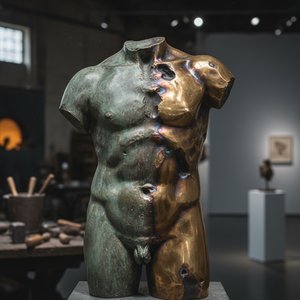
Trvalé dědictví bronzového sochařství: Historie, techniky a současné interpretace
Prozkoumejte historii a techniky bronzového sochařství. Průvodce pro sběratele, investory i milovníky umění. Objevte hodnotu a dědictví bronzu.

10 legendárních bronzových soch, které změnily umění | OriginalUniqueArt
Objevte 10 legendárních bronzových soch od Michelangela, Rodina a dalších mistrů! Ponořte se do historie umění, technik a příběhů za těmito nadčasovými díly. Najděte inspiraci pro váš interiér s OriginalUniqueArt.com – repliky nejvyšší kvality.

The Enduring Legacy of Bronze: History, Technique & Artistic Expression for the Collector
Explore the rich history & enduring appeal of bronze sculpture with expert insights for collectors at OriginalUniqueArt. Learn about casting techniques, iconic artists, and collecting tips.
