
 Náhled v interiéru
 Sdílet
 Sdílet
 Podrobnosti o díle
 Průvodce

 Stáhnout
 Podobné položky
 Rentgenové snímky
 Slideshow
 Otázky a odpovědi
 Statistiky
Several figures drawing sketch

- 29.0 x 43.0 cm


 Zobrazit více
Giclée / Umělecký tisk
Giclée nebo plátěný tisk muzeální kvality s rychlou výrobou a širokou nabídkou povrchových úprav. ( Koupit ručně malovaný obraz Přepnout na digitální obraz)




P118B Kč10

P118H Kč10

P118W Kč10

P438Z Kč10

P508JH Kč12

P508YH Kč12

P805H Kč10

P805Z Kč10

P919BZ Kč10

P919G Kč10

P919XJ Kč10

P959ZH Kč10

P968JZ Kč12

W106C Kč8

W218G Kč10

W218JH Kč8

W218Y Kč10

W307PJ Kč10

W316G Kč10

W316PJ Kč8

W316Y Kč10

W398PJ Kč8

W4111J Kč10

W500HY Kč15

W500JH Kč15

W692G Kč12

W849H Kč8

W940BG Kč15

W953PJ Kč8




Vyberte si z našich přednastavených velikostí, které odpovídají původním proporcím díla.

Zadejte šířku a výšku, které potřebujete pro váš rám nebo stěnu. Tisk lze pouze oříznout, nikdy však nelze zvětšit obraz nad jeho původní rozměr, proto při výběru jiného formátu dochází ke ztrátě části obrazu. Před samotným tiskem vám zašleme digitální náhled k schválení. Obraz zobrazený na této stránce nenabízí skutečný výřez — ten uvidíte pouze v náhledu.
Celosvětové doručení () do 2 týdnů namísto standardních 4/5 týdnů. (6 listopad)

Zdarma celosvětová expresní doprava

Vysoce kvalitní lněné plátno

Kompletní pojištění přepravy

Záruka vrácení celního poplatku

Záruka věrného barevného souladu

100dení lhůta pro vrácení zboží (pouze při vadách výroby)

100% záruka vrácení peněz

Sleva při více objednávkách
 Skleněná varianta je dostupná pouze u rozměrů menších než 110 cm

Several figures drawing sketch
Giclée / Umělecký tisk
Rozměry reprodukce
-


Celková cena za vybrané možnosti reprodukcí
Kč 1767
Otázky a odpovědi
Do kterého uměleckého směru a do jaké éry spadá dílo „Several figures drawing sketch“ od Domingos António De Sequeira?
Dílo "Several figures drawing sketch" patří k období Neoclassicism, jehož tvůrce působil v éře Early Modern.
Jaké emoce vyjadřuje dílo z období Neoclassicism s názvem „Several figures drawing sketch“?
V rámci směru Neoclassicism je dílo „Several figures drawing sketch“ zachyceno v Reflective tónu.
Jak intenzivní jsou barvy v díle „Several figures drawing sketch“ od Domingos António De Sequeira?
Intenzita barev díla „Several figures drawing sketch“ je Vivid. Tato hodnota vyjadřuje, jak výrazné barvy působí.
Biografie umělce
Giovanni Antonio Canal, Known as Canaletto: A Venetian Master of Light and City
Giovanni Antonio Canal, universally known as Canaletto (1697-1768), stands as a pivotal figure in the history of Western art. Born into a family steeped in theatrical design – his father was a scene painter – Canaletto’s artistic journey began not with grand commissions but with humble beginnings assisting his father and brother, crafting backdrops for Venetian opera houses. This early exposure to visual storytelling, combined with an innate observational skill, laid the foundation for his extraordinary career as a *veduta* painter, specializing in meticulously rendered views of Venice and later, London. His legacy rests not just on technical mastery but also on capturing the very essence of urban life – the play of light, the bustle of commerce, and the quiet dignity of everyday existence.
Canaletto’s artistic development was profoundly shaped by his Venetian surroundings. The city itself—a labyrinth of canals, bridges, and palazzi bathed in the unique quality of northern Italian light—provided an inexhaustible source of inspiration. Initially, he produced small-scale paintings for private patrons, intimate studies of architectural details and local scenes – works like “The Stonemason’s Yard” (circa 1727) exemplify this early period. These pieces demonstrate a remarkable attention to detail, a keen understanding of perspective, and an ability to imbue even the most mundane subjects with a sense of atmosphere. However, recognizing the lucrative potential of catering to the burgeoning tourist trade, Canaletto shifted his focus towards larger-scale, more elaborate *vedute* designed for sale to visitors. This shift didn’t represent a decline in quality; rather, it showcased his ability to synthesize observation and artistic skill into commercially successful works.
The Rise of the Workshop and the ‘Formulaic’ Painting
As Canaletto's fame grew, he increasingly relied on a workshop system to meet the demands of a rapidly expanding market. While he remained the principal designer and oversaw the overall composition and color palette, his assistants – notably his nephew Bernardo Bellotto – executed much of the painting process. This collaborative approach allowed Canaletto to produce an astonishing volume of work, documenting Venice’s architectural evolution and capturing its vibrant social life. These later works, often depicting grand ceremonies or public events like “Regatta on the Grand Canal” (1730), are characterized by their polished surfaces, bright colors, and a certain degree of schematic precision. Critics initially questioned the authenticity of these paintings, suggesting that Canaletto was merely a facilitator, relying on his assistants to carry out the actual painting. However, careful examination reveals Canaletto’s meticulous control over the design, color scheme, and overall aesthetic – he wasn't simply delegating; he was orchestrating.
A Journey North: London and Beyond
In 1746, at the invitation of Joseph “Consul” Smith, a wealthy British merchant and art collector, Canaletto embarked on a significant chapter in his career – a decade spent painting in England. This period marked a crucial evolution in his style. He moved beyond purely topographical representations, incorporating elements of *capriccio*, imaginary landscapes that blended real and invented features. His London paintings—including “Eton College” (1746) and views of Warwick Castle and Alnwick Castle – demonstrate a heightened sense of drama and an exploration of compositional possibilities. The English market proved exceptionally receptive to Canaletto’s work, fueled by Smith's astute business acumen and the patronage of King George III. The success in England solidified his reputation as one of Europe’s leading landscape painters.
Legacy and Influence
Canaletto’s impact on art history is undeniable. He elevated *veduta* painting to a new level of sophistication, establishing a standard for accuracy, detail, and atmospheric rendering that influenced generations of artists. His meticulous observation, combined with his artistic sensibility, created images that are not merely representations of reality but evocative glimpses into the soul of cities. Beyond his technical achievements, Canaletto’s work offers a unique window into 18th-century Venice and London—a testament to the enduring appeal of urban landscapes and the power of art to capture the spirit of a place and its people. His legacy continues to inspire artists today, reminding us of the beauty and complexity that can be found in the everyday world.

Domingos António De Sequeira
1768 - 1837 , Portugal
Rychlé informace o umělci
- Full Name: Giovanni Antonio Canal
- Nationality: Italian
- Date Of Birth: 1768
- Date Of Death: 1837
- Place Of Birth: Lisbon, Portugal
- Notable Artworks:
- The Stonemason's Yard
- Regatta on the Grand Canal
- Eton College
- A View of Venice
- Artistic Movement Or Style: Veduta painting
- Artists Who Influenced This Artist:
- Luca Carlevaris
- Bernardo Bellotto
- Artists Or Movements Influenced By This Artist:
- William Marlow
- Samuel Scott
Související články
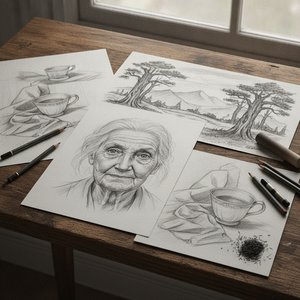
The Timeless Beauty of Pencil Sketches: Mastering the Art of Line, Shadow, and Tonal Depth
Explore the profound elegance of pencil and charcoal sketching. Discover how masters use line, shadow, and chiaroscuro to capture light and texture, bridging the gap between preparatory studies and timeless fine art masterpieces.

Mastering the Line: A Comprehensive Expert Guide to Technical Precision and Expressive Depth in Drawing
Elevate your artistic practice with this expert guide to mastering the line. Discover advanced techniques in graphite, charcoal, and contour drawing designed for art students seeking technical precision and expressive depth in their fine art studies.

Mastering Charcoal: The Definitive Expert Guide to Capturing Profound Depth, Texture, and Shadow
Elevate your artistry with this definitive expert guide to mastering charcoal. Designed for art students, learn professional techniques for capturing profound depth, intricate textures, and dramatic shadows through advanced blending and chiaroscuro methods.
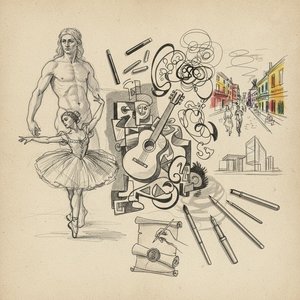
The Eloquent Line: Exploring the Artistic Significance of Sketches Across Movements and Media
Explore the profound artistic significance of sketches throughout history. From Renaissance masters to modern innovators like Van Gogh & Guston, discover how these foundational works reveal technique, emotion, and vision. Learn more at OriginalUniqueArt.
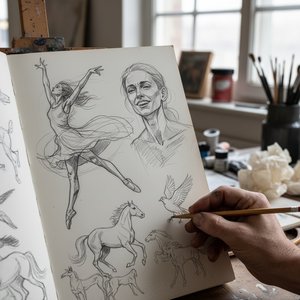
The Art of the Sketch: Capturing Raw Emotion and Movement through the Mastery of Line and Form
Explore the profound beauty of the sketch. Discover how masters use charcoal and graphite to capture raw emotion, anatomical precision, and fluid movement, bridging the gap between ephemeral marks and eternal oil masterpieces.