
 Náhled v interiéru

 Sdílet
 Sdílet
 Podrobnosti o díle
 Průvodce


 Stáhnout
 Podobné položky
 Rentgenové snímky
 Slideshow
 Otázky a odpovědi
 Statistiky
L'ONCTION DE BETHANIE


 Zobrazit více
Giclée / Umělecký tisk
Giclée nebo plátěný tisk muzeální kvality s rychlou výrobou a širokou nabídkou povrchových úprav. ( Koupit ručně malovaný obraz Přepnout na digitální obraz)




P118B Kč10

P118H Kč10

P118W Kč10

P438Z Kč10

P508JH Kč12

P508YH Kč12

P805H Kč10

P805Z Kč10

P919BZ Kč10

P919G Kč10

P919XJ Kč10

P959ZH Kč10

P968JZ Kč12

W106C Kč8

W218G Kč10

W218JH Kč8

W218Y Kč10

W307PJ Kč10

W316G Kč10

W316PJ Kč8

W316Y Kč10

W398PJ Kč8

W4111J Kč10

W500HY Kč15

W500JH Kč15

W692G Kč12

W849H Kč8

W940BG Kč15

W953PJ Kč8




Vyberte si z našich přednastavených velikostí, které odpovídají původním proporcím díla.

Zadejte šířku a výšku, které potřebujete pro váš rám nebo stěnu. Tisk lze pouze oříznout, nikdy však nelze zvětšit obraz nad jeho původní rozměr, proto při výběru jiného formátu dochází ke ztrátě části obrazu. Před samotným tiskem vám zašleme digitální náhled k schválení. Obraz zobrazený na této stránce nenabízí skutečný výřez — ten uvidíte pouze v náhledu.
Celosvětové doručení () do 2 týdnů namísto standardních 4/5 týdnů. (17 listopad)

Zdarma celosvětová expresní doprava

Vysoce kvalitní lněné plátno

Kompletní pojištění přepravy

Záruka vrácení celního poplatku

Záruka věrného barevného souladu

100dení lhůta pro vrácení zboží (pouze při vadách výroby)

100% záruka vrácení peněz

Sleva při více objednávkách
 Skleněná varianta je dostupná pouze u rozměrů menších než 110 cm

L'ONCTION DE BETHANIE
Giclée / Umělecký tisk
Rozměry reprodukce
-


Celková cena za vybrané možnosti reprodukcí
Kč 1758
Identification of L'ONCTION DE BETHANIE
In the quiet intimacy of a house in Bethany, a profound moment unfolds within L'ONCTION DE BETHANIE. The artist, Dirck Barendsz, captures Christ amidst a gathering of figures, frozen in a gesture of deep devotion. A woman leans forward, her hands steady as she pours precious perfume over his head, an act of reverence that fills the space with silent significance. This scene draws its power from the sacred narratives found in the Gospels of John, Mark, and Matthew, capturing a specific, heavy stillness that precedes the betrayal of Judas.
Dirck Barendsz, who lived in Amsterdam from 1534 until 1592, brings a sense of weight to this biblical episode. The composition focuses on the interaction between the divine and the mortal, centered on the liquid being poured and the reactions of those present. Every movement feels deliberate, as if the air itself holds its breath before the coming storm of the crucifixion. The tension of what is to come lingers just beneath the surface of this domestic, yet holy, encounter.
Composition and Visual Elements
The scene unfolds within an intimate interior, drawing the viewer into a quiet, suspended moment of devotion. At the center of this gathering, Christ sits as the focal point, surrounded by a group of figures that create a sense of closeness and shared purpose. A woman leans toward him, her movements deliberate and full of reverence. She holds a vase, tilting it to pour perfume over his head, a gesture that captures the very essence of the biblical narrative. This specific action serves as the emotional anchor of the composition, freezing a moment of profound tenderness before the shadows of the Passion begin to fall.
The arrangement of the figures creates a rhythmic flow, guiding the eye from the pouring vessel toward the faces of those witnessing the act. This work is one of forty modelli prepared for a larger series depicting the Passion of Christ, and its careful structure reflects that larger narrative intent. Every gesture and placement of a hand or a gaze contributes to the solemnity of the room. The spatial depth is defined by the overlapping of bodies and the architectural elements of the setting, which frame the central interaction and pull the viewer into the circle of witnesses.
The visual clarity of the scene is such that it was later translated into print, with Jan I Sadeler engraving the image in reverse to ensure the final print would mirror the original composition. This careful preparation allows the subtle interplay of light and shadow to define the forms of the figures and the textures of their clothing, emphasizing the weight of the moment being witnessed.
Technique and Artistic Materials
The artist works in grisaille, a monochrome approach that strips away the distraction of color to focus entirely on the interplay of light and shadow. Through this method, the scene emerges in subtle shades of grey, beige, and brown, creating a sculptural quality that feels almost tangible. Every contour of the figures and every fold of the heavy drapery is defined by a deliberate, rhythmic application of medium. It is a quiet, focused process that relies on the precision of the hand to build volume from nothingness.
Meticulous line work guides the eye across the paper, where the artist employs hatching and cross-hatching to sculpt form. These fine, intersecting strokes build up density in the shadows and thin out to allow the light to breathe in the highlights. The texture of the skin and the softness of the flowing fabrics are achieved through this painstaking layering of marks. It is a dance of precision, where the pressure of the tool dictates the depth of the shadow and the smoothness of a cheek or a hand.
The medium itself appears to be chalk or charcoal, perhaps utilizing black, white, and brown tones to achieve its tonal range. This choice of material on paper allows for a delicate sensitivity, capturing the nuances of human anatomy with a lifelike presence. The grain of the paper meets the soft smudge of the charcoal, creating a sense of atmosphere that feels both intimate and solemn.
History and Provenance of the Work
The survival of this work is a story of fragments and reunions. It exists today as a solitary piece of a much larger, dispersed ensemble. This collection once comprised forty modelli intended for a series depicting the Passion of Christ, but time and circumstance have scattered the group. In 1759, the work was part of a collection examined by a dedicated scholar, yet many of its companions remain lost to history. While some pieces from the original series find their way into the hands of private collectors or other museums, this specific drawing remains a singular survivor of that vanished whole.
The path to its current home involves several significant transitions through the Parisian art market. The piece was sold at the Hôtel Drouot in Paris on June 9, 1975. Later, in 1981, it was acquired from Victoria Cabanel, an art dealer operating in Paris. This acquisition brought the work into the permanent care of the Musée du Louvre, where it has been preserved for the public to witness its delicate lines and historical weight.
Where to See This Artwork Today
The quiet intensity of this scene awaits discovery within the hallowed halls of the Louvre Museum in Paris, France. Visitors seeking this specific moment of devotion can find it housed in the Richelieu wing. It resides in Salle 808, where the atmosphere invites a closer look at the delicate lines and tonal shifts that define the work.
This piece belongs to the Département des Peintures, a vast collection where it is held under the inventory number RF 1981 22. It remains part of a larger, dispersed ensemble of works that once formed a complete series. While many pieces from the original set are no longer together, this particular drawing remains preserved for those who wander through the museum's galleries.
Otázky a odpovědi
K čemu se doporučuje reprodukce díla „L'ONCTION DE BETHANIE“ od Dirck Barendsz?
Navrhované využití pro „L'ONCTION DE BETHANIE“ od Dirck Barendsz je Accent, ale lze jej využít i k jiným účelům.
Kde mohu najít umělecká díla podobná dílu „L'ONCTION DE BETHANIE“ od Dirck Barendsz?
Podobná díla k "L'ONCTION DE BETHANIE" naleznete na stránce Podobná díla tohoto díla.
Mohu si před koupí prohlédnout „L'ONCTION DE BETHANIE“ od Dirck Barendsz na své vlastní stěně?
Dílo „L'ONCTION DE BETHANIE“ od Dirck Barendsz si můžete prohlédnout přímo na své vlastní stěně díky stránce Náhled v rozšířené realitě s využitím rozšířené reality na kompatibilním zařízení.
Biografie umělce
Antonio Allegri da Correggio: A Pioneer of Illusion and Emotion
Antonio Allegri da Correggio, born in the small town of Correggio in Emilia-Romagna around 1489 and tragically dying there in 1534, remains one of the most enigmatic and profoundly influential figures of the Italian Renaissance. Often simply known as “Correggio,” his name evokes a sense of both mystery and breathtaking artistic achievement. While much about his early life remains shrouded in speculation – he wasn’t a self-taught artist, but rather benefited from an uncle's painting skills and likely received foundational training in Mantua under the tutelage of the great Andrea Mantegna – Correggio quickly transcended his origins to become a revolutionary force in the visual arts. His legacy isn’t defined by meticulously rendered portraits or grand historical narratives; instead, it lies in his audacious manipulation of space, light, and color, creating an intensely emotional and immersive experience for the viewer. He was a master of illusionism, pushing the boundaries of what was considered possible within the confines of fresco painting and laying crucial groundwork for the Baroque era to come.Early Influences and Artistic Development
Correggio’s artistic journey began in his hometown, where he honed his skills under his uncle Lorenzo Allegri. However, it's widely believed that a formative period occurred in Mantua around 1506, where he encountered the profound influence of Andrea Mantegna. The meticulous detail, classical references, and dramatic use of perspective evident in Correggio’s early works – such as the *Adoration of the Child with St. Elizabeth and John* (c. 1505-1508) – clearly demonstrate this debt to his mentor. Following Mantua, he spent time in Modena, absorbing the stylistic elements of Lorenzo Costa and Francesco Francia, artists known for their rich colors and dramatic lighting. This diverse exposure created a unique synthesis within Correggio’s artistic vocabulary. He wasn't simply imitating these masters; he was actively integrating their techniques into his own distinctive style, adding an unprecedented dynamism and sensuality. Crucially, around 1514-1515, he began working on the *Virgin of St Francis* for the church of S. Francesco in Correggio – a painting that showcased his burgeoning understanding of optics and perspective, foreshadowing the revolutionary techniques he would later employ.The Frescoes of Parma: A Revolutionary Approach
Correggio’s most significant achievements unfolded during his decade-long residency in Parma (1520-1534). Here, he was commissioned to decorate three monumental fresco cycles within the city's cathedral and other important buildings – the Camera di San Paolo, the dome of San Giovanni Evangelista, and the dome of the Cathedral itself. These works represent a radical departure from traditional Renaissance painting and established Correggio as a true innovator. The *Vision of St John the Evangelist on Patmos* (1520-1524) in the Camera di San Paolo is particularly noteworthy for its innovative use of grisaille – monochromatic figures painted against a light-colored background – to create an illusion of sculpted relief, mimicking the architectural forms of the lunettes. The dome of San Giovanni Evangelista further explored this concept, depicting heroic figures within a dynamic, almost theatrical space. However, it was the fresco on the dome of Parma Cathedral that cemented Correggio’s reputation as a visionary artist. The *Assumption of the Virgin* (1526-1530) is arguably his masterpiece – an audacious feat of illusionism where the dome transforms into a gateway to heaven, with figures seemingly ascending through a vortex of light and color. Correggio employed techniques like foreshortening—extending lines dramatically into space—to create a sense of overwhelming depth and movement, drawing the viewer directly into the scene. This daring manipulation of perspective was unprecedented in Western art and profoundly influenced generations of artists to come.Mythological Visions and Lasting Influence
Beyond his architectural frescoes, Correggio also produced a series of smaller, intensely emotional paintings – altarpieces, devotional panels, and mythological scenes. Works like *Jupiter and Io* (c. 1528) and *Venus and Cupid with a Satyr* (c. 1523-1525) exemplify his masterful use of color, composition, and psychological insight. These paintings are characterized by their sensuality, dynamism, and dramatic lighting—qualities that would become hallmarks of the Baroque style. His influence extended far beyond his own lifetime. Artists like Giovanni Battista Crespi, Paolo Veronese, and even Michelangelo himself were deeply indebted to Correggio’s innovations in perspective, color theory, and emotional expression. Correggio's pioneering use of foreshortening, dynamic composition, and illusionistic space paved the way for the dramatic intensity and theatricality that would define the Baroque era. His legacy is not simply one of technical mastery but also of a profound shift in the way artists approached representation—a move towards creating immersive experiences that engaged the viewer’s emotions and imagination.A Legacy of Illusion and Emotion
Despite his untimely death at the age of 44, Antonio Allegri da Correggio left an indelible mark on the history of art. His innovative techniques and emotionally charged compositions continue to captivate viewers centuries later. The *Assumption of the Virgin* in Parma remains a testament to his genius—a breathtaking spectacle of illusionism that challenges our perception of space and time. Correggio’s work serves as a powerful reminder of the transformative potential of artistic vision, demonstrating how a single artist can reshape the course of art history through daring experimentation and profound emotional expression.
Dirck Barendsz
1534 - 1592 , Netherlands
Rychlé informace o umělci
- Full Name: Antonio Allegri da Correggio
- Nationality: Italian
- Date Of Birth: 1534
- Date Of Death: 1592
- Place Of Birth: Correggio, Italy
- Notable Artworks:
- Assumption of the Virgin
- Jupiter and Io
- School of Love
- Artistic Movement Or Style: High Renaissance, Mannerism
- Artists Who Influenced This Artist:
- Mantegna
- Leonardo da Vinci
- Costa
- Francia
- Artists Or Movements Influenced By This Artist:
- Baroque
- Rococo
Související články

Top 10 mistrovských děl holandského baroka – obrazy a umělci | OriginalUniqueArt.cz
Objevte 10 ikonických děl holandského baroka! Prozkoumejte příběhy Rembrandta, Vermeera a dalších mistrů. Repliky obrazů nejvyšší kvality pro váš interiér na OriginalUniqueArt.cz – inspirace a umělecké reprodukce online.

Masterpieces of Light: The Top 25 Artworks by Duccio di Buoninsegna
Journey through the divine elegance of Duccio di Buoninsegna. Explore 25 iconic Sienese masterpieces, from the Maestà to the Rucellai Madonna. Find inspiration for museum-quality art reproductions and timeless decor. Discover all masterpieces on OriginalUniqueArt.com.
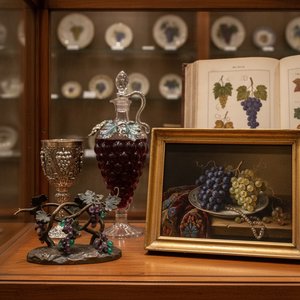
The Art of the Vine: Curating Exquisite Masterpieces Featuring Grapes for the Discerning Collector
Embark on a visual journey through the world's most exquisite grape-themed masterpieces. Discover the technical brilliance of Baroque masters and learn how to curate timeless, hand-painted oil reproductions for your luxury collection with OriginalUniqueArt.com.

25 Must-See Masterpieces at La Biennale di Venezia: A Journey Through Venice's Finest Art
Embark on a visual journey through La Biennale di Venezia. Explore 25 iconic masterpieces, from avant-garde installations to timeless paintings. Find inspiration for museum-quality art reproductions and curated decor. Discover all masterpieces on OriginalUniqueArt.com.

The Soul of Shadows: Mastering Depth, Texture, and Emotional Resonance in the Art of Graphite
Explore the profound artistry of graphite drawing. Discover how masters use chiaroscuro, texture, and light to evoke deep emotion, bridging classical precision with Impressionist soul. A guide for true art lovers seeking technical mastery and historical depth.