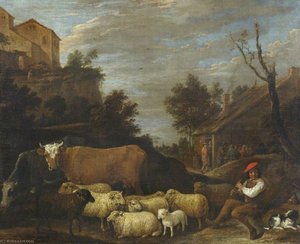
Náhled v interiéru
 Sdílet
 Sdílet
 Podrobnosti o díle
 Průvodce

 Stáhnout
 Podobné položky
 Rentgenové snímky
 Slideshow
 Q&A
Q&A Statistiky
The Surgeon

- 57.0 x 73.0 cm


 Zobrazit více
Giclée / Umělecký tisk
Giclée nebo plátěný tisk muzeální kvality s rychlou výrobou a širokou nabídkou povrchových úprav. ( Koupit ručně malovaný obraz Přepnout na digitální obraz)




P118B Kč10

P118H Kč10

P118W Kč10

P438Z Kč10

P508JH Kč12

P508YH Kč12

P805H Kč10

P805Z Kč10

P919BZ Kč10

P919G Kč10

P919XJ Kč10

P959ZH Kč10

P968JZ Kč12

W106C Kč8

W218G Kč10

W218JH Kč8

W218Y Kč10

W307PJ Kč10

W316G Kč10

W316PJ Kč8

W316Y Kč10

W398PJ Kč8

W4111J Kč10

W500HY Kč15

W500JH Kč15

W692G Kč12

W849H Kč8

W940BG Kč15

W953PJ Kč8




Vyberte si z našich přednastavených velikostí, které odpovídají původním proporcím díla.

Zadejte šířku a výšku, které potřebujete pro váš rám nebo stěnu. Tisk lze pouze oříznout, nikdy však nelze zvětšit obraz nad jeho původní rozměr, proto při výběru jiného formátu dochází ke ztrátě části obrazu. Před samotným tiskem vám zašleme digitální náhled k schválení. Obraz zobrazený na této stránce nenabízí skutečný výřez — ten uvidíte pouze v náhledu.
Celosvětové doručení () do 2 týdnů namísto standardních 4/5 týdnů. (1 listopad)

Zdarma celosvětová expresní doprava

Vysoce kvalitní lněné plátno

Kompletní pojištění přepravy

Záruka vrácení celního poplatku

Záruka věrného barevného souladu

100dení lhůta pro vrácení zboží (pouze při vadách výroby)

100% záruka vrácení peněz

Sleva při více objednávkách
 Skleněná varianta je dostupná pouze u rozměrů menších než 110 cm

The Surgeon
Giclée / Umělecký tisk
Rozměry reprodukce
-


Celková cena za vybrané možnosti reprodukcí
Kč 1738
A Glimpse into a World of Healing and Observation
David Teniers the Younger’s “The Surgeon,” painted around 1670, isn't merely a depiction of a medical scene; it’s a meticulously rendered snapshot of daily life within a bustling apothecary and surgical workshop. The painting immediately draws the eye into a crowded room filled with figures engaged in various activities – a surgeon intently focused on his patient, assistants tending to instruments, and onlookers observing the procedure. This isn't a grand portrait of heroic medicine; instead, it offers an intimate, almost voyeuristic view of the practical realities of medical practice during the Dutch Golden Age. The composition is deliberately dense, reflecting the organized chaos inherent in a working environment where life and death were intimately intertwined.
The scene unfolds within a space defined by earthy tones – browns, ochres, and muted greens dominate the palette, lending an air of realism and groundedness to the portrayal. Subtle touches of red appear in clothing and bandages, providing visual contrast and drawing attention to the act of healing itself. Teniers’ masterful use of hatching and cross-hatching creates a remarkable sense of texture, from the rough wool of garments to the smooth surfaces of porcelain jars filled with medicinal ingredients. The artist skillfully employs light – primarily emanating from a window on the left – to sculpt forms and cast shadows, adding depth and drama to the composition. The limited perspective, while somewhat flattened, effectively guides the viewer’s eye through the crowded room, emphasizing key figures and details.
The Artist's Hand: Technique and Style
“The Surgeon” is a prime example of David Teniers the Younger’s signature style – a blend of meticulous observation and genre painting. He was renowned for his ability to capture the nuances of everyday life, imbuing even mundane scenes with a sense of vitality and interest. The brushwork is visible yet controlled, contributing to the overall realism of the piece. Notice how Teniers renders the folds in clothing, the textures of skin, and the details of surgical instruments – each element meticulously rendered with careful attention to detail. The painting’s foundation lies in oil paints applied to canvas, a technique that allowed for layering and blending, creating rich colors and subtle gradations of tone.
Furthermore, Teniers' work reflects the influence of his mentor, Peter Paul Rubens, particularly in his use of vibrant color and dynamic composition. However, unlike Rubens’ grand historical scenes, Teniers focused on capturing the immediacy of a domestic setting. The painting is not just a record of events; it’s an invitation to step into a world where medicine was practiced within the familiar confines of a workshop, alongside the rhythms of daily life.
Symbolism and Context: A Window into 17th-Century Medicine
Beyond its immediate visual appeal, “The Surgeon” offers a fascinating glimpse into the cultural attitudes surrounding medicine during the 17th century. The presence of anatomical tools, surgical instruments, and even a monkey – often associated with alchemy and medical knowledge – hints at the prevailing fascination with the human body and the pursuit of healing. Skulls are also present, serving as stark reminders of mortality and the fragility of life. These elements collectively evoke a sense of both wonder and apprehension regarding the practice of medicine.
The painting’s historical context is crucial to understanding its significance. During this period, medical knowledge was still evolving, often blending traditional remedies with emerging scientific discoveries. The scene depicted reflects the collaborative nature of medical care, where surgeons relied on assistants and apprentices to aid in their procedures. “The Surgeon” isn't a celebration of surgical prowess; it’s a testament to the shared experience of healing within a community.
A Timeless Masterpiece: Reproduction and Legacy
David Teniers the Younger’s “The Surgeon” remains a captivating work of art, offering a rare glimpse into the world of 17th-century medicine. Reproductions capture the painting's rich detail and evocative atmosphere, making it an ideal addition to any home or office. Its enduring appeal lies in its ability to transport viewers back in time, inviting them to contemplate the complexities of human health, knowledge, and the ever-present pursuit of healing.
Otázky a odpovědi
Jak si mohu prohlédnout „The Surgeon“ od David Teniers Mladší ve formě skluzobránku?
Diaporama díla „The Surgeon“ si můžete prohlédnout na stránce Slideshow.
V jaké technice je vytvořeno dílo „The Surgeon“ od David Teniers Mladší?
„The Surgeon“ je dílo vytvořené v technice Oil On Canvas.
Kde mohu najít statistiky k dílu „The Surgeon“ od David Teniers Mladší?
Statistiky k dílu „The Surgeon“ od David Teniers Mladší naleznete na stránce Statistiky tohoto díla: měsíční návštěvnost díla, návštěvnost děl daného umělce a rozpis nedávných návštěvníků podle zemí a jazyků.
Biografie umělce
Raný život a rodinné zázemí
- Narození: Antverpy, tehde Španělské Nizokozemí, pokřtěn 15. prosince 1610.
- David Teniers Mladší pocházel z rodiny hluboce zakořeněné v umělecké tradici Flandérie. Jeho otec, David Teniers starší, byl rovněž malířem, stejně jako jeho mladší bratři Juliaan, Theodoor a Abraham, kteří také následovali po něm cestu umění.
- Vzdělání: Od roku 1626 studoval pod vedením svého otce, kde získal základní výcvik v malířských technikách a stylech.
- Jeho otec se často potýkal s dluhy a za ně byl i vězněn, proto mladý David vytvářel kopie děl starých mistrů, aby pomohl rodině v obživě.
- Antverpské cechy: V letech 1632–16333 se stal mistrem Antverpského cechu svatého Lukáše a v letech 1644–1645 působil jako jeho děkan.
Umělecký rozvoj a vlivy
- Rané vlivy: Jeho raná tvorba navazovala na drobné kabinetní malby svého otce a skrze něj i na příklady Adama Elsheimera. Do konce 30. let 17. století byly jeho obrazy v tématu, technice, barvě i kompozici velmi blízké dílům Adriena Brouwera.
- Rubensův kruh: V roce 1637 si oženil Annu Brueghel, dceru Jana Brueghela staršího. Peter Paul Rubens, který byl po smrti jejího otce jejím opatrovníkem, byl svědkem při svatbě, čímž Teniersa vnesl do okruhu předních antverpských malířů.
- Specializace na žánr: Teniers se postupně specializoval na žánrové malba – zobrazení každodenního života – a získal slávu díky svým živým scénám z vesnických slavností (kermess), interiérům hostinců a venkovským krajinám.
Hlavní díla a umělecký styl
- Žánrové scény: Jeho nejslavnější díla jsou právě jeho žánrové malby. Ty často zachycují rušné scény ze zemědělského života plné radosti, tance, pití a her.
- Malby kermess: Vesnické slavnosti, jako například Flanderské kermess, jsou ukázkou jeho stylu – zářivých barev, detailních kompozic a bystrého pozorování lidského chování.
- Interiéry hostinců: Jeho scény v hospodách jsou si výjimečné svým realistickým zobrazením každodenního života a živou atmosférou, která tyto prostory naplňuje.
- Mimo vesnici: Maloval také krajiny, scény v strážnicích, alchymisty a lékaře při práci, a taky vtipné singeries, ve kterých opičí bytosti předvádějí lidské záležitosti.
- Galerijní malby: Jeho pohledy na obrazovou galerii arciduke
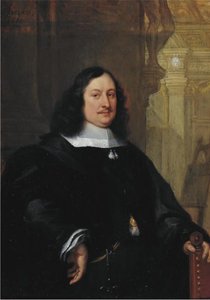
David Teniers Mladší
1610 - 1690 , Belgium
Rychlé informace o umělci
- Date Of Birth: 1610
- Date Of Death: 1690
- Place Of Birth: Antverpy, Belgie
- Place Of Death: Brusel, Belgie
- Birth Date: 1610
- Birth Place: Antverpy, Belgie
- Death Date: 1690
- Influenced By: Adriaen Brouwer, Adam Elsheimer, Peter Paul Rubens
- Movement: Baroko
- Name: David Teniers Mladší
- Nationality: Flandrián
- Notable Works:
- Dva opilci
- Vesnická scéna
- Kuchynská scéna
- Flandriánská kermess
Související články
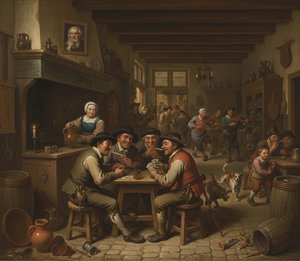
David Teniers II: Master of Flemish Genre & Social Commentary
Explore the captivating world of David Teniers II, a leading Flemish Baroque painter renowned for his lively genre scenes & insightful social commentary. Discover his masterpieces and legacy with OriginalUniqueArt.
Scenes of Daily Life: A Comprehensive Exploration of Genre Painting Through History
Explore the rich history of genre painting! Discover Dutch Masters & European artists who captured everyday life with stunning realism. Learn about symbolism, techniques & lasting influence.
Gerard David: Bridging Late Medieval Tradition with Early Renaissance Humanism
Explore the captivating world of Gerard David, a pivotal figure bridging late medieval artistry with the Early Renaissance. Discover his innovative techniques, religious masterpieces, and enduring legacy – a must-read for discerning art collectors.
David Teniers the Younger: Genre Painting & Social Commentary in Baroque Flanders
Explore the captivating world of David Teniers the Younger, a leading Flemish Baroque painter. Discover his genre scenes, social commentary, and lasting influence on 17th-century art. Learn about his life, techniques & legacy.

Sir David Wilkie: Narrative Detail & the Rise of Victorian Genre Painting
Explore the life & work of Sir David Wilkie, a pivotal figure in Victorian genre painting. Discover his narrative detail, social commentary, and lasting influence on 19th-century British art. Learn more at OriginalUniqueArt.