Přepnout na tisk
 Zobrazit více







































 U děl nebo reprodukcí, u nichž je jakákoliv strana větší než 105 cm (přibližně 41 palců), bude rám dodán jako sestava v rozloženém stavu. Tato metoda zajišťuje bezpečné doručení a chrání dílo před poškozením během přepravy.


A Window into the Soul: David Teniers the Younger’s “The Feast of the Prodigal Son”
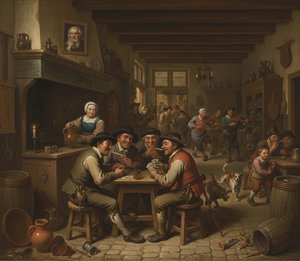
David Teniers the Younger's "The Feast of the Prodigal Son," painted circa 1644-1650, isn’t merely a depiction of a biblical parable; it’s a vibrant tableau brimming with human drama and profound spiritual reflection. This remarkable work, now housed within the Louvre Museum in Paris, offers a captivating glimpse into the bustling world of 17th-century Antwerp – a city renowned for its artistic innovation and mercantile prosperity. More than just a historical record, Teniers masterfully captures a moment of intense emotion, inviting viewers to contemplate themes of repentance, forgiveness, and familial love within a richly detailed and meticulously rendered scene.

A Dutch Golden Age Masterpiece: Style and Technique
Teniers’ style firmly anchors this painting within the flourishing tradition of Dutch Golden Age art. He expertly blends elements of realism with a theatrical flair, characteristic of the period. The composition is deliberately crowded, mirroring the lively atmosphere of a tavern – a common setting for depicting moral tales in Flemish art. Notice the careful attention to detail: the folds of the richly embroidered robes, the textures of the wooden furniture, and the subtle variations in skin tones all contribute to an astonishingly lifelike portrayal. The artist’s technique is characterized by smooth brushstrokes and masterful use of light and shadow, creating a sense of depth and volume that draws the viewer into the scene. The painting employs linear perspective, guiding our eye through the room and towards the central figures.
Symbolism and Narrative Depth
At its heart, “The Feast of the Prodigal Son” is an illustration of Luke 15:11-32 – a powerful parable about forgiveness and redemption. The scene depicts the younger son’s return home after squandering his inheritance on reckless living. He's now sharing a meager meal with two prostitutes, symbols of societal outcasts, highlighting his fallen state. The looming bed in the background is a potent symbol of excess and indulgence, a stark reminder of the son’s past behavior. The older brother, observing from the doorway, embodies righteous judgment and resentment – emotions that resonate deeply within the narrative. The lavish feast itself represents the father's boundless grace and willingness to welcome his wayward child back into the fold.
Historical Context: Antwerp in the 17th Century
To fully appreciate Teniers’ work, it’s crucial to understand the context of 17th-century Antwerp. The city was a major center for trade and art production, attracting artists from across Europe. Teniers benefited greatly from the patronage of wealthy merchants and nobles, as well as the influence of his father, David Teniers the Elder, a renowned painter of altarpieces and portraits. His marriage to Anna Brueghel, daughter of the celebrated Jan Bruegel the Elder, further solidified his position within the artistic community. The painting reflects the era’s fascination with genre scenes – everyday life depicted with remarkable detail and often imbued with moral lessons. It also demonstrates a shift towards more secular subjects, moving beyond purely religious commissions.
Emotional Resonance: A Timeless Tale
“The Feast of the Prodigal Son” transcends its biblical subject matter to offer a universal meditation on human nature – our capacity for both folly and redemption. The painting’s emotional intensity is palpable, capturing the joy of reunion, the sting of resentment, and the overwhelming grace of forgiveness. It's a scene that continues to resonate with viewers centuries later, reminding us of the enduring power of family bonds and the transformative potential of repentance. Whether viewed as a historical artifact or a profound work of art, Teniers’ masterpiece remains a testament to the enduring appeal of this timeless parable.
Otázky a odpovědi
Kdo prodává ručně malované kopie díla „The Prodigal Son“ od David Teniers Mladší?
Ručně malovanou reprodukci díla „The Prodigal Son“ od David Teniers Mladší si můžete objednat přímo na jeho stránce Ručně malovaná reprodukce: ručně malovaná olejová reprodukce na lněném plátně, vyrábíme na zakázku.
Existuje k dílu „The Prodigal Son“ od David Teniers Mladší informační list pro studenty?
Pro dílo „The Prodigal Son“ od David Teniers Mladší je k dispozici stránka Průvodce pro studenty: tiskem připravený informační list o uměleckém díle, navržený pro studenty a použití ve výuce.
Působí barvy díla "The Prodigal Son" výrazně, nebo jemně?
Barvy v díle „The Prodigal Son“ od David Teniers Mladší mají Monochromatic intenzitu.
 Náhled v interiéru
 Sdílet
 Sdílet
 Podrobnosti o díle
 Průvodce

 Stáhnout
 Podobné položky
 Rentgenové snímky
 Slideshow
 Otázky a odpovědi
 Statistiky