Náhled v interiéru
 Sdílet
 Sdílet
 Podrobnosti o díle
 Průvodce

 Stáhnout
 Podobné položky
 Rentgenové snímky
 Slideshow
 Otázky a odpovědi
 Statistiky
Kitchen Scene

- 75.0 x 77.0 cm


 Zobrazit více
Giclée / Umělecký tisk
Giclée nebo plátěný tisk muzeální kvality s rychlou výrobou a širokou nabídkou povrchových úprav. ( Koupit ručně malovaný obraz Přepnout na digitální obraz)




P118B Kč10

P118H Kč10

P118W Kč10

P438Z Kč10

P508JH Kč12

P508YH Kč12

P805H Kč10

P805Z Kč10

P919BZ Kč10

P919G Kč10

P919XJ Kč10

P959ZH Kč10

P968JZ Kč12

W106C Kč8

W218G Kč10

W218JH Kč8

W218Y Kč10

W307PJ Kč10

W316G Kč10

W316PJ Kč8

W316Y Kč10

W398PJ Kč8

W4111J Kč10

W500HY Kč15

W500JH Kč15

W692G Kč12

W849H Kč8

W940BG Kč15

W953PJ Kč8




Vyberte si z našich přednastavených velikostí, které odpovídají původním proporcím díla.

Zadejte šířku a výšku, které potřebujete pro váš rám nebo stěnu. Tisk lze pouze oříznout, nikdy však nelze zvětšit obraz nad jeho původní rozměr, proto při výběru jiného formátu dochází ke ztrátě části obrazu. Před samotným tiskem vám zašleme digitální náhled k schválení. Obraz zobrazený na této stránce nenabízí skutečný výřez — ten uvidíte pouze v náhledu.
Celosvětové doručení () do 2 týdnů namísto standardních 4/5 týdnů. (7 listopad)

Zdarma celosvětová expresní doprava

Vysoce kvalitní lněné plátno

Kompletní pojištění přepravy

Záruka vrácení celního poplatku

Záruka věrného barevného souladu

100dení lhůta pro vrácení zboží (pouze při vadách výroby)

100% záruka vrácení peněz

Sleva při více objednávkách
 Skleněná varianta je dostupná pouze u rozměrů menších než 110 cm

Kitchen Scene
Giclée / Umělecký tisk
Rozměry reprodukce
-


Celková cena za vybrané možnosti reprodukcí
Kč 1763
A Glimpse into Domesticity: David Teniers the Younger’s “Kitchen Scene”
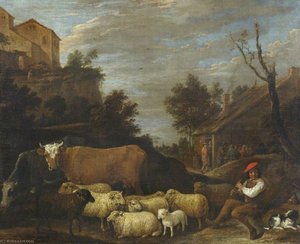
David Teniers the Younger's "Kitchen Scene," painted in 1644, is more than just a depiction of daily life; it’s a meticulously crafted window into the heart of 17th-century Flemish domesticity. Housed within the Mauritshuis museum in The Hague, this oil painting on copper immediately draws the viewer into a bustling scene brimming with activity and quiet intimacy. Teniers wasn't merely recording a snapshot; he was capturing an atmosphere, imbuing the kitchen with a palpable sense of warmth, conversation, and the comforting rhythms of family life.
The artist’s skill lies not just in his technical proficiency – evident in the remarkably detailed rendering of food, utensils, and fabrics – but also in his ability to convey mood. The light, diffused and warm, suggests a late afternoon, casting long shadows across the room and highlighting the rich textures of the wooden table, earthenware bowls, and the woman’s richly colored dress. Notice how he uses subtle variations in tone to create depth, drawing our eye from the central figures towards the background activity – children playing, servants preparing food, and a dog observing the scene with quiet attentiveness.
The Painter's Palette: Technique and Materials
“Kitchen Scene” is a testament to Teniers’ mastery of oil painting on copper. This medium offered him exceptional control over color saturation and layering, allowing for a remarkable level of detail and luminosity. The use of impasto – applying paint thickly – particularly in the depiction of the food and textiles – adds a tactile quality to the image, inviting us to almost reach out and touch the smooth surface of the table or feel the warmth radiating from the hearth (implied but not explicitly shown). The copper itself contributes significantly to the painting’s visual impact; it reflects light beautifully, intensifying colors and creating a sense of vibrancy that is often lost in traditional panel paintings.
Furthermore, Teniers' meticulous attention to detail extends beyond mere representation. He employs a sophisticated understanding of perspective and chiaroscuro – the use of contrasting light and shadow – to create a convincing illusion of space. The figures are rendered with a remarkable degree of realism, their faces conveying a range of emotions—from amusement and conversation to focused concentration. The artist’s ability to capture these subtle nuances is what elevates “Kitchen Scene” beyond a simple genre painting.
A Window into the Golden Age: Context and Symbolism
“Kitchen Scene” firmly places itself within the Dutch Golden Age of art, a period characterized by unprecedented prosperity, artistic innovation, and a burgeoning interest in depicting everyday life. Teniers’ work reflects this shift away from purely religious or mythological subjects towards more secular themes – a trend driven by the rise of the merchant class and their desire to celebrate their newfound wealth and status. The scene itself is rich with symbolism. The abundance of food represents prosperity and hospitality, while the presence of children suggests family values and the continuation of lineage.
The inclusion of a dog, a common feature in domestic scenes of the era, reinforces the theme of companionship and loyalty. Even the hanging bird – a detail often overlooked – could symbolize abundance or good fortune. The painting’s setting, a well-equipped kitchen, speaks to the importance of food preparation and communal meals within 17th-century Flemish society. It's a scene that resonates with universal themes of family, community, and the simple pleasures of life.
Collecting the Essence: Reproduction and Legacy
Reproductions of “Kitchen Scene” offer an accessible way to experience the artistry and charm of this remarkable painting. Whether displayed in a grand salon or a cozy corner, it serves as a captivating reminder of a bygone era. The meticulous detail and evocative atmosphere captured by Teniers continue to resonate with viewers today, offering a glimpse into the lives and values of those who came before us.
For art enthusiasts seeking a deeper understanding of this masterpiece, we encourage you to explore the resources linked below: The Mauritshuis museum’s collection provides invaluable insights into the painting's history and context. Furthermore, examining related works by David Teniers the Younger – such as “An Old Peasant caresses a Kitchen Maid in a Stable” – reveals his distinctive style and thematic preoccupations.
Otázky a odpovědi
Kde si mohu stáhnout obrázek díla „Kitchen Scene“ od David Teniers Mladší?
Pro dílo „Kitchen Scene“ je k dispozici stažení: na stránce Stažení digitální verze si můžete pořídit stažení digitálního obrazu ve vysokém rozlišení.
Kdo vytvořil "Kitchen Scene"?
Dílo "Kitchen Scene" se připisuje autorovi David Teniers Mladší.
Nachází se dílo „Kitchen Scene“ od David Teniers Mladší v zemi původu umělce?
Ne – dílo se nachází v zahraničí. Rodimá země David Teniers Mladší je Belgium, zatímco muzeum, které uchovává originál díla „Kitchen Scene“, se nachází v zemi Nizozemsko.
Biografie umělce
Raný život a rodinné zázemí
- Narození: Antverpy, tehde Španělské Nizokozemí, pokřtěn 15. prosince 1610.
- David Teniers Mladší pocházel z rodiny hluboce zakořeněné v umělecké tradici Flandérie. Jeho otec, David Teniers starší, byl rovněž malířem, stejně jako jeho mladší bratři Juliaan, Theodoor a Abraham, kteří také následovali po něm cestu umění.
- Vzdělání: Od roku 1626 studoval pod vedením svého otce, kde získal základní výcvik v malířských technikách a stylech.
- Jeho otec se často potýkal s dluhy a za ně byl i vězněn, proto mladý David vytvářel kopie děl starých mistrů, aby pomohl rodině v obživě.
- Antverpské cechy: V letech 1632–16333 se stal mistrem Antverpského cechu svatého Lukáše a v letech 1644–1645 působil jako jeho děkan.
Umělecký rozvoj a vlivy
- Rané vlivy: Jeho raná tvorba navazovala na drobné kabinetní malby svého otce a skrze něj i na příklady Adama Elsheimera. Do konce 30. let 17. století byly jeho obrazy v tématu, technice, barvě i kompozici velmi blízké dílům Adriena Brouwera.
- Rubensův kruh: V roce 1637 si oženil Annu Brueghel, dceru Jana Brueghela staršího. Peter Paul Rubens, který byl po smrti jejího otce jejím opatrovníkem, byl svědkem při svatbě, čímž Teniersa vnesl do okruhu předních antverpských malířů.
- Specializace na žánr: Teniers se postupně specializoval na žánrové malba – zobrazení každodenního života – a získal slávu díky svým živým scénám z vesnických slavností (kermess), interiérům hostinců a venkovským krajinám.
Hlavní díla a umělecký styl
- Žánrové scény: Jeho nejslavnější díla jsou právě jeho žánrové malby. Ty často zachycují rušné scény ze zemědělského života plné radosti, tance, pití a her.
- Malby kermess: Vesnické slavnosti, jako například Flanderské kermess, jsou ukázkou jeho stylu – zářivých barev, detailních kompozic a bystrého pozorování lidského chování.
- Interiéry hostinců: Jeho scény v hospodách jsou si výjimečné svým realistickým zobrazením každodenního života a živou atmosférou, která tyto prostory naplňuje.
- Mimo vesnici: Maloval také krajiny, scény v strážnicích, alchymisty a lékaře při práci, a taky vtipné singeries, ve kterých opičí bytosti předvádějí lidské záležitosti.
- Galerijní malby: Jeho pohledy na obrazovou galerii arciduke
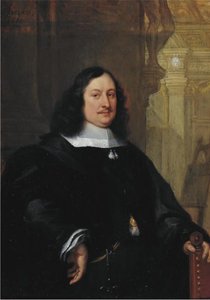
David Teniers Mladší
1610 - 1690 , Belgium
Rychlé informace o umělci
- Date Of Birth: 1610
- Date Of Death: 1690
- Place Of Birth: Antverpy, Belgie
- Place Of Death: Brusel, Belgie
- Birth Date: 1610
- Birth Place: Antverpy, Belgie
- Death Date: 1690
- Influenced By: Adriaen Brouwer, Adam Elsheimer, Peter Paul Rubens
- Movement: Baroko
- Name: David Teniers Mladší
- Nationality: Flandrián
- Notable Works:
- Dva opilci
- Vesnická scéna
- Kuchynská scéna
- Flandriánská kermess
Související články

Golden Age Reflections: Dutch Baroque Painting & Cultural Innovation
Explore the Dutch Golden Age of painting! Discover key artists like Vermeer & ter Borch, their innovative techniques, and the rich cultural context behind these Baroque masterpieces. Learn about collecting & appreciating this iconic art period.

Golden Light & Dutch Skies: The Timeless Magic of Dutch Golden Age Landscapes
Discover the breathtaking beauty of Dutch Golden Age landscapes. Explore the mastery of light, chiaroscuro, and 17th-century realism through an expert art history lens, celebrating the enduring legacy of the Dutch Masters for discerning collectors and art lovers.

Zlatý věk nizozemského malířství: 10 mistrovských děl pro váš domov | OriginalUniqueArt.com
Prozkoumejte 10 ikonických děl nizozemského zlatého věku – Rembrandt, Vermeer a další mistři. Objevte příběhy za obrazy, techniky a inspiraci pro váš interiér s reprodukcemi nejvyšší kvality na OriginalUniqueArt.com.

Mastering Light & Shadow: A Journey Through the Dutch Golden Age's Luminous Legacy
Embark on a cultural journey through the Dutch Golden Age. Explore the masterful interplay of light and shadow in 17th-century masterpieces, from Rembrandt to Vermeer, and discover how this era of profound realism continues to inspire fine art collectors today.

Illuminating Innovation: Exploring the Dutch Golden Age of Painting
Explore the Dutch Golden Age of painting with OriginalUniqueArt. Discover Rembrandt, Vermeer & other Masters. Learn about key characteristics, iconic artworks, and lasting influence. Expert insights for collectors & enthusiasts.