
 Sdílet
 Sdílet
 Podrobnosti o díle
 Průvodce

 Stáhnout
 Podobné položky
 Slideshow
 Otázky a odpovědi
 Statistiky
David Bailey Self-Portrait


 Zobrazit více
Získejte soubor připravený k tisku, který svou kvalitou výrazně převyšuje webový náhled. Každý prodávaný digitální obraz pochází z vysokorozlišeného originálu v naší databázi – obvykle o šířce 5 000 až 15 000 pixelů – díky čemuž můžete tisknout ve velkém formátu, provádět těsný střih nebo si s jistotou užít i ty nejjemnější detaily.
Žádný soubor neopustí naše studio bez úprav. Digitální expert kontroluje barvy v porovnání s původním malířským dílem a v případě potřeby je upravuje, poté pomocí profesionálních nástrojů pro retuš zvyšuje ostrost a detailnost — přičemž vždy zůstává věrný tahům štětcem a stylu umělce. Výsledkem je obraz, který vypadá jako malba, nikoliv jako naskenovaný snímek s filtrem.
Schvalování před dokončením: náš expert vám do 72 hodin zašle obraz e-mailem k revizi. Nejsste spokojeni? Můžete požádat o úpravy či opravy, nebo si můžete vyžádat vrácení peněz, pokud kvalita neodpovídá vašim očekáváním.
Tuto kvalitu využívají vydavatelství, designová studia, galerie i tiskárny.
Digitální obrazy
Stáhněte si soubor ve vysokém rozlišení pro osobní prohlížení, tisk nebo kreativní projekty. ( Přepnout na tisk Koupit ručně malovaný obraz)
Součást každé objednávky digitálního obrazu
Profesionální digitální doručení, zaručené
Když si vyberete OriginalUniqueArt.com, nezískáváte pouze obrázek – získáváte digitální umělecké dílo s profesionálně vylepšenými detaily, zpracované s precizností a podpořené zárukou za spokojenost. Zde je vše, co vaše objednávka automaticky obsahuje:

Rychlé doručení e-mailem
Váš digitální obraz ve vysokém rozlišení vám bude zaslán e-mailem do 72 hodin od objednávky – připraven k okamžitému použití.

Digitální soubor s využitím AI
Vaše umělecké dílo je profesionálně optimalizováno pomocí pokročilých nástrojů umělé inteligence a manuální úpravy, což zajišťuje maximální úroveň detailu, ostrosti a přesnosti barev.

Doživotní bezplatné znovuodeslání digitálních obrazů
Soubor jste omylem smazali nebo ztratili? Žádný problém – kdykoliv vám ho znovu zašleme zcela zdarma.

Bez poplatků za dovoz – navždy
Užijte si své umělecké dílo okamžitě bez celních poplatků, daní nebo nákladů na dopravu – digitální stažení je vždy bez daňových povinností.

Záruka přesnosti barev
Díky profesionálním nástrojům a správě barev zajišťujeme, aby váš digitální obraz odrážel původní barvy co nejvěrněji.

100dená záruka spokojenosti
Pokud nebudete s digitálním obrázkem spokojeni, provedeme jeho revizi nebo vám vrátíme 100% platby do 100 dnů – bez jakýchkoliv dotazů.

100% záruka vrácení peněz
Nespokojeni? Získejte plnou náhradu peněz do 100 dnů od obdržení digitálního souboru – bez zbytečných dotazů.

Slevy při hromadných objednávkách
Koupě 3 obrazů ušetří 10% – Koupě 5 obrazů ušetří 15% – Koupě 10+ obrazů ušetří 20%. Ideální pro kreativní projekty, galerie a agentury.
The Intimacy of the Lens: A Glimpse into Bailey’s Inner World
In the vast canon of 20th-century photography, few images possess the raw, unvarnished vulnerability found in David Bailey’s Self-Portrait. Captured in 1957, long before he became the definitive eye of the "Swinging London" era, this black and white photograph serves as a profound psychological window into the artist himself. The composition is strikingly intimate, presenting a young Bailey seated upon a bed, propped against pillows in what feels like a private, unguarded moment of repose. There is no artifice here; no polished studio lighting or elaborate backdrops to shield the subject from the viewer's gaze. Instead, we are met with a stark, grainy texture that lends the image an almost tactile quality, pulling the observer into the quiet, cluttered sanctuary of his bedroom.
The photograph’s power lies in its directness. Bailey stares straight into the lens, his expression a complex tapestry of seriousness and a subtle, haunting melancholy. This piercing eye contact establishes an immediate emotional bridge between the subject and the spectator, demanding a level of engagement that is rare in portraiture. The surrounding environment—a dresser, a wooden cabinet, a stray hat hanging on a rack—adds a layer of documentary realism, suggesting a life in progress, caught in a moment of stillness amidst the inevitable movement of youth.
Technique and the Aesthetic of Authenticity
From a technical perspective, the self-portrait is a masterclass in the use of monochromatic depth. The reliance on black and white film allows the artist to strip away the distractions of color, focusing instead on the interplay of light, shadow, and form. The lighting appears natural and diffused, casting soft shadows that sculpt Bailey’s features and provide a sense of three-dimensional weight to his physique. This use of light creates a rhythmic contrast between the organic curves of the human body and the rigid, geometric lines of the furniture in the background.
The graininess of the film is not merely a byproduct of the era's technology but functions as an essential aesthetic element. It imbues the print with a sense of grit and immediacy, characteristic of the mid-century documentary style. This texture works in harmony with the varied surfaces within the frame—the smoothness of skin, the heavy weave of a blanket, and the weathered wood of the cabinetry—to create a rich, sensory experience. For the collector or interior designer, this piece offers a sophisticated textural element that brings a sense of historical weight and "soul" to any curated space.
A Legacy of Identity and Vision
Beyond its visual merits, the self-portrait is heavy with symbolism. It represents the foundational moment of an artist discovering his own identity through the medium of light. By stripping himself bare—both physically and emotionally—Bailey explores themes of vulnerability and introspection that would later define his ability to capture the true essence of the world's most iconic celebrities. This image is a precursor to the "Black Trinity" revolution, embodying the same spirit of spontaneity and truth that would soon transform the fashion industry.
For those seeking to adorn a space with art that tells a story, this reproduction offers more than just decoration; it offers a conversation piece rooted in photographic history. It is an invitation to contemplate the quiet moments that precede greatness. Whether placed in a modern minimalist gallery or a classic study, Bailey’s self-portrait remains a timeless testament to the power of the honest gaze, making it an invaluable acquisition for any serious lover of fine art photography.
Otázky a odpovědi
Jakou náladu a emoce v sobě spojuje dílo "David Bailey Self-Portrait"?
V díle "David Bailey Self-Portrait" doprovází Elegant náladu Melancholic emoce.
Jak je utkaná barevná kompozice díla „David Bailey Self-Portrait“ od David Royston Bailey?
Barevná analýza díla „David Bailey Self-Portrait“ od David Royston Bailey zachycuje Statement kontrast a Strong Color Unity harmonii.
Kde by měla být zavěšena reprodukce díla „David Bailey Self-Portrait“ od David Royston Bailey?
Dílo v Square formátu, reprodukce díla „David Bailey Self-Portrait“, se doporučuje do Living Room.
Biografie umělce
David Royston Bailey: Capturing the Pulse of a Generation
David Royston Bailey, born in London in 1938, isn’t merely a photographer; he's a chronicler of an era. Often referred to as David Bailey or simply “Bailey,” his work transcends simple documentation, offering instead a vibrant and often provocative glimpse into the heart of the Swinging Sixties – a period defined by youthful exuberance, social upheaval, and a burgeoning cultural revolution. His early career with Vogue magazine established him as a pivotal figure in shaping the visual language of fashion and celebrity culture, while his subsequent work continues to resonate with its raw energy and undeniable style.
Bailey’s rise began amidst the post-war optimism of London, a city rapidly transforming under the influence of new music, art, and social movements. Unlike many of his contemporaries who favored polished studio settings, Bailey embraced spontaneity and immediacy. He famously eschewed elaborate backdrops, often utilizing stark white walls or simply the urban landscape as a backdrop for his subjects. This approach, coupled with his signature cropped perspectives and direct eye contact, created portraits that felt remarkably intimate and authentic – capturing not just appearances but also the personalities of those he photographed. His early collaborations with Jean Shrimpton, particularly the iconic “Jump” photograph, cemented his reputation for capturing a sense of movement and dynamism rarely seen in portraiture at the time.
The Swinging Sixties: A Visual Revolution
Bailey’s work during the 1960s is inextricably linked to the cultural phenomenon known as the ‘Swinging Sixties.’ He documented the rise of British pop music, the emergence of a new youth culture, and the changing social landscape with an unparalleled eye. His photographs of The Beatles – particularly their early, raw energy – became synonymous with the decade’s rebellious spirit. Beyond music, Bailey captured the glamour and intrigue of celebrities like Mick Jagger, showcasing their charisma and confidence in a way that redefined celebrity photography. He wasn't just taking pictures; he was actively participating in shaping the image of London as a global center for fashion and culture.
His influence extended beyond individual portraits. Bailey’s innovative use of location shooting – capturing models in unexpected places like telephone boxes or on bustling city streets – challenged traditional notions of fashion photography. He collaborated with *Ritz Newspaper*, pioneering the paparazzi style, which would later become a cornerstone of glossy magazines. This shift reflected a broader cultural change—a desire to capture candid moments and break down the barriers between celebrity and everyday life.
Technique and Style: A Distinctive Vision
Bailey’s photographic style is instantly recognizable. His use of black and white photography, often with starkly contrasting tones, creates a powerful visual impact. The cropped perspectives, frequently emphasizing the subjects' eyes and creating a sense of intimacy, are hallmarks of his work. He was a master of capturing fleeting moments – a glance, a gesture, a smile – that conveyed volumes about his subjects’ personalities. Bailey’s approach wasn’t simply about technical skill; it was about an intuitive understanding of how to capture the essence of a person or scene.
He famously stated that he didn't want to make models look like "stuffed shop mannequins." Instead, he sought to reveal their individuality and personality. This philosophy is evident in his portraits of figures like Kate Moss, who embodies a similar spirit of effortless cool and understated confidence. Bailey’s influence on subsequent generations of photographers is undeniable; his techniques and aesthetic continue to be studied and emulated today.
Beyond the Sixties: A Continuing Legacy
While his work during the 1960s remains his most celebrated period, Bailey's career has spanned decades. He’s continued to photograph a diverse range of subjects – from fashion icons to political figures – always maintaining his distinctive style and approach. His documentary film *Warhol by Bailey* (1973), exploring Andy Warhol’s creative process, demonstrated his versatility as a filmmaker and further cemented his reputation for challenging conventions.
Bailey's legacy extends beyond the realm of photography. He played a significant role in shaping London’s image during a transformative era, capturing its energy, dynamism, and cultural vibrancy. His photographs are not merely images; they are windows into a pivotal moment in history – a testament to his artistic vision and enduring influence.
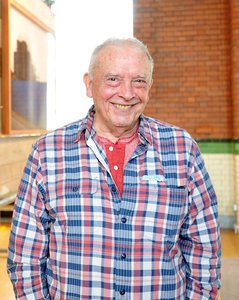
David Royston Bailey
1938 - , United Kingdom
Stručné informace
- Full Name: David Royston Bailey
- Nationality: British
- Date Of Birth: 1938
- Place Of Birth: London, United Kingdom
- Notable Artworks:
- Jean Shrimpton, New York
- The Beatles
- Mick Jagger
- Artistic Movement Or Style: Fashion photography, Portraiture
- Artists Who Influenced This Artist:
- Richard Avedon
- Cecil Beaton
- Artists Or Movements Influenced By This Artist:
- Pop Art
- Swinging Sixties