

 Zobrazit v interiéru
 Odeslat
 Sdílet
 Podrobnosti
 Průvodce

 Stáhnout obrázek
 Podobné kousky
 Rentgenové snímky
 Slideshow
 Statistiky
Cuenca
 Oil On Canvas
- WallArt
- Cubist Landscape
 1934
1934- Modern
 32.0 x 40.0 cm
 Walker Art Gallery
 Přečíst si více
Umělecké dílo zobrazené na této stránce je chráněno autorským zákonem, což znamená, že nemůžeme legálně vytvářet ani prodávat jeho identickou reprodukci. Tato ochrana je vymáhána na základě mezinárodních dohod, jako například Berberská úmluva a národními zákony, včetně těch stanovených v Americký autorský zákon – Díl 17. Všechna práva vyhrazena.
Tato metoda je plně v souladu s autorským právem, protože nezahrnuje kopírování ani duplikování chráněného díla. Jde o kreativní reinterpretaci – nový obraz, který je inspirován originálem, ale není s ním identický.
Giclée / Umělecký tisk
Giclée nebo plátěný tisk muzeální kvality s rychlou výrobou a širokou nabídkou povrchových úprav. ( Objednat ručně malovanou reprodukci Přepnout na digitální verzi obrazu)




P118B Kč10

P118H Kč10

P118W Kč10

P438Z Kč10

P508JH Kč12

P508YH Kč12

P805H Kč10

P805Z Kč10

P919BZ Kč10

P919G Kč10

P919XJ Kč10

P959ZH Kč10

P968JZ Kč12

W106C Kč8

W218G Kč10

W218JH Kč8

W218Y Kč10

W307PJ Kč10

W316G Kč10

W316PJ Kč8

W316Y Kč10

W398PJ Kč8

W4111J Kč10

W500HY Kč15

W500JH Kč15

W692G Kč12

W849H Kč8

W940BG Kč15

W953PJ Kč8




Vyberte si z našich přednastavených velikostí, které odpovídají původním proporcím díla.

Zadejte šířku a výšku, které potřebujete pro váš rám nebo stěnu. Tisk lze pouze oříznout, nikdy však nelze zvětšit obraz nad jeho původní rozměr, proto při výběru jiného formátu dochází ke ztrátě části obrazu. Před samotným tiskem vám zašleme digitální náhled k schválení. Obraz zobrazený na této stránce nenabízí skutečný výřez — ten uvidíte pouze v náhledu.
Celosvětové doručení () do 2 týdnů namísto standardních 4/5 týdnů. (18 říjen)

Zdarma celosvětová expresní doprava

Vysoce kvalitní lněné plátno

Úplné pojištění přepravy

Záruka vrácení celního poplatku

Záruka věrného barevného shodu

100dení lhůta pro vrácení zboží (pouze při vadách výroby)

100% garance vrácení peněz

Sleva při více objednávkách
 Skleněná varianta je dostupná pouze u rozměrů menších než 110 cm

Cuenca
Giclée / Umělecký tisk
Velikost reprodukce
-


Celková cena
Kč 1696
A Mountain Reverie: The Soul of Cuenca
In his 1934 masterpiece, Cuenca, David Bomberg invites the viewer into a profound meditation on solitude and the enduring resilience of life amidst the overwhelming grandeur of nature. This oil on canvas transcends a mere topographical record of a Spanish hillside; it is an evocative window into a landscape where human presence and geological majesty exist in a delicate, poetic tension. The painting captures a panoramic view of a town nestled precariously yet harmoniously upon a rugged slope, where humble dwellings are scattered like quiet thoughts across the vast, undulating terrain. Through his masterful command of the medium, Bomberg distills the essence of this mountainous vista, offering an experience that is as much about emotional depth as it is about visual splendor.
The composition is anchored by a sense of monumental scale, with towering mountains dominating the horizon and creating a backdrop of immense power. In the foreground, trees punctuate the view, providing essential textural contrast and guiding the eye into the expansive scene. The sky, draped in soft, cloudy layers, lends an atmospheric weight to the work, suggesting the shifting moods of a mountain climate. This deliberate framing creates a captivating dialogue between the intimacy of the human settlement and the infinite scale of the natural world, fostering a contemplative space where themes of permanence and vulnerability intertwine.
Technique and the Language of Form
Rooted in the transformative principles of Modernism, Cuenca showcases Bomberg’s sophisticated engagement with the legacies of Cubism and the structural insights of Cézanne. The artist employs a technique that prioritizes geometric simplification and multiple perspectives to sculpt spatial depth within the landscape. Rather than relying on rigid outlines, he utilizes loose, expressive brushstrokes that capture the very dynamism of the mountain air, imbuing the scene with a palpable sense of movement and life. This fluid application of paint allows the forms of the mountains and buildings to emerge organically from the canvas.
The color palette is masterfully restrained, leaning toward muted, earthy tones—predominantly rich browns and deep greens—that reflect the subdued, soulful hues characteristic of an autumnal landscape. Bomberg’s skillful use of tonal gradations allows him to define mass and volume, creating a sense of "the artist's consciousness of mass." This approach ensures that every element, from the smallest stone structure to the most distant peak, possesses a physical presence that feels both grounded and ethereal. For the discerning collector or interior designer, this work offers a sophisticated interplay of texture and tone, making it a timeless addition to any curated space.
Historical Resonance and Emotional Impact
To understand Cuenca is to understand a pivotal moment in Bomberg’s artistic evolution. Created during a period when the artist was moving away from the radical, fractured geometries of his earlier Cubo-Futurist years, this work represents a return to an aesthetic rooted in nature and organic form. The trauma of the First World War and the subsequent shift toward a more figurative, landscape-driven style are palpable here; there is a search for the sublime within the natural world that replaces the mechanical fervor of his youth. The painting reflects a period of profound transition, where the artist sought to realize the poetry found in mankind's contemplation of nature.
The emotional impact of the piece lies in its ability to evoke a sense of quiet awe. It is a work that speaks to the heart of anyone moved by the beauty of the untamed world and the quiet strength of those who inhabit it. Whether viewed as a study of light and shadow or as a symbolic representation of human endurance, Cuenca remains a visually arresting composition. For those seeking to bring a sense of historical depth and tranquil majesty into their surroundings, this reproduction serves as a powerful testament to Bomberg’s ability to capture the very breath of the landscape.
Otázky a odpovědi
Z jakého materiálu je vyrobeno dílo "Cuenca"?
Technikou díla „Cuenca“ od David Bomberg je Oil On Canvas. Reprodukce mají za cíl věrně zachytit vzhled této techniky.
Mohu si prohlédnout dílo „Cuenca“ od David Bomberg pod jiným osvětlením?
X-ray pohled na dílo „Cuenca“ od David Bomberg naleznete na stránce Rentgenové snímky tohoto uměleckého díla: jde o interaktivní prohlídku obrazu skrze jedenáct optických vrstev.
Je David Bomberg, tvůrce díla „Cuenca“, známý pod dalšími jmény?
David Bomberg je známý/á také pod jmény David Garshen Bomberg.
Biografie umělce
Raný život a umělecké vzdělání
- Narozen: Birmingham, Spojené království (5. prosince 1890)
- Zemřel: Londýn, Spojené království (19. srpna 1957)
- Patřil mezi „Whitechapel Boys“ – skupinu umělců z East Endu, kteří se objevili na začátku 20. století.
David Bomberg se narodil v Birminghamu v polsko-židovské imigrantské rodině Abrahama a Rebeky Bombergové. Svou cestu k umění začal studiem na City and Guilds Technical Art School, než proškoloval jako litograf v Birminghamu.
Pod vedením Waltera Sickerta na Westminster School of Art (1908–1910) nasávl hluboký vliv Sickertova zaměření na formu a městský život. Klíčovým momentem byla jeho konfrontace s dílem Paula Cézanna prostřednictvím výstavy Rogera Frye „Manet a postimpresionisté“ v roce 1910. Následně navštívil Slade School of Art (1911), kde získal prestižní Tonks Prize za svůj portrét spolužáka Isaaca Rosenberga.
Éra avantgardy: Kubismus, futurismus a kontroverze
- Na Slade School of Art byl Bomberg součástí pozoruhodné generace, která zahrnovala jména jako Mark Gertler, Stanley Spencer, C.R.W. Nevinson a Dora Carrington.
- Jeho tvorbu formovaly londýnské výstavy italských futuristů z roku 1912 a Fryova druhá postimpresionistická výstava (představující Picassa, Matisse, fauvisty či Wyndhame Lewise).
- Vyvinul si nezaměnitelný styl kombinující kubismus a futurismus – charakteristický geometrickými kompozicemi, omezenou paletou barev, úsečnými postavami a mřížkovými strukturami.
- Jeho radikální přístup byl v roce 1913 natolik odvážný, že mu vedl k vyloučení ze Slade School of Art, neboť jeho metody byly pro tehdejší konvenční instituci považovány za příliš troufalé.
- Krátce byl spojen s Omega Workshops skupiny Bloomsbury a vystavoval s Camden Town Group. Přestože vykazoval s afinitou k vorticistickému hnutí Wyndhame Lewise, zůstal umělecky nezávislý a odmítl plnou účast v jeho rámci.
Od války k krajině: Změna stylu
Zkušenosti z fronty jako prostý voják během první světové války hluboce zasáhly do jeho umělecké vize a vedly k postupnému odklonu od abstrakce.
V 20. letech se Bomberg začal věnovat figurativnějšímu stylu, zaměřenému na portréty a krajiny čerpané přímo z přírody. Rozvinul si stále více expresivní techniku, která byla definována bohatou texturou impasta a silnou emocionální intenzitou.
Rozsáhlé cesty středním východem (zejména přes Palestinu) a Evropou zásadně ovlivnily jeho pozdější dílo. Jeho zachycení Jeruzaléma patří k jeho nejvýznamnějším přínosům.
Pozdní roky a odkaz
- V letech 1945 až 1953 působil jako pedagog na Borough Polytechnic (nyní London South Bank University), kde ovlivnil celou generaci umělců, včetně Franka Auerbacha, Leona Kossoffe, Philipa Holmese, Cliffa Holdena, Edny Mannové, Dorothy Meadové, Gustava Metzgera, Dennise Creffielda, Cecila Baileye a Milese Richmonda.
- Byl ženatý s malířkou krajiny Lillian Holt.
- Navzdory obdobím relativního zapomnění za svého života si Bombergovo dílo v posledních desetiletích získalo rostoucí uznání jako významný příspěvek k britskému modernímu umění.
- Na jeho počest byla na London South Bank University pojmenována budova David Bomberg House.
- Jeho odkaz spočívá v unikátní syntéze evropských avantgardních hnutí a pozdějším rozvoji mocného, expresivního krajinného stylu, který dokázal zachytit samotnou podstatu místa a lidské zkušenosti.

David Bomberg
1890 - 1957 , Spojené království
Rychlé informace
- Artistic Movement Or Style:
- Kubismus
- Futurismus
- Expresionismus
- Artists Or Movements Influenced By This Artist:
- Frank Auerbach
- Leon Kossoff
- Artists Who Influenced This Artist:
- Paul Cézanne
- Walter Sickert
- Wyndham Lewis
- Date Of Birth: 5. prosince 1890
- Date Of Death: 19. srpna 1957
- Full Name: David Garshen Bomberg
- Nationality: Britská
- Notable Artworks:
- Autoportrét (1937)
- Kitty, umělkyněna sestřička (1929)
- Studie k malbě
- Jeruzalém
- Place Of Birth: Birmingham, Spojené království
Související články

David Cox the Elder: Landscape, Light & the Romantic Vision of Rural England
Explore the captivating landscapes of David Cox the Elder, a pivotal figure in British Romanticism. Discover his masterful watercolour techniques, enduring legacy & find timeless art for your home at OriginalUniqueArt.

Evocations of Place: A Historical Journey Through Landscape Art
Explore the rich history of landscape art with OriginalUniqueArt. Discover renowned artists, movements like Impressionism & Romanticism, and expert guidance for collecting timeless pieces. Find your perfect serene escape today!

John Constable: 25 mistrovských děl krajinářské poezie | OriginalUniqueArt.com
Prozkoumejte 25 ikonických děl Johna Constabla, mistra anglického krajinářství a romantismu. Obdivujte jeho olejomalby, plátna s venkovskou atmosférou a inspirujte se pro dekoraci interiéru. Reprodukce obrazů nejvyšší kvality na OriginalUniqueArt.com
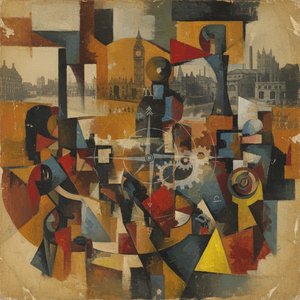
David Bomberg: Reassessing the Pioneering Spirit of Early British Abstraction
Explore the groundbreaking work of David Bomberg, a pivotal figure in British abstraction. Discover his artistic evolution, influences, and lasting legacy through insightful analysis & expert commentary.

Romantická krajina v malbě: 10 mistrovských děl, které definovaly umělecký proud | OriginalUniqueArt
Prozkoumejte 10 ikonických děl romantické krajinářské malby! Objevte příběhy Caspara Davida Friedricha, Turnera a dalších mistrů. Reprodukce obrazů nejvyšší kvality pro váš interiér na OriginalUniqueArt.com.


