Zobrazit v interiéru
 Odeslat
 Sdílet
 Podrobnosti
 Průvodce

 Stáhnout obrázek
 Podobné kousky
 Rentgenové snímky
 Slideshow
 Statistiky
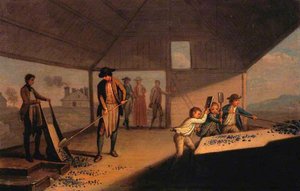
Lead Processing at Leadhills Weighing the Lead Bars


 Přečíst si více
Ručně malovaná olejová reprodukce
Ručně malované olejné plátno v libovolném rozměru i s rámem, vyrobené našimi umělci na zakázku. ( Přepnout na tiskové verze Přepnout na digitální verzi obrazu)




P118B $10

P118H $10

P118W $10

P438Z $10

P508JH $12

P508YH $12

P805H $10

P805Z $10

P919BZ $10

P919G $10

P919XJ $10

P959ZH $10

P968JZ $12

W106C $8

W218G $10

W218JH $8

W218Y $10

W307PJ $10

W316G $10

W316PJ $8

W316Y $10

W398PJ $8

W4111J $10

W500HY $15

W500JH $15

W692G $12

W849H $8

W940BG $15

W953PJ $8




Vyberte si z našich přednastavených velikostí, které odpovídají původním proporcím díla.

Můžete zadat vlastní rozměry pro konkrétní rám nebo prostor. Pokud se vámi vybraná velikost neshoduje s proporcemi původního obrazu, dílo buď ořízneme, nebo jej doplníme ručně malovanými prvky. Před zahájením výroby vám bude zaslán digitální náhled ke schválení.
Upozorňujeme, že náhled na obrazovce neodpovídá skutečnému ořezu ani rozšíření. Pouze digitální náhled přesně zobrazí finální kompozici.
Ačkoliv je možné zvolit vlastní velikost, pro zachování původních proporcí doporučujeme vybrat rozměr z předdefinovaného seznamu.
Po přijetí objednávky vám tým OriginalUniqueArt.com zašle e-mail s pokyny a poskytne náhledovou verzi.
Celosvětová doprava () za 3–4 týdny namísto standardních 5 týdnů. (25 září). Bez kompromisů v kvalitě.

Zdarma celosvětová expresní doprava

Vysoce kvalitní lněné plátno

Úplné pojištění přepravy

Záruka vrácení celního poplatku

Záruka věrného barevného shodu

100dení lhůta pro vrácení zboží (pouze při vadách výroby)

100% garance vrácení peněz

Sleva při více objednávkách
 Skleněná varianta je dostupná pouze u rozměrů menších než 110 cm

Lead Processing at Leadhills Weighing the Lead Bars
Technika provedení
Velikost reprodukce
-


Celková cena
$ 300
A Glimpse into Industrial Life: David Allan’s “Lead Processing at Leadhills”
David Allan's "Lead Processing at Leadhills: Weighing the Lead Bars," painted circa 1780s, offers a remarkably intimate and surprisingly poignant window into the burgeoning industrial landscape of late eighteenth-century Scotland. More than just a depiction of a mundane task – the weighing of lead bars – this oil on canvas work captures a moment of concentrated labor within a vital, yet often overlooked, industry. Allan’s masterful brushwork and keen eye for detail transport us to the heart of Leadhills, a small mining town nestled in South Lanarkshire, where the extraction and processing of lead fueled both local prosperity and broader European markets.
The scene unfolds within a sturdy brick structure, likely a weighing station or part of the larger mine complex. The composition is carefully balanced, drawing our attention to two figures dominating the foreground: a seated worker meticulously examining a lead bar, and another standing, seemingly overseeing the operation. These aren’t idealized heroes; they are men of the trade, their attire – simple, functional clothing indicative of manual labor – reflecting the realities of their profession. A dog rests peacefully at their feet, adding an unexpected touch of domesticity to this industrial setting, suggesting a connection between human and animal life within this working environment.
Romanticism in the Heart of Industry
Allan’s painting firmly places itself within the Romantic movement, not despite its subject matter, but because of it. The Romantics sought to capture authentic emotion and experience, often focusing on humble subjects and everyday lives. Allan skillfully employs a realistic style, prioritizing accuracy and detail—the textures of the lead bars, the folds in the clothing, the rough-hewn brickwork – all contribute to a sense of immediacy and verisimilitude. Yet, he imbues this scene with an undeniable emotional resonance. The focused intensity of the workers, their engagement with the task at hand, speaks volumes about the dedication required for survival and prosperity within this demanding industry.
The muted color palette—earth tones dominating the scene—further enhances the painting’s authenticity and reinforces its connection to the landscape. Allan's use of light and shadow subtly guides our eye through the composition, highlighting key elements and creating a sense of depth. The background figures, dressed in more formal attire, represent the overseeing authority – perhaps mine managers or company officials – adding another layer of social context to the scene.
Symbolism and Historical Context
The title itself, “Weighing the Lead Bars,” is significant. It’s not merely a description of an action; it represents a crucial step in the lead processing chain. The precise measurement of each ingot was paramount, ensuring that the proprietor received his allotted quota from the Earl of Hopetoun, who commissioned these paintings to document the operation of his mines. This meticulous process underscores the importance of order and control within this burgeoning industrial enterprise.
Leadhills’ lead mines were a vital component of Scotland's economy during the late 18th century, supplying raw materials for various industries across Europe, particularly Russia. The painting offers a rare glimpse into the lives of those who toiled in these mines, often under challenging conditions. Allan’s work serves as both a historical record and a testament to their resilience and dedication. The Earl of Hopetoun's investment in this visual documentation highlights his desire to showcase the success and importance of his mining operation.
A Timeless Reflection on Labor and Society
"Lead Processing at Leadhills: Weighing the Lead Bars" is more than just a historical painting; it’s a powerful meditation on labor, society, and the human condition. Allan's ability to capture the essence of everyday life within an industrial setting elevates this work beyond mere documentation, transforming it into a poignant and enduring image of a pivotal moment in Scottish history. It invites us to contemplate the origins of our modern world and appreciate the often-unseen contributions of those who built its foundations.
Biografie umělce
A Scottish Voice in the Age of Enlightenment
David Allan, born in Alloa, Scotland, in 1744, emerged as a significant figure during a period of profound artistic and intellectual change. His father’s position as harbor master instilled an early connection to the world beyond Scotland's shores, hinting at influences that would later shape his artistic vision. Though details of his earliest training remain scarce, it is clear that a natural talent blossomed from youth, setting him on a path toward becoming one of Scotland’s most celebrated painters. This path led him, in 1764, to Rome – a pivotal journey for any aspiring artist of the time. For ten years, Allan immersed himself in the study of classical art and architecture, diligently copying masterpieces like the Borghese Gladiator, honing his skills in form and technique under the guidance of Gavin Hamilton. This Italian sojourn wasn’t merely about technical mastery; it was an immersion into a world of ideals that would subtly permeate his later work.Blending Worlds: Neoclassicism with Scottish Life
Upon returning to Scotland around 1770, Allan established himself in Edinburgh, quickly becoming a leading artist within the city’s vibrant cultural scene. His style is remarkable for its unique synthesis of Neoclassical precision and Rococo elegance. While embracing the classical ideals of order, balance, and clarity – hallmarks of the Neoclassical movement – he retained a decorative sensibility evident in his use of color and composition. This wasn't a rigid adherence to any single school but rather a thoughtful blending of influences. Allan excelled in both portraiture and genre painting, demonstrating a keen observational skill and an ability to capture the essence of his subjects. His portraits weren’t simply likenesses; they possessed psychological depth, revealing character and personality. He was particularly known for his large family group paintings, meticulously depicting entire families with remarkable realism and attention to detail – a popular trend during that era. However, it was perhaps in his genre scenes that Allan truly distinguished himself, offering intimate glimpses into 18th-century Scottish life – from bustling market days to quiet domestic moments. Works like “Lead Processing at Leadhills Washing the Ore” are not merely depictions of industry but insightful social commentaries rendered with remarkable realism and attention to detail. He also ventured into historical subjects, such as "Hope (triptych, centre panel)", showcasing his ambition and versatility while skillfully integrating classical influences with religious themes.The ‘Scottish Hogarth’ and a Legacy Forged in Observation
Allan's dedication to depicting contemporary life earned him the moniker “the Scottish Hogarth,” a comparison that highlights his contributions to genre painting and social commentary through art. While not directly emulating Hogarth’s often satirical style, Allan shared a similar interest in portraying everyday scenes with honesty and insight. He possessed an exceptional ability to capture the nuances of human interaction and the textures of daily life, elevating seemingly ordinary subjects to artistic significance. His association with the Foulis Academy, a prominent center for artistic training in Edinburgh, further solidified his role in shaping Scottish art during this period. Allan wasn’t just creating paintings; he was contributing to the development of a distinct national artistic identity. He influenced subsequent generations of Scottish artists, encouraging them to look inward and find inspiration in their own culture and surroundings.A Master of Illustration and Collaboration
Allan's talent extended beyond independent works. His illustrations for Allan Ramsay’s *The Gentle Shepherd* are particularly noteworthy, demonstrating a playful wit and an ability to capture the spirit of Scottish pastoral life. He was a master of both large-scale historical compositions and intimate domestic scenes, showcasing a remarkable range of skill and sensitivity. His collaboration with Robert Burns is also significant. Through George Thomson, Allan produced over 100 drawings for Thomson’s song collection, capturing the essence of Scottish ballads and folk tunes. This partnership not only provided Allan with artistic recognition but also helped to preserve and popularize Scottish culture. The illustrations were often infused with a keen understanding of social customs and character, reflecting both Allan's artistic skill and Burns' poetic sensibility.A Lasting Impression
David Allan’s impact extends beyond his individual artworks. His paintings are characterized by their technical brilliance, insightful portrayals of Scottish society, and enduring artistic merit. He died in 1796, leaving behind a legacy as one of Scotland’s most important artists. Allan's work continues to be studied and admired for its unique blend of classical influences and distinctly Scottish subject matter, solidifying his place as a pivotal figure in the history of British art. He remains a testament to the power of observation, the importance of artistic training, and the enduring appeal of capturing the human experience.
David Allan
1744 - 1796 , Spojené státy americké
Rychlé informace
- Artistic Movement Or Style: Neoklasicismus & Rokoko
- Artists Or Movements Influenced By This Artist: ['Skotští umělci']
- Artists Who Influenced This Artist: ['Gavin Hamilton']
- Date Of Birth: 1744
- Date Of Death: 1796
- Full Name: David Allan
- Nationality: Skotský
- Notable Artworks:
- Lead Processing
- Hope (triptych)
- James Craig
- Place Of Birth: Akron, USA
Související články
Alexander Nasmyth: Picturing Scotland's Romantic Landscape – Innovation & Identity
Explore the life & art of Alexander Nasmyth, a pivotal figure in Scottish Romantic landscape painting. Discover his iconic works, including portraits of Robert Burns, and learn about his lasting influence on national identity. Fine art reproductions available.
George Paul Chalmers: Rediscovering the Angus Rembrandt & Scottish Colourist Roots
Explore the captivating world of George Paul Chalmers (1833-1878), a pivotal Scottish painter. Discover his landscapes, portraits & connection to the Aesthetic Movement and Colourists. Learn about this 'Angus Rembrandt's' legacy with OriginalUniqueArt.
18. století v umění: Top 10 děl a jejich příběhy | OriginalUniqueArt
Prozkoumejte 10 ikonických děl umění 18. století – od baroka po rokokó! Obrazy Davida, Gainsborough a dalších mistrů. Repliky obrazů pro váš interiér na OriginalUniqueArt.com. Inspirujte se a objevte krásu klasicistního stylu online.
Sir John Watson Gordon: A Study in Scottish Landscape Painting & Tonal Impressionism
Explore the captivating portraits of Sir John Watson Gordon, a leading Scottish master. Discover his evolution from neoclassical style to atmospheric Tonalism and influence on 19th-century British art. Learn about his iconic sitters & legacy.

Jacques-Louis David: Neoclassical Ideals & Revolutionary Witness
Explore the life & art of Jacques-Louis David, leading Neoclassical painter of the French Revolution. Discover iconic works like 'The Death of Marat' and his lasting impact on art history. Expert analysis & high-quality reproductions at OriginalUniqueArt.