

 Náhled
 Sdílet
 Sdílet
 Podrobnosti o díle

 Stáhnout
 Podobné položky
 Rentgenové snímky
 Slideshow
El chico de Nerva


 Zobrazit více
Ručně malovaná olejová reprodukce
Ručně malovaná olejná barva na plátně ve vašem zvoleném rozměru i s rámem, vyrobená našimi umělci na zakázku. ( Koupit tisk Koupit obrázek)




































Vyberte si z našich přednastavených velikostí, které odpovídají původním proporcím díla.

Můžete zadat vlastní rozměry pro konkrétní rám nebo prostor. Pokud se vámi vybraná velikost neshoduje s proporcemi původního obrazu, dílo buď ořízneme, nebo jej doplníme ručně malovanými prvky. Před zahájením výroby vám bude zaslán digitální náhled ke schválení.
Upozorňujeme, že náhled na obrazovce neodpovídá skutečnému ořezu ani rozšíření. Pouze digitální náhled přesně zobrazí finální kompozici.
Ačkoliv je možné zvolit vlastní velikost, pro zachování původních proporcí doporučujeme vybrat rozměr z předdefinovaného seznamu.
Po přijetí objednávky vám tým OriginalUniqueArt.com zašle e-mail s pokyny a poskytne náhledovou verzi.
Celosvětová doprava () za 3–4 týdny namísto standardních 5 týdnů. (28 srpen). Bez kompromisů v kvalitě.

Zdarma celosvětová expresní doprava

Vysoce kvalitní lněné plátno

Kompletní přepravní pojištění

Záruka vrácení celního poplatku

Záruka přesného barevného shodu

60denní lhůta pro vrácení zboží (pouze při vadách výroby)

100% garance vrácení peněz

Sleva při hromadné objednávce
 Skleněná varianta je dostupná pouze u rozměrů menších než 110 cm

El chico de Nerva
Technika reprodukce
Rozměry reprodukce
-


Celková cena za výběr
$ 300
Biografie umělce
The Soul of Cubism: The Artistic Journey of Daniel Vázquez Díaz
Born in the quiet landscape of Nerva, Huelva, in 1882, Daniel Vázquez Díaz emerged as a transformative force within the Spanish avant-garde. His early life, rooted in a family of artisans, instilled in him a profound respect for craftsmanship and the tactile nature of art—a foundation that would later support his complex explorations of form. Before he ever picked up a brush to redefine modernism, his intellect was shaped by studies in mathematics and accounting, disciplines that perhaps provided the structural logic necessary to master the geometric rigors of Cubism. This unique blend of mathematical precision and artistic intuition allowed him to approach the canvas not merely as a surface for representation, but as a space for architectural reconstruction.
The true metamorphosis of his style occurred during his transformative years in Paris, particularly between 1906 and 1918. Immersed in the electric atmosphere of the world's artistic epicenter, Vázquez Díaz moved within the inner circles of the era's most radical thinkers. Studying under the sculptor Antoine Bourdelle, he forged vital connections with legends such as Picasso, Braque, Juan Gris, and Modgianti. While many of his contemporaries sought an intellectualized, almost mathematical approach to Cubism, Vázquez Díaz pursued a more visceral connection to the subject. He looked toward the fragmented visual language of Cézanne to rediscover the essence of objects, utilizing the morphology of Cubism to reinvent his own artistic vocabulary through vigorous planes and a deliberate, sober palette.
A Mastery of Form and Color
What distinguishes the work of Vázquez Díaz is a certain solemnity that bridges the gap between modern experimentation and classical tradition. His aesthetic is characterized by the use of muted, gray, and sober colors, which lend his compositions a weight and permanence reminiscent of the Spanish master Zurbarán. Unlike the more frenetic interpretations of Cubism, his work possesses a structural dignity; he utilized external forms to create a sense of solidity that feels both modern and ancient. This stylistic duality allowed him to capture the essence of his subjects—ranging from the sharp edges of geometric landscapes to the profound psychological depth found in his portraits of 20th-century intellectuals like Unamuno.
His technical prowess extended far beyond the easel and into the monumental realm of mural painting. Upon returning to Madrid in 1918, he established himself as a master of large-scale composition. One of his most enduring legacies remains the breathtaking frescoes at the La Rábida Monastery, completed in 1930. These works, dedicated to Christopher Columbus and the artist's deep connection to his native province, demonstrate his ability to marry the radical language of Cubism with the historical and spiritual gravity of Spanish heritage. Through these murals, he proved that the avant-garde could speak to the past as eloquently as it spoke to the future.
Legacy and Influence
The significance of Daniel Vázquez Díaz lies not only in his personal canvases but in his role as a bridge between generations. As a professor of mural painting in Madrid, he acted as a mentor to some of the most iconic figures of the 20th century. His classroom was a crucible for new ideas, where students such as Salvador Dalí, Jorge Gallardo, and Modesto Ciruelos learned to navigate the shifting tides of modern art. Even after the upheaval of the Spanish Civil War, his commitment to teaching continued, influencing later masters like Rafael Canogar and Agustín Ibarrola.
Today, the legacy of Vázquez Díaz is preserved in the prestigious collections of the Museo Reina Sofía and the Smithsonian American Art Museum. He remains a pivotal figure who successfully navigated the transition from traditional academicism to the fractured brilliance of the modern age. His work stands as a testament to the power of Cubism to serve as more than just a stylistic trend, proving instead that it could be a profound language for exploring the very soul of form and history.

daniel vazquez diaz
1882 - 1969
Rychlé fakta
- Artistic Movement Or Style: Cubism
- Artists Or Movements Influenced By This Artist: ['Cézanne']
- Artists Who Influenced This Artist:
- Juan Gris
- Zurbarán
- Eugenio Hermoso
- Date Of Birth: January 15, 1882
- Date Of Death: March 17, 1969
- Full Name: Daniel Vázquez Díaz
- Nationality: Spanish
- Notable Artworks:
- Cristóbal Castro
- El chico de Nerva
- Place Of Birth: Nerva, Spain
Související články
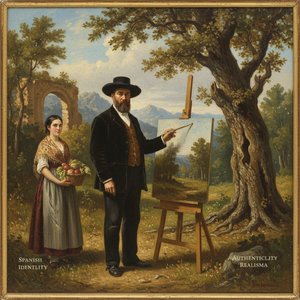
Narcisso Díaz de la Peña: Realism, Spanish Identity & Artistic Authenticity
Explore the life & work of Narcisso Díaz de la Peña, a key figure of the Barbizon school. Discover his captivating realism, Spanish influences, and enduring legacy in 19th-century art. Expert insights at OriginalUniqueArt.

Ignacio Díaz Olano: Bridging Realism & Costumbrismo in Spanish Portraiture
Explore the captivating works of Ignacio Díaz Olano, a pivotal Spanish Realist painter. Discover his intimate portraits, evocative scenes of Andalusia, and unique 'Costumbrista' style. Learn about his legacy & find museum-quality reproductions.
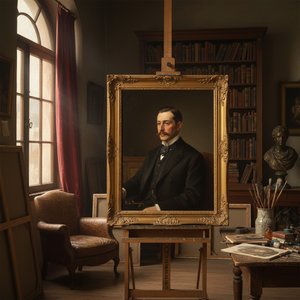
Rafael de Penagos: A Study in Spanish Portraiture & Artistic Identity
Explore the life & art of Rafael de Penagos, a leading Spanish Art Deco illustrator. Discover his iconic 'Penagos Woman', commercial work, and lasting legacy. Learn about this pivotal figure in 20th-century Spanish art history.

The Golden Age Reforged: Dramatic Realism & Religious Zeal in Spanish Baroque Art
Explore the dramatic world of Spanish Baroque art! Discover masters like Zurbarán & the powerful influence of religious zeal on painting techniques – a guide for collectors and enthusiasts.

Mastering the Shadows: A Journey Through the Chiaroscuro and Soul of Iconic Spanish Painting
Embark on a sophisticated exploration of Spanish art history, from the chiaroscuro mastery of Velázquez to the profound shadows of Goya. Discover how the dramatic light and emotional depth of Spain's greatest masters continue to inspire collectors and connoisseurs today.

