- Domů

- Tisk na plátno
- Dame Barbara Mary Quant
- untitled
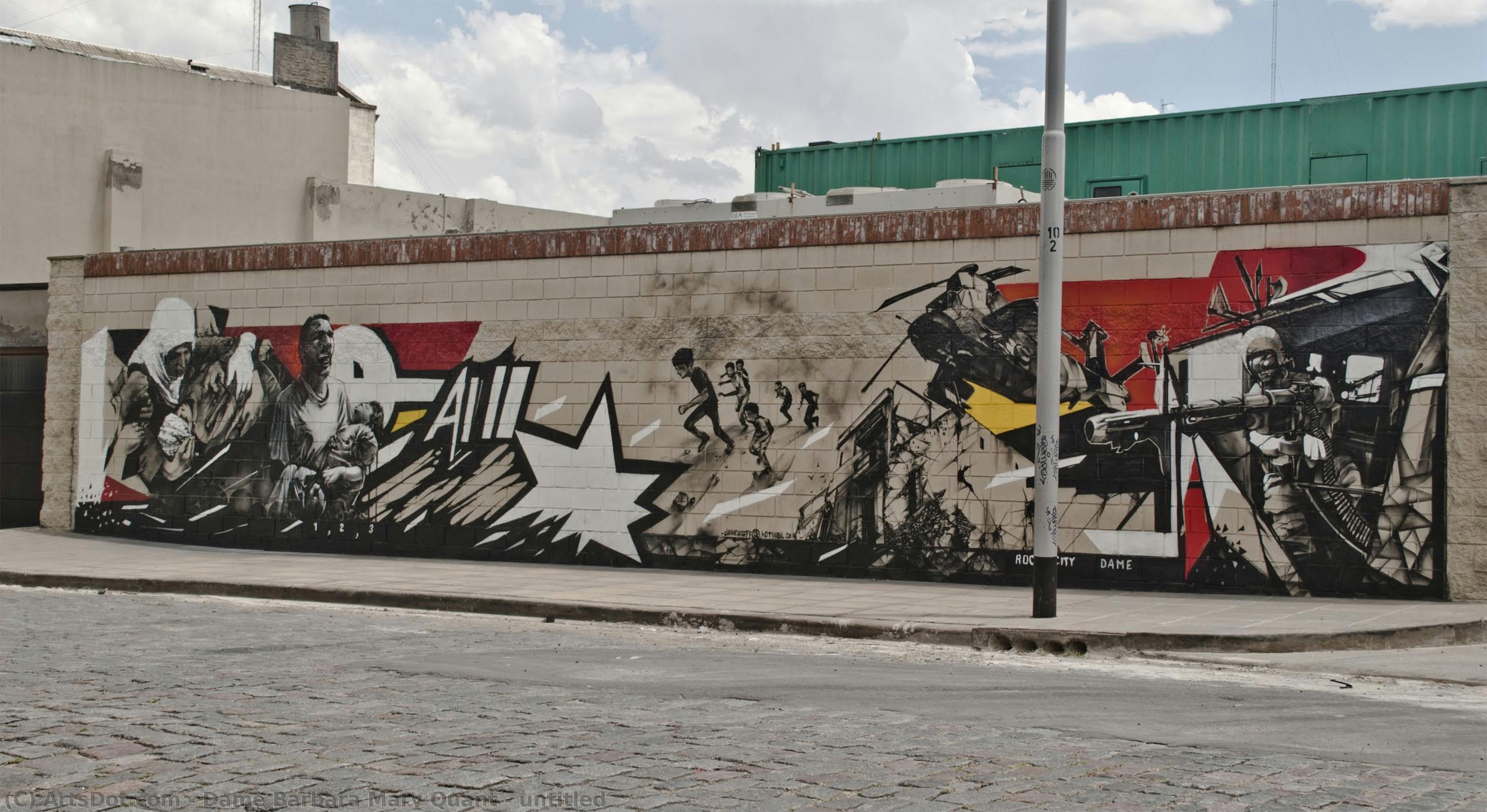
 Objednat reprodukci Koupit digitální obrázek
 Sdílet
 Sdílet
 Podrobnosti o díle
 Přidat do oblíbených

 Stáhnout
 Podobné položky
 Rentgenové snímky
 Slideshow
untitled

 Zobrazit více
Giclée / Umělecký tisk
Giclée nebo plátěný tisk muzeální kvality s rychlou výrobou a flexibilními možnostmi povrchové úpravy.




































Vyberte si z našich přednastavených velikostí, které odpovídají původním proporcím díla.

Můžete zadat vlastní rozměry tak, aby výtvor odpovídal konkrétnímu rámu nebo prostoru. Pokud zvolená velikost nebude odpovídat poměru stran původního obrazu, dílo buď ořížeme, nebo obraz rozšíříme pomocí zrcadlového efektu či jednobarevného okraje. Před zahájením výroby vám bude zaslán digitální náhled k schválení.
Mějte prosím na paměti, že náhled na obrazovce neodráží skutečné oříznutí nebo rozšíření. Pouze digitální náhled přesně zobrazí finální kompozici.
Ačkoliv jsou k dispozici i vlastní rozměry, pro zachování původních proporcí doporučujeme vybrat si rozměr z předdefinovaného seznamu.
Celosvětové doručení () do 2 týdnů namísto standardních 4/5 týdnů. (22 červenec)

Zdarma celosvětová expresní doprava

Vysoce kvalitní lněné plátno

Kompletní přepravní pojištění

Záruka vrácení celního poplatku

Záruka přesného barevného shodu

60denní lhůta pro vrácení zboží (pouze při vadách výroby)

100% garance vrácení peněz

Sleva při hromadné objednávce
 Skleněná varianta je dostupná pouze u rozměrů menších než 110 cm

untitled
Giclée / Umělecký tisk
Rozměry reprodukce
-


Celková cena za výběr
-
Biografie umělce
A Revolutionary of Style: The Life and Legacy of Dame Mary Quant
Dame Barbara Mary Quant, known universally as Mary Quant, wasn’t simply a fashion designer; she was a cultural catalyst who irrevocably altered the landscape of style in the 1960s. Born on February 11, 1930, in Woolwich, London, and passing away on April 13, 2023, in Surrey, England, Quant’s life spanned a century of dramatic change, and her work became synonymous with the youthful exuberance and rebellious spirit of a generation. Her story isn't one of formal training or aristocratic lineage, but rather of intuitive talent, shrewd business acumen, and an unwavering connection to the desires of young women eager to break free from convention. Growing up in a household valuing education – her parents were both teachers – Quant initially pursued studies in illustration at Goldsmiths College, London. However, it was the world of fashion that truly captivated her imagination, leading her to an apprenticeship with a Danish milliner and ultimately, to the bold decision to create clothing that reflected the energy and optimism she felt bubbling beneath the surface of post-war Britain.The Birth of the ‘Chelsea Look’ and the Miniskirt Revolution
In 1955, alongside her husband Alexander Plunket Greene and friend Archie McNair, Quant opened Bazaar on King's Road in Chelsea – a boutique that quickly became the epicenter of a new kind of fashion. Bazaar wasn’t merely a shop; it was an experience. Open late, filled with lively music, and offering affordable, accessible designs, it attracted a clientele hungry for something different. This was where the “Chelsea Look” began to take shape – a playful, modern aesthetic that rejected the stuffy formality of previous decades. While often credited as *the* inventor of the miniskirt, Quant herself acknowledged a collaborative process, stating that her customers were instrumental in demanding shorter hemlines. Regardless of its precise origin, the miniskirt became an iconic symbol of the 1960s, representing liberation, youthfulness, and a rejection of traditional gender roles. But Quant’s influence extended far beyond this single garment. She revolutionized not only clothing – with designs like hot pants also capturing the zeitgeist – but also cosmetics, tights, underwear, rainwear, shoes, and boots, all packaged with distinctive branding and her now-famous daisy logo. Her approach was holistic; she understood that fashion wasn’t just about what you wore, but how it made you feel, and how it integrated into a complete lifestyle.Beyond the Hemline: A Design Philosophy of Modernity
Quant's design philosophy was rooted in practicality and accessibility. She wanted to create clothes that were easy to wear, comfortable, and affordable for young people. She eschewed the elaborate constructions of haute couture, favoring simple lines, bold colors, and innovative materials. Her designs weren’t about imposing a style *on* women; they were about empowering them to express their individuality. This democratic approach to fashion was groundbreaking at the time, challenging the established hierarchies of the industry. She embraced new fabrics like PVC and stretch knits, pushing boundaries and experimenting with textures and forms. The influence of street style and youth culture was paramount – she observed what young people were wearing and adapted it into commercially viable designs. This responsiveness to her audience set her apart from many of her contemporaries. Quant’s work wasn't about replicating existing trends; it was about anticipating and shaping the future of fashion.Recognition, Legacy, and Enduring Influence
Throughout her career, Dame Mary Quant received numerous accolades for her contributions to British fashion and culture. She was appointed an Officer of the Order of the British Empire (OBE) in 1966 and elevated to a Dame Commander of the Order of the British Empire (DBE) in 2015. Her designs have been exhibited in museums worldwide, including a significant collection at the Victoria and Albert Museum in London, and the National Museum of Costume in Lisbon, Portugal, which showcases her iconic ‘Dark Pink Dress’ from 1965. But perhaps her greatest legacy lies in the enduring influence she has had on subsequent generations of designers. Her emphasis on youthfulness, accessibility, and self-expression continues to resonate today. She didn't just create clothes; she created a cultural phenomenon that empowered women and redefined notions of style. The spirit of innovation and rebellion that characterized her work remains a vital force in the fashion world, inspiring designers to challenge conventions and embrace new possibilities. Her impact extends beyond the realm of clothing, influencing art, music, and popular culture as a whole. Dame Mary Quant’s name will forever be synonymous with the Swinging Sixties and the revolutionary spirit of an era that dared to break free from tradition.A Lasting Impression
- Pioneering Retail: Bazaar wasn't just a store; it was a social hub, changing how fashion was bought and experienced.
- Democratizing Fashion: Quant made style accessible to the masses, breaking down barriers of class and exclusivity.
- Empowering Women: Her designs encouraged self-expression and challenged traditional gender roles.
- Cultural Icon: She became a symbol of the Swinging Sixties and its spirit of rebellion and optimism.
- A Legacy of Innovation: Quant’s influence continues to inspire designers today, reminding us that fashion can be a powerful force for change.

Dame Barbara Mary Quant
1930 - 2023 , United Kingdom
Rychlé fakta
- Artistic Movement Or Style: Mod fashion
- Artists Or Movements Influenced By This Artist:
- Youth Fashion
- 1960s Designers
- Date Of Birth: February 11, 1930
- Date Of Death: April 13, 2023
- Full Name: Barbara Mary Quant
- Nationality: British
- Notable Artworks:
- Dark Pink Dress
- untitled (mural)
- Place Of Birth: Woolwich, UK

