

 Náhled v interiéru
 Sdílet
 Sdílet
 Podrobnosti o díle
 Průvodce

 Stáhnout
 Podobné položky
 Rentgenové snímky
 Slideshow
 Q&A
Q&A Statistiky
Returning Late from a Spring Outing
 Ink
Ink- Shanshui
 1644
1644- Modern
 167.0 x 83.0 cm
 Národní palácové muzeum v Taipei
 Zobrazit více
Získejte soubor připravený k tisku, který svou kvalitou výrazně převyšuje webový náhled. Každý prodávaný digitální obraz pochází z vysokorozlišeného originálu v naší databázi – obvykle o šířce 5 000 až 15 000 pixelů – díky čemuž můžete tisknout ve velkém formátu, provádět těsný střih nebo si s jistotou užít i ty nejjemnější detaily.
Žádný soubor neopustí naše studio bez úprav. Digitální expert kontroluje barvy v porovnání s původním malířským dílem a v případě potřeby je upravuje, poté pomocí profesionálních nástrojů pro retuš zvyšuje ostrost a detailnost — přičemž vždy zůstává věrný tahům štětcem a stylu umělce. Výsledkem je obraz, který vypadá jako malba, nikoliv jako naskenovaný snímek s filtrem.
Schvalování před dokončením: náš expert vám do 72 hodin zašle obraz e-mailem k revizi. Nejsste spokojeni? Můžete požádat o úpravy či opravy, nebo si můžete vyžádat vrácení peněz, pokud kvalita neodpovídá vašim očekáváním.
Tuto kvalitu využívají vydavatelství, designová studia, galerie i tiskárny.
Digitální obrazy
Stáhněte si soubor ve vysokém rozlišení pro osobní prohlížení, tisk nebo kreativní projekty. ( Přepnout na tisk Koupit ručně malovaný obraz)
Součást každé objednávky digitálního obrazu
Profesionální digitální doručení, zaručené
Když si vyberete OriginalUniqueArt.com, nezískáváte pouze obrázek – získáváte digitální umělecké dílo s profesionálně vylepšenými detaily, zpracované s precizností a podpořené zárukou za spokojenost. Zde je vše, co vaše objednávka automaticky obsahuje:

Rychlé doručení e-mailem
Váš digitální obraz ve vysokém rozlišení vám bude zaslán e-mailem do 72 hodin od objednávky – připraven k okamžitému použití.

Digitální soubor s využitím AI
Vaše umělecké dílo je profesionálně optimalizováno pomocí pokročilých nástrojů umělé inteligence a manuální úpravy, což zajišťuje maximální úroveň detailu, ostrosti a přesnosti barev.

Doživotní bezplatné znovuodeslání digitálních obrazů
Soubor jste omylem smazali nebo ztratili? Žádný problém – kdykoliv vám ho znovu zašleme zcela zdarma.

Bez poplatků za dovoz – navždy
Užijte si své umělecké dílo okamžitě bez celních poplatků, daní nebo nákladů na dopravu – digitální stažení je vždy bez daňových povinností.

Záruka přesnosti barev
Díky profesionálním nástrojům a správě barev zajišťujeme, aby váš digitální obraz odrážel původní barvy co nejvěrněji.

100dená záruka spokojenosti
Pokud nebudete s digitálním obrázkem spokojeni, provedeme jeho revizi nebo vám vrátíme 100% platby do 100 dnů – bez jakýchkoliv dotazů.

100% záruka vrácení peněz
Nespokojeni? Získejte plnou náhradu peněz do 100 dnů od obdržení digitálního souboru – bez zbytečných dotazů.

Slevy při hromadných objednávkách
Koupě 3 obrazů ušetří 10% – Koupě 5 obrazů ušetří 15% – Koupě 10+ obrazů ušetří 20%. Ideální pro kreativní projekty, galerie a agentury.
A Moment of Serene Reflection: Returning Late from a Spring Outing by Dai Jin
Dai Jin’s “Returning Late from a Spring Outing,” painted in 1644, offers a profound glimpse into the heart of Chinese literati aesthetics – a world where landscape painting transcended mere representation to become a vehicle for spiritual contemplation. This exquisite silk hand-painting, measuring 167 x 83 cm, captures a quintessential Shanshui scene, a hallmark of the Song Dynasty’s influence on Chinese art, and embodies the spirit of the Ma-Xia style, also known as the Zhe School, which flourished during Dai Jin's lifetime. The artwork isn't simply a depiction of mountains and water; it is an invitation to experience tranquility, harmony, and a deep connection with the natural world – core tenets of Confucian philosophy.
Masterful Technique: The Language of Ink and Color
- Brushwork and Composition: Dai Jin’s loose, expressive brushstrokes are central to the painting's power. They create a dynamic sense of atmospheric perspective, drawing the viewer into the scene with a fluidity that mimics the movement of water and wind. The vertical format emphasizes height and depth, reinforcing the grandeur of the mountainous landscape.
- Ink Wash Technique (Sumi): The painting’s foundation lies in the meticulous layering of ink washes – *sumi*. This technique, perfected over centuries, allows for a subtle manipulation of tonal values, building up volume and creating an illusion of three-dimensionality. Notice how the artist uses varying densities of ink to define the contours of rocks, trees, and distant peaks.
- Color Palette: The muted color palette – browns, grays, ochre, with delicate washes of blue and green – contributes significantly to the painting’s contemplative mood. These colors evoke the subtle shifts in light and shadow found within a natural landscape, enhancing the sense of realism while maintaining an ethereal quality.
Symbolism and Context: A Window into Ming Dynasty Thought
Painted in 1644, during Dai Jin’s career, this artwork reflects the artistic currents of the early Ming dynasty. Dai Jin was a pivotal figure in reviving the Ma-Xia style, which prioritized capturing the essence of nature over strict adherence to traditional representation. The pavilions depicted within the scene symbolize human dwellings nestled within the vastness of the landscape – a reminder of humanity’s place within the natural order. The mountains themselves represent strength, permanence, and spiritual aspiration, echoing Confucian ideals of virtue and longevity. Dai Jin's work was often influenced by political considerations, as evidenced by his early career attempts to gain favor with the emperor, though he ultimately developed a distinctive style that prioritized artistic integrity.
Emotional Resonance: A Legacy of Tranquility
“Returning Late from a Spring Outing” possesses an enduring emotional resonance. The diffused lighting and serene composition evoke a sense of quiet contemplation, inviting the viewer to escape the pressures of daily life and find solace in the beauty of nature. This painting is more than just a visual representation; it’s a portal to a timeless landscape, reflecting the profound connection between humanity and the natural world – a connection that continues to inspire awe and wonder centuries later. This hand-painted reproduction captures not only Dai Jin's artistic skill but also the very spirit of this iconic work.
Otázky a odpovědi
Jaké nastavení tisku se doporučuje pro „Returning Late from a Spring Outing“ od Dai Jin?
Pro dílo „Returning Late from a Spring Outing“ doporučujeme tisk ve velikosti Large v orientaci Tall.
Využívá „Returning Late from a Spring Outing“ od Dai Jin výrazné kontrasty, nebo jemné harmonie?
Barevná analýza díla „Returning Late from a Spring Outing“ od Dai Jin zachycuje Serene kontrast a Unified Palette harmonii.
Jakou saturaci a intenzitu má dílo „Returning Late from a Spring Outing“ od Dai Jin?
Barvy díla „Returning Late from a Spring Outing“ od Dai Jin vykazují Balanced Soft saturaci s Balanced intenzitou.
Biografie umělce
early life and career
dai jin, a renowned chinese artist, was born in 1388 and passed away in 1462. he was a leading figure in the early ming revival of the ma-xia style, also known as the zhe school, which emerged from the landscape painting traditions of the southern song. as a young man, dai jin traveled to the capital, nanjing, with his father, who worked in an official capacity. although he failed to establish himself in the capital, he returned to qiantang and resumed his study of painting, likely under the guidance of a local zhejiang artisan.rise to prominence
dai jin's reputation grew significantly around 1425, when he was recommended to the xuande emperor. he traveled to beijing in hopes of securing an academy appointment. however, his plans were thwarted by established painters, particularly xie huan, who claimed to detect anti-government bias in dai's works. one notable example is dai jin's painting, seven worthies passing the barrier (c. 1425-35), which was based on an old tale recounting the flight of seven men from a tumultuous state. this work, along with another piece depicting a fisherman in a red coat, led to dai jin's downfall.notable works and legacy
* dai jin's landscapes, showcasing the four seasons, were initially well-received by the xuande emperor. * seven worthies passing the barrier (c. 1425-35), a painting that led to dai jin's persecution.- view dai jin's artworks on OriginalUniqueArt.com
- learn more about dai jin on wikipedia
- explore the zhe school and its influence on chinese landscape painting on the museum destroyed by fire (united states)
conclusion
despite facing challenges and persecution, dai jin's contributions to the zhe school and chinese landscape painting remain significant. his works continue to be celebrated for their unique style and innovative techniques. important: to learn more about dai jin and his artworks, visit dai jin's page on OriginalUniqueArt.com.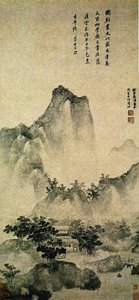
Dai Jin
1388 - 1462 , China
Stručné informace
- Full Name: Dai Jin
- Nationality: Chinese
- Date Of Birth: 1388
- Date Of Death: 1462
- Place Of Birth: Quzhou, China
- Notable Artworks: ['Bamboo paintings']
- Artistic Movement Or Style: Ink bamboo painting
- Artists Who Influenced This Artist: ['Wang Fu']