
 Náhled
 Sdílet
 Sdílet
 Podrobnosti o díle

 Stáhnout
 Podobné položky
 Rentgenové snímky
 Slideshow
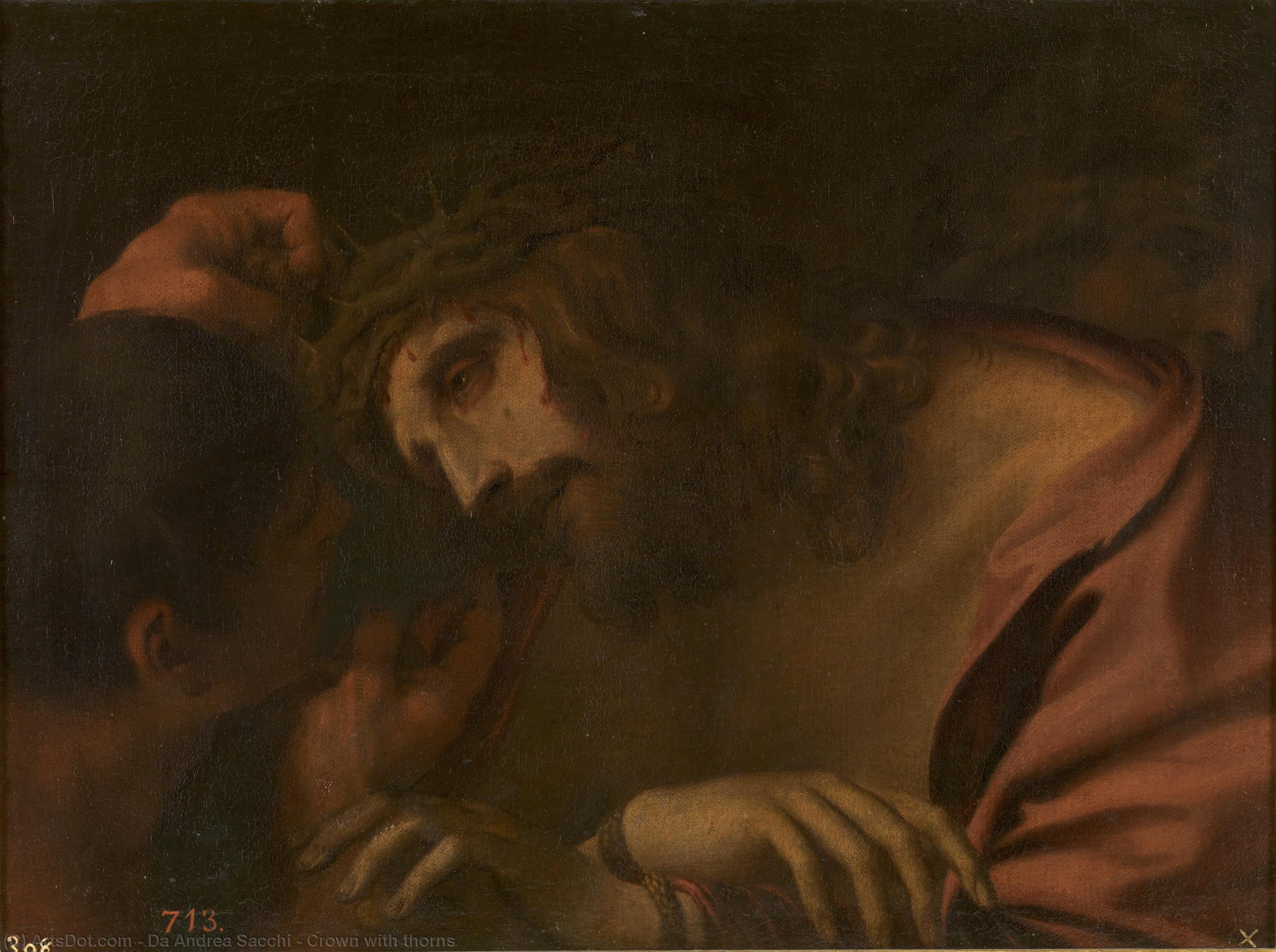
Crown with thorns
 Oil On Canvas
- WallArt
- Baroque
 Early Modern
 50.0 x 67.0 cm
 Museo del Prado
 Zobrazit více
Ručně malovaná olejová reprodukce
Ručně malovaná olejná barva na plátně ve vašem zvoleném rozměru i s rámem, vyrobená našimi umělci na zakázku. ( Koupit tisk Koupit obrázek)




P118B $10

P118H $10

P118W $10

P438Z $10

P508JH $12

P508YH $12

P805H $10

P805Z $10

P919BZ $10

P919G $10

P919XJ $10

P959ZH $10

P968JZ $12

W106C $8

W218G $10

W218JH $8

W218Y $10

W307PJ $10

W316G $10

W316PJ $8

W316Y $10

W398PJ $8

W4111J $10

W500HY $15

W500JH $15

W692G $12

W849H $8

W940BG $15

W953PJ $8




Vyberte si z našich přednastavených velikostí, které odpovídají původním proporcím díla.

Můžete zadat vlastní rozměry pro konkrétní rám nebo prostor. Pokud se vámi vybraná velikost neshoduje s proporcemi původního obrazu, dílo buď ořízneme, nebo jej doplníme ručně malovanými prvky. Před zahájením výroby vám bude zaslán digitální náhled ke schválení.
Upozorňujeme, že náhled na obrazovce neodpovídá skutečnému ořezu ani rozšíření. Pouze digitální náhled přesně zobrazí finální kompozici.
Ačkoliv je možné zvolit vlastní velikost, pro zachování původních proporcí doporučujeme vybrat rozměr z předdefinovaného seznamu.
Po přijetí objednávky vám tým OriginalUniqueArt.com zašle e-mail s pokyny a poskytne náhledovou verzi.
Celosvětová doprava () za 3–4 týdny namísto standardních 5 týdnů. (20 srpen). Bez kompromisů v kvalitě.

Zdarma celosvětová expresní doprava

Vysoce kvalitní lněné plátno

Kompletní přepravní pojištění

Záruka vrácení celního poplatku

Záruka přesného barevného shodu

60denní lhůta pro vrácení zboží (pouze při vadách výroby)

100% garance vrácení peněz

Sleva při hromadné objednávce
 Skleněná varianta je dostupná pouze u rozměrů menších než 110 cm

Crown with thorns
Technika reprodukce
Rozměry reprodukce
-


Celková cena za výběr
$ 300
Popis díla
The Weight of Sacrifice: An Encounter with Suffering
This evocative depiction, titled "Crown with thorns," plunges the viewer into a moment of profound human suffering and divine sacrifice. The scene arrests the eye in its dramatic intensity, portraying the harrowing act of Jesus being subjected to the mockery of the crown of thorns by surrounding figures. One can almost feel the oppressive weight of the dark setting—a space suggesting confinement, perhaps a dungeon or prison cell—which serves only to amplify the pathos of the central action. The composition is charged with palpable tension; the hands reaching out, the faces etched with pain and malice, all contribute to an atmosphere thick with sorrow.
Baroque Drama in Sacred Narrative
Attributed to da Andrea Sacchi, this work resonates deeply with the spirit of Baroque Classicism. Sacchi, a master working during the late seventeenth century, was renowned for his ability to fuse classical sculptural ideals with dramatic theatricality. His training under masters like Alessandro Algardi is evident in the careful rendering of musculature and gesture; even within the chaos of suffering, there is an underlying sense of formal structure. The artist does not merely record an event; he stages a monumental emotional confrontation. The interplay between light and shadow, characteristic of the period, carves out the figures from the gloom, focusing all attention on the humiliation endured by the central figure.
Symbolism Woven into Thorn and Shadow
The symbolism here is immediate and overwhelming. The crown of thorns is not merely an accessory; it is a potent symbol of ultimate mockery juxtaposed against divine kingship. It speaks to the paradox of suffering leading to exaltation. Furthermore, the surrounding figures—some participating in the torment, others observing from the periphery—represent humanity's capacity for both cruelty and witness. The darkness enveloping the scene suggests the spiritual void or the depth of human despair, making the illuminated agony of Christ all the more piercingly poignant.
A Study in Emotional Resonance for Your Space
For collectors and designers alike, this piece offers far more than mere decoration; it is a meditation on endurance. Reproducing such a powerful work allows one to bring a focal point of deep contemplation into any room. The rich tonality and dramatic chiaroscuro inherent in Sacchi's style lend themselves beautifully to creating an atmosphere of solemn grandeur. Whether placed in a formal study, a chapel-inspired lounge, or a gallery setting, "Crown with thorns" commands attention, inviting quiet reflection upon themes of sacrifice, redemption, and the enduring nature of the human spirit.
Biografie umělce
Andrea Sacchi: A Master of Baroque Classicism
Andrea Sacchi (1599 – 1661) stands as a pivotal figure in the High Baroque artistic landscape of Rome, embodying a synthesis of classical ideals and dramatic theatricality. Born into a modest family, his father, Benedetto Sacchi, was himself an artist—albeit one whose ambitions fell short of his son’s prodigious talent—and it was Giuseppe D’Arpino who recognized Andrea's exceptional aptitude and steered him towards the tutelage of the celebrated sculptor Alessandro Algardi. This formative influence instilled in Sacchi a profound appreciation for sculptural form and proportion, shaping his artistic sensibilities from an early age. Sacchi’s artistic journey began with apprenticeships under Francesco Albani and Pietro da Cortona, experiences that exposed him to the prevailing stylistic currents of Rome during his time. Notably, he engaged in spirited debates at the Accademia di San Luca concerning Cortona's expressive style—a discussion that underscored Sacchi’s commitment to intellectual rigor alongside artistic excellence. He championed a restrained aesthetic rooted in Raphael’s harmonious compositions and meticulous observation of nature, rejecting what he perceived as excessive ornamentation. His patronage by Cardinal Antonio Barberini proved instrumental in propelling his career forward, securing commissions for monumental frescoes within the Palazzo Barberini and the Cappella Gavotti at Sant'Andrea della Valle—projects that cemented his reputation as one of Rome’s foremost painters. These ambitious undertakings demanded masterful technique and a profound understanding of narrative storytelling, characteristics that define Sacchi’s oeuvre. He skillfully employed illusionistic painting techniques to create immersive environments, transporting viewers into biblical scenes with breathtaking realism and emotional depth. Sacchi's artistic explorations extended beyond Rome, encompassing visits to Venice and Parma where he studied the works of Correggio—a formative encounter that further honed his grasp of spatial perspective and chiaroscuro. His meticulous attention to detail and unwavering dedication to capturing human emotion are evident throughout his paintings, reflecting a humanist sensibility deeply influenced by Renaissance ideals. Sacchi’s legacy resides in his monumental frescoes – particularly “The Divine Wisdom” (Cappella Gavotti) and “The Coronation of the Virgin” (Pinacoteca Vaticana) – which remain unparalleled examples of Baroque art. These canvases exemplify Sacchi's mastery of composition, color palette, and dramatic lighting, establishing him as a cornerstone of Italian Baroque artistic achievement and securing his place among the most influential painters of his era. His work continues to inspire admiration for its beauty, intellectual sophistication, and enduring power to convey profound spiritual themes.
da andrea sacchi
1599 - 1661
Rychlé fakta
- Artistic Movement Or Style: High Baroque Classicism
- Artists Or Movements Influenced By This Artist: ['Nicolas poussin']
- Artists Who Influenced This Artist:
- Raphael
- Correggio
- Date Of Birth: 1599
- Date Of Death: 1661
- Full Name: Andrea Sacchi
- Nationality: Italian
- Notable Artworks:
- Cenacolo di Andrea del Sarto
- San Nicola da Tolentino
- Place Of Birth: Rome
Související články

Baroque Classicism: The Grandeur of Order and Drama in 17th-Century Art History
Explore the profound elegance of Baroque Classicism. Discover how 17th-century masters synthesized dramatic emotion with classical order through the lens of the Counter-Reformation and the works of legends like Carlo Maratta and Andrea Sacchi.

The Dramatic Flourish: Exploring the Baroque Movement's Enduring Legacy in Art History
Explore the dramatic world of Baroque art! Discover iconic artists like Caravaggio & Rubens, defining techniques, and its lasting impact on art history. Expert insights for collectors & enthusiasts at OriginalUniqueArt.

Barokní drama: Umění, které vnáší velkolepost do domova
Objevte velkolepost barokního stylu v interiéru! Průvodce klíčovými prvky, inspirace a tipy pro integraci do moderního bydlení. Reprodukce umění s .

Barokní mistrovská díla: 10 obrazů, které definovaly umělecký styl | OriginalUniqueArt.cz
Objevte 10 ikonických děl barokního umění – od Caravaggia po Rembrandta. Ponořte se do příběhů mistrů, technik a emocí tohoto velkolepého období. Reprodukce obrazů nejvyšší kvality na OriginalUniqueArt.com! Prozkoumejte celou kolekci online.

The Visceral Stage: Exploring Dramatic Narratives & Emotional Intensity in Baroque Art
Explore the dramatic world of Baroque art! Discover iconic masters like Caravaggio & Rembrandt, their techniques, and the movement's lasting impact. Expert insights for collectors & enthusiasts at OriginalUniqueArt.

