
 Náhled v interiéru
 Sdílet
 Sdílet
 Podrobnosti o díle
 Průvodce

 Stáhnout
 Podobné položky
 Rentgenové snímky
 Slideshow
 Otázky a odpovědi
 Statistiky
Abraham


 Zobrazit více
Giclée / Umělecký tisk
Giclée nebo plátěný tisk muzeální kvality s rychlou výrobou a širokou nabídkou povrchových úprav. ( Koupit ručně malovaný obraz Přepnout na digitální obraz)




































Vyberte si z našich přednastavených velikostí, které odpovídají původním proporcím díla.

Zadejte šířku a výšku, které potřebujete pro váš rám nebo stěnu. Tisk lze pouze oříznout, nikdy však nelze zvětšit obraz nad jeho původní rozměr, proto při výběru jiného formátu dochází ke ztrátě části obrazu. Před samotným tiskem vám zašleme digitální náhled k schválení. Obraz zobrazený na této stránce nenabízí skutečný výřez — ten uvidíte pouze v náhledu.
Celosvětové doručení () do 2 týdnů namísto standardních 4/5 týdnů. (3 listopad)

Zdarma celosvětová expresní doprava

Vysoce kvalitní lněné plátno

Kompletní pojištění přepravy

Záruka vrácení celního poplatku

Záruka věrného barevného souladu

100dení lhůta pro vrácení zboží (pouze při vadách výroby)

100% záruka vrácení peněz

Sleva při více objednávkách
 Skleněná varianta je dostupná pouze u rozměrů menších než 110 cm

Abraham
Giclée / Umělecký tisk
Rozměry reprodukce
-


Celková cena za vybrané možnosti reprodukcí
Kč 1766
Biografie umělce
The Dramatic Soul of Mannerism: The Life of Cristofano Gherardi
In the turbulent landscape of 16th-century Italy, where the serene balance of the High Renaissance began to fracture into something more complex and emotionally charged, Cristofano Gherardi emerged as a master of tension. Born in 1508 in the historic town of Borgo San Sepolcro, Gherardi would become a vital voice in the Mannerist movement, a style defined by its departure from classical harmony in favor of elongated forms, unsettling perspectives, and profound psychological depth. His life and work serve as a window into an era that sought to capture the spiritual and physical struggles of the human condition through deliberate distortion and theatrical light.
Gherardi’s artistic identity was forged in the prestigious workshop of Giorgio Vasari, the legendary biographer and architect of the Florentine Renaissance. As an apprentice to Vasari, Gherardi was immersed in a lineage of greatness, absorbing the sophisticated techniques of masters such as Raffaellino del Colle and the expressive, often restless energy of Rosso Fiorentino. This formative period provided him with a rigorous foundation in classical composition, yet it also gave him the tools to subvert those very rules. Under Vasari’s mentorship, Gherardi learned how to manipulate light and shadow to create a sense of movement and drama that would become his stylistic hallmark.
A Legacy of Shadow and Symbolism
The trajectory of Gherardi’s career was marked by both profound creative output and the political instability of his time. Following the tumultuous events surrounding the death of Duke Alessandro in 1536, Gherardi faced banishment from Florence. This displacement, while perhaps limiting his access to the Florentine court, led him to contribute significantly to the religious landscapes of Tuscany and beyond. His works, often commissioned for churches, transformed sacred narratives into visceral experiences for the faithful.
His mastery is most evident in his ability to weave complex biblical symbolism into compositions that feel alive with motion. Consider the following hallmarks of his celebrated oeuvre:
- Theatrical Lighting: Gherardi utilized a dramatic use of chiaroscuro, where deep shadows clash with brilliant highlights to direct the viewer's eye and heighten the emotional stakes of a scene.
- Dynamic Figures: His characters often possess an elongated elegance, moving through space with a grace that feels both supernatural and physically strained, typical of the Mannerist aesthetic.
- Biblical Intensity: In works such as Isaac (1555) and Abraham (1555), he captures the raw, terrifying moments of divine command and human sacrifice, using rich textures and complex arrangements to evoke awe.
- Narrative Depth: Beyond mere illustration, his frescoes, such as the Descent to Limbo, serve as profound meditations on resurrection and the spiritual journey, utilizing distorted perspectives to create a sense of otherworldly scale.
Historical Significance and Artistic Impact
Though Gherardi may not have achieved the enduring global fame of his mentor Vasari, his contribution to the evolution of Italian art is undeniable. He represents the bridge between the structured perfection of the early 1500s and the more expressive, often unsettling beauty of the late Mannerist period. His ability to take the classical language of the Renaissance and infuse it with a sense of spiritual unrest allowed him to create works that resonated deeply within the religious fervor of the Counter-Reformation.
Today, art historians look to Gherardi as a significant figure in the Florentine and Tuscan traditions. His paintings remain powerful testaments to an era of transition, reminding us of a time when artists dared to move away from the comfort of the known to explore the beautiful, the strange, and the divine. Through his brush, the sacred stories of the past were reimagined with a dramatic intensity that continues to captivate the modern imagination.

Cristofano Gherardi
1508 - 1556 , Italy
Rychlé informace o umělci
- Full Name: Cristofano Gherardi
- Nationality: Italian
- Date Of Birth: 1508
- Date Of Death: 1556
- Place Of Birth: Borgo San Sepolcro, Italy
- Notable Artworks:
- Descent to Limbo
- Abraham
- Isaac
- Artistic Movement Or Style: Mannerism
- Artists Who Influenced This Artist: ['Raffaellino del Colle']
- Artists Or Movements Influenced By This Artist: ['Giorgio Vasari']
Související články

Jacques-Louis David: Neoclassical Ideals & Revolutionary Witness
Explore the life & art of Jacques-Louis David, leading Neoclassical painter of the French Revolution. Discover iconic works like 'The Death of Marat' and his lasting impact on art history. Expert analysis & high-quality reproductions at OriginalUniqueArt.
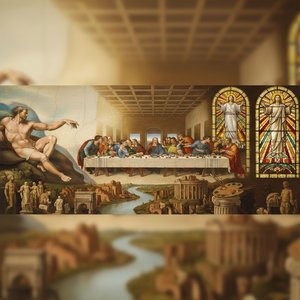
Illuminating Faith: Biblical Scenes & Their Enduring Legacy in Art History
Explore the profound history of biblical art! Discover Renaissance masterpieces by Giotto & more. Uncover symbolism, artistic techniques, and lasting influence. Expert insights at OriginalUniqueArt.

Illuminating Faith: Biblical Narrative & Artistic Expression Through the Ages
Explore the rich history of biblical art from Giotto to the Renaissance masters with OriginalUniqueArt. Discover symbolism, techniques & enduring legacies. Museum-quality reproductions & expert insights.
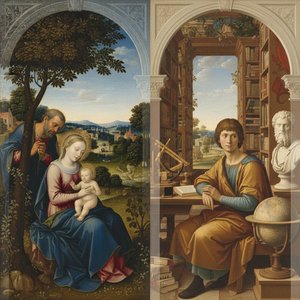
Gerard David: Bridging Late Medieval Tradition with Early Renaissance Humanism
Explore the captivating world of Gerard David, a pivotal figure bridging late medieval artistry with the Early Renaissance. Discover his innovative techniques, religious masterpieces, and enduring legacy – a must-read for discerning art collectors.
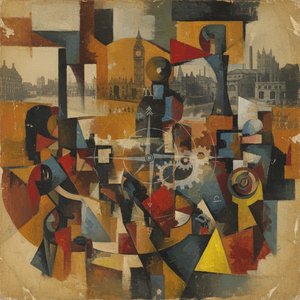
David Bomberg: Reassessing the Pioneering Spirit of Early British Abstraction
Explore the groundbreaking work of David Bomberg, a pivotal figure in British abstraction. Discover his artistic evolution, influences, and lasting legacy through insightful analysis & expert commentary.