

 Zobrazit v interiéru
 Odeslat
 Sdílet
 Podrobnosti
 Průvodce

 Stáhnout obrázek
 Podobné kousky
 Rentgenové snímky
 Slideshow
 Statistiky
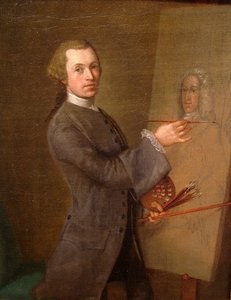
Patrick Home
 Neoclassicism
 1757
1757 69.0 x 52.0 cm
 Přečíst si více
Zakupte si digitální obraz ve vysokém rozlišení a vylepšeném provedení, který nabízí mnohem vyšší kvalitu než online náhled.
Každý soubor je pečlivě připraven našimi specialisty s využitím pokročilých nástrojů a odborné manuální retuše. Zajišťujeme, aby každý obraz disponoval výjimečnou ostrostí, přesnou barevnou věrností a jemnými detaily.
Finální soubor vám bude do 72 hodin zaslán e-mailem, optimalizovaný pro okamžité použití v profesionálním, redakčním i tiskovém prostředí. Nabízíme stejnou kvalitu, které důvěřují špičková designová studia, nakladatelství i galerie.
Digitální obrazy
Stáhněte si soubor ve vysokém rozlišení pro osobní prohlížení, tisk a kreativní projekty. ( Přepnout na tiskové verze Objednat ručně malovanou reprodukci)
Součást každé objednávky digitálního obrazu
Exponenciální digitální doručení, zaručené
Když si vyberete OriginalUniqueArt.com, nezískáváte pouze obrázek – získáváte digitální umělecké dílo s profesionálně vylepšenými detaily, zpracované s precizností a podpořené zárukou za spokojenost. Zde je vše, co vaše objednávka automaticky obsahuje:

Bleskové doručení e-mailem
Váš digitální obraz ve vysokém rozlišení vám bude zaslán e-mailem do 72 hodin od objednávky – připraven k okamžitému použití.

Digitální soubor s podporou AI
Vaše umělecké dílo je profesionálně optimalizováno pomocí pokročilých nástrojů umělé inteligence a manuální úpravy, což zajišťuje maximální úroveň detailu, ostrosti a přesnosti barev.

Doživotní bezplatné znovuodeslání
Soubor jste omylem smazali nebo ztratili? Žádný problém – kdykoliv vám ho znovu zašleme zcela zdarma.

Bez poplatků za dovoz – navždy
Užijte si své umělecké dílo okamžitě bez celních poplatků, daní nebo nákladů na dopravu – digitální stažení je vždy bez daňových povinností.

Záruka přesnosti barev
Díky profesionálním nástrojům a správě barev zajišťujeme, aby váš digitální obraz odrážel původní barvy co nejvěrněji.

100dená záruka spokojenosti
Pokud nebudete s digitálním obrázkem spokojeni, provedeme jeho revizi nebo vám vrátíme 100% platby do 100 dnů – bez jakýchkoliv dotazů.

100% záruka vrácení peněz
Nespokojeni? Získejte plnou náhradu peněz do 100 dnů od obdržení digitálního souboru – bez zbytečných dotazů.

Slevy při hromadných objednávkách
Při koupi 3 obrazů ušetříte 10% – Při koupi 5 obrazů ušetříte 15% – Při koupi 10+ obrazů ušetříte 20%. Ideální pro kreativní projekty, galerie a agentury.
Biografie umělce
A Legacy of Portraiture and Pedagogy
The story of Cosmo Alexander is one of wandering brilliance and the profound influence of a master upon his pupil. Born in Scotland to the noted portrait painter John Alexander, Cosmo was destined for a life steeped in the traditions of fine art. Before his journey took him across the Atlantic, he refined his eye through extensive travels across Europe, documenting his presence in Italy between 1745 and 1751, including time in Rome. His artistic development continued in Holland, where he achieved professional recognition by joining the painters' guild at The Hague. These formative years in the great art centers of Europe provided him with a sophisticated foundation in classical techniques that would later define his work in the American colonies.
Though Alexander often referred to himself as a history painter, his enduring legacy resides in his mastery of the portrait. His style, which aligns closely with the Classical Realism later championed by John Singleton Copley, captured the essence of the Scottish community and the colonial elite with remarkable precision. As he moved through the American landscape between 1766 and 1772, his brush followed a path of significant historical importance. From the bustling streets of Philadelphia to the coastal elegance of Newport, Rhode Island, and even as far south as Charleston, South Carolina, Alexander sought to capture the likenesses of a burgeoning nation through a lens of European refinement.
The Teacher of a Master
Perhaps the most significant chapter in Alexander’s life was his role as a mentor. In Newport, Rhode Island, he encountered a young Gilbert Stuart, a meeting that would alter the course of American art history forever. Recognizing the potential in the fourteen-year-old, Alexander took Stuart on as an apprentice. This relationship was more than a mere professional arrangement; it was a passing of the torch from the Old World traditions to the New. The two traveled together through the colonies, eventually returning to Edinburgh in 1771, where the bond between master and student remained unbroken until Alexander’s sudden death.
Alexander's life was marked by both artistic triumph and personal hardship. Driven by financial debts that had forced him to leave London, he arrived in America with the hope of rebuilding his fortune through his craft. While his travels were frequent—visiting New York City, Boston, and Williamsburg—his ability to secure patrons remained a testament to his skill. In Burlington, New Jersey, he even resided within the governor's mansion, utilizing such high-profile connections to find sitters for his portraits. Though his life was cut short in Edinburgh, the impact of his work remains visible in the collections of prestigious institutions today.
- Key Artistic Contributions: Known for over twenty-five identified American portraits that showcase his skill in portraiture and historical genre painting.
- Notable Mentorship: Served as the primary teacher and mentor to the legendary American artist Gilbert Stuart.
- Geographic Reach: His career spanned Scotland, Italy, Holland, England, and various American colonies including New York, Pennsylvania, and Rhode Island.
Cosmo Alexander
1724 - 1772