

 Zobrazit v interiéru
 Odeslat
 Sdílet
 Podrobnosti
 Průvodce

 Stáhnout obrázek
 Podobné kousky
 Rentgenové snímky
 Slideshow
 Statistiky
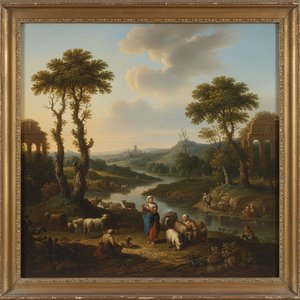
Roman Ruins
 Oil
Oil- WallArt
- Dutch Golden Age
 1620
1620- Early Modern
 23.0 x 31.0 cm
 Přečíst si více
Ručně malovaná olejová reprodukce
Ručně malované olejné plátno v libovolném rozměru i s rámem, vyrobené našimi umělci na zakázku. ( Přepnout na tiskové verze Přepnout na digitální verzi obrazu)




P118B Kč10

P118H Kč10

P118W Kč10

P438Z Kč10

P508JH Kč12

P508YH Kč12

P805H Kč10

P805Z Kč10

P919BZ Kč10

P919G Kč10

P919XJ Kč10

P959ZH Kč10

P968JZ Kč12

W106C Kč8

W218G Kč10

W218JH Kč8

W218Y Kč10

W307PJ Kč10

W316G Kč10

W316PJ Kč8

W316Y Kč10

W398PJ Kč8

W4111J Kč10

W500HY Kč15

W500JH Kč15

W692G Kč12

W849H Kč8

W940BG Kč15

W953PJ Kč8




Vyberte si z našich přednastavených velikostí, které odpovídají původním proporcím díla.

Zadejte šířku a výšku, které potřebujete pro váš rám nebo stěnu. Protože se jedná o ruční malbu, při výběru jiného formátu může umělec kolem obrazu domalovat o něco více, nebo jej mírně oříznout — rozhodnete si vy. Před zahájením malby vám zašleme digitální náhled ke schválení. Obraz zobrazený na této stránce neodpovídá skutečnému výsledku — pouze digitální náhled jej zobrazuje.
Po přijetí objednávky vám tým OriginalUniqueArt.com zašle e-mail s pokyny a poskytne náhledovou verzi.
Celosvětová doprava () za 3–4 týdny namísto standardních 5 týdnů. (24 říjen). Bez kompromisů v kvalitě.

Zdarma celosvětová expresní doprava

Vysoce kvalitní lněné plátno

Úplné pojištění přepravy

Záruka vrácení celního poplatku

Záruka věrného barevného shodu

100dení lhůta pro vrácení zboží (pouze při vadách výroby)

100% garance vrácení peněz

Sleva při více objednávkách
 Skleněná varianta je dostupná pouze u rozměrů menších než 110 cm

Roman Ruins
Technika provedení
Velikost reprodukce
-


Celková cena
Kč 6408
A Window into Antiquity: The Timeless Allure of Roman Ruins
In the delicate, circular embrace of this exquisite tondo, Cornelis van Poelenburgh invites us to step through a portal into a bygone era. Painted around 1620, Roman Ruins is far more than a mere depiction of architectural decay; it is a profound meditation on the passage of time and the enduring relationship between humanity and the remnants of greatness. The composition, framed by its characteristic round format, focuses our gaze upon a landscape where the grandeur of the Roman Empire has softened into a pastoral sanctuary. Within this intimate space, the heavy stone arches and crumbling pillars serve as silent witnesses to history, now providing a backdrop for the quiet, rhythmic pulse of rural life.
The scene unfolds with a masterful use of light and shadow, reminiscent of the Dutch Golden Age's obsession with atmospheric truth. As we gaze upon the foreground, we encounter a world in gentle motion: a shepherd tending his flock, a laborer with his oxen, and figures caught in quiet contemplation. These small-scale inhabitants of the landscape bring a sense of warmth and vitality to the otherwise somber ruins. The artist employs a subtle, earthy palette—rich ochres, muted greens, and soft umbers—to weave a tapestry of textures that feels both tactile and ethereal. The hazy, overcast sky suggests the fleeting light of dawn or dusk, casting a melancholic yet peaceful glow over the entire vista, evoking a sense of nostalgia for a lost civilization.
The Mastery of the Italianate Style
Cornelis van Poelenburgh was a pivotal figure in the first generation of Dutch landscape painters who found profound inspiration in Italy. His travels to Rome allowed him to infuse his Northern training with the classical elegance of the Mediterranean. In Roman Ruins, we see this synthesis perfected. The technique is characterized by an incredible attention to detail; every crack in the ancient masonry and every distant bird in flight is rendered with a precision that draws the viewer deeper into the frame. This meticulousness does not feel clinical, however, but rather serves to enhance the three-dimensional depth of the scene, making the archway feel like a real threshold through which one might walk.
For the discerning collector or interior designer, this piece offers a unique emotional resonance. It possesses a "Caravaggesque" drama tempered by a serene, pastoral tranquility. The symbolism of the ruins—representing the inevitable cycle of rise and fall—is balanced by the resilience of the natural world and the simplicity of the human spirit. Such a work is an ideal centerpiece for a sophisticated interior, providing a conversational focal point that inspires reflection. Whether placed in a sunlit study or a grand gallery, this reproduction captures a moment of eternal stillness, offering any space it inhabits a touch of historical majesty and poetic grace.
Otázky a odpovědi
Kdo vytvořil dílo "Roman Ruins" a v jakém roce?
Dílo "Roman Ruins" vytvořil/a Cornelis Van Poelenburch v roce 1620.
Co zachycuje dílo „Roman Ruins“ od Cornelis Van Poelenburch?
Témata obsažená v díle „Roman Ruins“ od Cornelis Van Poelenburch zahrnují figures, sheep, cow, archway, ruins, trees, birds, earth tones. Tato témata společně shrnují obsah celého uměleckého díla.
Jak výrazné jsou barvy díla „Roman Ruins"]?
Barvy díla „Roman Ruins“ od Cornelis Van Poelenburch vykazují Muted saturaci s Balanced intenzitou.
Biografie umělce
mladost a první krůčky v umění
Cornelis van Poelenburgh, jeden z nejvýznamnějších nizozemských malířů krajin, přišel na svět v roce 1594 ve východofránském Utrechtu. Jeho cesta k uměleckému mistrovství začala pod vedením Abrahama Bloemaerta, tehdejšího uznávaného mistra, jehož pedagogické vedení položilo pevné základy pro budoucí úspěchy van Poelenburghova nadějného talentu.umělecká dráha a hluboké vlivy
Zlomovým okamžikem pro jeho tvorbu se staly cesty do Říma na začátku 17. století, které zásadně proměnily jeho pohled na svět a učinily z něj předního představitele první generace nizozemských krajinářů působících v Itálii. Jeho díla, často malovaná v menším měřítku, nás obdivují svou schopností zachytit idylické italské krajiny, ve kterých se drobné postavy pohybují v rámci biblických či mytologických scén, čímž vytvořil naprosto jedinečný a poetický styl. Mezi jeho nejvýznamnější díla patří:- Satyrové špehující nymfy (po roce 1627), což je typický příklad jeho práce, který zachycuje archaickou krajinu s postavami odpočívajícími ve vodě. (zobrazit na OriginalUniqueArt)
- Rada bohů (cca 1630), malba představující van Poelenburghovu idealizovanou kopcovitou krajinu a bohy inspirované antickým Římem, která je dnes uložena v muzeu Mauritshuis v Haagu. (zobrazit na OriginalUniqueArt)
odkaz a pozdní roky
Van Poelenburghovo umění si v době svého vzestupu vážili i jeho nejvýznamnější současníci, včetně velkoknéze toskánského. Po letech tvůrčí činnosti se nakonec vrátil do rodného Utrechtu, kde v roce 1667 zesnul, pouhých několik let poté, co odešel na svět ně jeho bývalý učitel Abraham Bloemaert. Klíčové body:- narods se v roce 1594 ve Utrechtu, Nizozemsko
- prošel výcvikem u Abrahama Bloemaerta
- jeho styl byl hluboce ovlivněn pobytem v Římě
- je známý svými drobnými italskými krajinami s figurativními scénami
- zemřel ve Utrechtu v roce 1667 prohlédnout si díla Cornelise van Poelenburgha na OriginalUniqueArt dozvěděte se více o Cornelis van Poelenburghovi na Wikipedia

Cornelis Van Poelenburch
1594 - 1667 , Nizozemsko
Rychlé informace
- Artistic Movement Or Style: Holandská krajina, Romanistický styl
- Artists Or Movements Influenced By This Artist: ['Claude Lorraine']
- Artists Who Influenced This Artist: ['Abraham Bloemaert']
- Date Of Birth: 1594, Utrecht, Nizozemsko
- Date Of Death: 1667, Utrecht, Nizozemsko
- Full Name: Cornelis van Poelenburgh
- Nationality: Holandský
- Notable Artworks:
- Satyrové špedující nymfy
- Rada bohů
- Place Of Birth: Utrecht, Nizozemsko
Související články

Golden Light & Dutch Skies: The Timeless Magic of Dutch Golden Age Landscapes
Discover the breathtaking beauty of Dutch Golden Age landscapes. Explore the mastery of light, chiaroscuro, and 17th-century realism through an expert art history lens, celebrating the enduring legacy of the Dutch Masters for discerning collectors and art lovers.

Golden Age Reflections: Dutch Baroque Painting & Cultural Innovation
Explore the Dutch Golden Age of painting! Discover key artists like Vermeer & ter Borch, their innovative techniques, and the rich cultural context behind these Baroque masterpieces. Learn about collecting & appreciating this iconic art period.

Mastering Light & Shadow: A Journey Through the Dutch Golden Age's Luminous Legacy
Embark on a cultural journey through the Dutch Golden Age. Explore the masterful interplay of light and shadow in 17th-century masterpieces, from Rembrandt to Vermeer, and discover how this era of profound realism continues to inspire fine art collectors today.

Zlatý věk nizozemského malířství: 10 mistrovských děl pro váš domov | OriginalUniqueArt.com
Prozkoumejte 10 ikonických děl nizozemského zlatého věku – Rembrandt, Vermeer a další mistři. Objevte příběhy za obrazy, techniky a inspiraci pro váš interiér s reprodukcemi nejvyšší kvality na OriginalUniqueArt.com.
Nicolaes Berchem: Dutch Golden Age Pastoralism & the Evolution of Landscape Painting
Explore the captivating world of Nicolaes Berchem, a leading Dutch Golden Age painter. Discover his idyllic landscapes, masterful technique & lasting influence on art history. Learn more at OriginalUniqueArt.