

 Zobrazit v interiéru
 Odeslat
 Sdílet
 Podrobnosti
 Průvodce

 Stáhnout obrázek
 Podobné kousky
 Rentgenové snímky
 Slideshow
 Statistiky
Triumf Bakcha v Indii
 Akryl na plátně
- Obrazová tvorba na stěnu
- Baroque Mannerism
 1789
1789 352.0 x 385.0 cm
 Britské muzeum
 Přečíst si více
Giclée / Umělecký tisk
Giclée nebo plátěný tisk muzeální kvality s rychlou výrobou a širokou nabídkou povrchových úprav. ( Objednat ručně malovanou reprodukci Přepnout na digitální verzi obrazu)




P118B Kč10

P118H Kč10

P118W Kč10

P438Z Kč10

P508JH Kč12

P508YH Kč12

P805H Kč10

P805Z Kč10

P919BZ Kč10

P919G Kč10

P919XJ Kč10

P959ZH Kč10

P968JZ Kč12

W106C Kč8

W218G Kč10

W218JH Kč8

W218Y Kč10

W307PJ Kč10

W316G Kč10

W316PJ Kč8

W316Y Kč10

W398PJ Kč8

W4111J Kč10

W500HY Kč15

W500JH Kč15

W692G Kč12

W849H Kč8

W940BG Kč15

W953PJ Kč8




Vyberte si z našich přednastavených velikostí, které odpovídají původním proporcím díla.

Zadejte šířku a výšku, které potřebujete pro váš rám nebo stěnu. Tisk lze pouze oříznout, nikdy však nelze zvětšit obraz nad jeho původní rozměr, proto při výběru jiného formátu dochází ke ztrátě části obrazu. Před samotným tiskem vám zašleme digitální náhled k schválení. Obraz zobrazený na této stránce nenabízí skutečný výřez — ten uvidíte pouze v náhledu.
Celosvětové doručení () do 2 týdnů namísto standardních 4/5 týdnů. (23 říjen)

Zdarma celosvětová expresní doprava

Vysoce kvalitní lněné plátno

Úplné pojištění přepravy

Záruka vrácení celního poplatku

Záruka věrného barevného shodu

100dení lhůta pro vrácení zboží (pouze při vadách výroby)

100% garance vrácení peněz

Sleva při více objednávkách
 Skleněná varianta je dostupná pouze u rozměrů menších než 110 cm

Triumf Bakcha v Indii
Giclée / Umělecký tisk
Velikost reprodukce
-


Celková cena
Kč 1716
Konrad Martin Metzův triumf Bacchu v Indii – Výrazný obraz barokní elegance a řecké mytologie
Konrad Martin Metz (1749–1827) byl významným představitelem českého umění období osvícenství a romantiky. Jeho dílo vykazuje mimořádnou pozornost k detailům, estetické cítění a intelektuální hloubku – vlastnosti charakteristické pro dobu jeho působení. Metzův životní cyklus byl věnován především rytiiným technikám, zejména gravýru, kde si získal uznání jako jeden z největších umělců své doby. Jeho tvorba se zaměřovala především na klasickou mytologii a biblické motivy, což svědčí o jeho zájmu o humanistické ideály.
- Předmětem obrazu je dramatická scéna boje nebo oslavy zahrnující mnoho postav – lidí, zvířat (včetně slona a lva) a řeckých bohů. Metz zvolil výrazně kontrastní monochromatickou paletu s intenzivními stíny a překrstvením linií, což vytvořilo bohatou texturu povrchu zdůrazňující pohyb a hloubku kompozice. Perspektiva je mírně plochá, což přispívá k pocitu chaosu a dezorientace.
- Styl obrazu lze jednoznačně zařadit mezi znaky Mannerismu – prodloužené postavy, dramatické gesta a intenzivní emocionální vyjádření. Tento styl byl populární zejména ve druhé polovině XVII století a vyjadřoval estetickou snahu o dokonalost tvarů a proporcí.
- Technika Metz použil především rytiinou – gravýrování na papíru, což bylo tehdy nejvýznamnější médium pro šíření obrazových reprezentací. Jeho práce byly pečlivě zpracovány s důrazem na přesnost detailů a dokonalé reprodukce původního díla.
- Historický Kontext Obraz vznikl v období rozvoje evropského osvícenství, kdy se kladl důraz na vědeckou pozorování a estetické vzdělávání. Metzův obraz reflektuje intelektuální klima doby, která byla ovlivněna filozofiemi Rousseaua a Voltairea.
- Symbolismus Scéna obsahuje prvky řecké mytologie – zejména reprezentaci Bacchu (Římského bohů plodnosti a oslavy), který je zobrazován jako triumfující bojovník. Přítomnost slona symbolizuje moc a královskou majestát, zatímco lev vyjadřuje odvahu a sílu vůle.
„Triumf Bacchu v Indii“ Metzův obraz působí dojmem intenzivní energie a dramatické síly. Jeho monochromatická estetika vytváří atmosféru tajemství a melancholie, která vyžaduje pozorného prohlížení a zamyšlení se nad jeho komplexními symboly. Tento dílo zůstává fascinující svědectvím umělecké tvorby období osvícenství a romantiky.
Otázky a odpovědi
Jakou převládající barvu má dílo „Triumf Bakcha v Indii“ od Conrad Martin Metz?
Dominantní barvou díla „Triumf Bakcha v Indii“ od Conrad Martin Metz je Tmelová (#e8e0cf).
Kde si mohu koupit print díla „Triumf Bakcha v Indii“ od Conrad Martin Metz?
Tisk díla „Triumf Bakcha v Indii“ od Conrad Martin Metz si můžete objednat přímo na jeho stránce Umělecká tiskovina: umělecká tiskovina na bavlněném plátně nebo archivním plátnovém papíře.
Z jakého materiálu je vyrobeno dílo "Triumf Bakcha v Indii"?
Conrad Martin Metz použil/a techniku Akryl na plátně pro dílo „Triumf Bakcha v Indii“. Tato technika definuje materiální podstatu originálního díla.
Biografie umělce
The Visionary Precision of Conrad Martin Metz
In the grand tapestry of late Enlightenment and early Romantic art, few threads are as intricately woven as those spun by Conrad Martin Metz. Born in Bonn, Germany, in 1749, Metz emerged not merely as a craftsman of lines, but as a storyteller of the classical soul. His life was a journey through the most vibrant intellectual centers of Europe, moving from the rigorous academic traditions of London to the sun-drenched, antiquity-rich streets of Rome. This movement allowed him to bridge the gap between the structured elegance of the late Baroque and the burgeoning emotional depth of Neoclassicism, creating a body of work that resonates with both technical perfection and mythological grandeur.
The foundation of Metz’s mastery was laid through a disciplined education that balanced the precision of mathematics and natural sciences with the profound beauty of classical studies. This humanist approach is evident in every etching and drawing he produced. His artistic trajectory was irrevocably shaped by his mentorship under Francesco Bartolozzi, one of the most celebrated engravers of the era. Under Bartolozzi’s guidance at the Royal Academy Schools in London, Metz mastered the delicate nuances of printmaking, learning to manipulate light and shadow with a virtuosity that would become his hallmark. He adopted and refined advanced techniques such as aquatint and roulette, allowing him to achieve tonal gradations and textures that breathed life into static plates.
A Symphony of Myth and Masterpiece
Metz’s oeuvre is a profound exploration of the ancient world, where Greek and Roman myths are resurrected through ink and paper. His work often serves as a visual dialogue with the Old Masters; he frequently engraved religious and mythological subjects after the likes of Michelangelo and Raphael, effectively acting as a conduit between the Renaissance giants and the contemporary audiences of the eighteenth century. His ability to translate the monumental scale of frescoed ceilings into the intimate medium of printmaking was nothing short of extraordinary. One of his most ambitious undertakings involved a massive fifteen-plate engraving of Michelangelo’s Last Judgment, a project that showcased his capacity for handling complex, crowded compositions and dramatic, divine tension.
Beyond the grand scale of his engravings, Metz possessed a remarkable ability to capture the ephemeral. His drawings—often executed in pen, brown ink, and wash—reveal a sensitive hand capable of rendering the soft curve of a putto or the tragic weight of a mythological catastrophe. In works such as The Death of the Children of Niobe, created during his later years in Rome, one can witness the intersection of his technical skill and his emotional depth. These pieces are not merely illustrations; they are meditations on fate, beauty, and the enduring power of classical tragedy, often incorporating references to ancient sculptures that ground his imagination in the physical reality of Roman antiquity.
Legacy of an International Master
The historical significance of Conrad Martin Metz lies in his role as a pivotal figure in the international Neoclassical style. By settling in Rome in 1801, where he remained until his death in 1827, he became part of the living pulse of classical revivalism. His work helped define the aesthetic standards of an era that sought to find order and nobility in the ruins of the past. Through his prolific output of engravings and illustrations, he disseminated the beauty of classical motifs across Europe, influencing the visual language of both the scholarly elite and the broader public.
Today, the legacy of Metz is preserved in the hallowed halls of the world's greatest institutions, including the British Museum, the Metropolitan Museum of Art, and the National Gallery of Art. His contributions can be summarized through several enduring artistic pillars:
- Technical Innovation: The masterful application of aquatint and soft-ground etching to achieve unprecedented textural depth.
- Classical Preservation: The role of an engraver as a bridge, bringing the monumental works of the Renaissance to a wider, contemporary audience.
- Narrative Depth: A unique ability to imbue mythological scenes with a sense of psychological realism and dramatic movement.
- Cultural Synthesis: The blending of German precision, English academic training, and Italian classical inspiration into a singular, cohesive style.
Conrad Martin Metz remains a testament to the power of meticulous observation. His life’s work stands as a luminous reminder of a time when art sought to harmonize the rigorous logic of science with the boundless reaches of human myth.

Conrad Martin Metz
1749 - 1827 , Italy
Rychlé informace
- Full Name: Conrad Martin Metz
- Nationality: German
- Date Of Birth: 1749
- Date Of Death: 1827
- Place Of Birth: Rome, Italy
- Notable Artworks:
- The Triumph of Bacchus in India
- Saint-Martin
- Artistic Movement Or Style: Baroque & Rococo
- Artists Who Influenced This Artist: ['Francesco Bartolozzi']
- Artists Or Movements Influenced By This Artist: ['Michelangelo']
Související články

The Visceral Stage: Exploring Dramatic Narratives & Emotional Intensity in Baroque Art
Explore the dramatic world of Baroque art! Discover iconic masters like Caravaggio & Rembrandt, their techniques, and the movement's lasting impact. Expert insights for collectors & enthusiasts at OriginalUniqueArt.
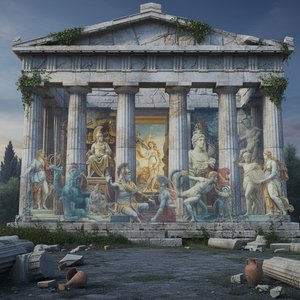
Echoes of Olympus: Mythological Narratives in Western Art Through the Ages
Explore the captivating history of mythological narratives in Western art! From ancient Greece to modern masterpieces, discover iconic artworks & symbolism. Expert analysis and high-quality reproductions at OriginalUniqueArt.

Barokní drama: Umění, které vnáší velkolepost do domova
Objevte velkolepost barokního stylu v interiéru! Průvodce klíčovými prvky, inspirace a tipy pro integraci do moderního bydlení. Reprodukce umění s .

The Dramatic Flourish: Exploring the Baroque Movement's Enduring Legacy in Art History
Explore the dramatic world of Baroque art! Discover iconic artists like Caravaggio & Rubens, defining techniques, and its lasting impact on art history. Expert insights for collectors & enthusiasts at OriginalUniqueArt.

Barokní mistrovská díla: 10 obrazů, které definovaly umělecký styl | OriginalUniqueArt.cz
Objevte 10 ikonických děl barokního umění – od Caravaggia po Rembrandta. Ponořte se do příběhů mistrů, technik a emocí tohoto velkolepého období. Reprodukce obrazů nejvyšší kvality na OriginalUniqueArt.com! Prozkoumejte celou kolekci online.
