

 Zobrazit v interiéru
 Odeslat
 Sdílet
 Podrobnosti
 Průvodce

 Stáhnout obrázek
 Podobné kousky
 Rentgenové snímky
 Slideshow
 Statistiky
Potro Rojo


 Přečíst si více
Umělecké dílo zobrazené na této stránce je chráněno autorským zákonem, což znamená, že nemůžeme legálně vytvářet ani prodávat jeho identickou reprodukci. Tato ochrana je vymáhána na základě mezinárodních dohod, jako například Berberská úmluva a národními zákony, včetně těch stanovených v Americký autorský zákon – Díl 17. Všechna práva vyhrazena.
Tato metoda je plně v souladu s autorským právem, protože nezahrnuje kopírování ani duplikování chráněného díla. Jde o kreativní reinterpretaci – nový obraz, který je inspirován originálem, ale není s ním identický.
Giclée / Umělecký tisk
Giclée nebo plátěný tisk muzeální kvality s rychlou výrobou a širokou nabídkou povrchových úprav. ( Objednat ručně malovanou reprodukci Přepnout na digitální verzi obrazu)




P118B Kč10

P118H Kč10

P118W Kč10

P438Z Kč10

P508JH Kč12

P508YH Kč12

P805H Kč10

P805Z Kč10

P919BZ Kč10

P919G Kč10

P919XJ Kč10

P959ZH Kč10

P968JZ Kč12

W106C Kč8

W218G Kč10

W218JH Kč8

W218Y Kč10

W307PJ Kč10

W316G Kč10

W316PJ Kč8

W316Y Kč10

W398PJ Kč8

W4111J Kč10

W500HY Kč15

W500JH Kč15

W692G Kč12

W849H Kč8

W940BG Kč15

W953PJ Kč8




Vyberte si z našich přednastavených velikostí, které odpovídají původním proporcím díla.

Zadejte šířku a výšku, které potřebujete pro váš rám nebo stěnu. Tisk lze pouze oříznout, nikdy však nelze zvětšit obraz nad jeho původní rozměr, proto při výběru jiného formátu dochází ke ztrátě části obrazu. Před samotným tiskem vám zašleme digitální náhled k schválení. Obraz zobrazený na této stránce nenabízí skutečný výřez — ten uvidíte pouze v náhledu.
Celosvětové doručení () do 2 týdnů namísto standardních 4/5 týdnů. (25 říjen)

Zdarma celosvětová expresní doprava

Vysoce kvalitní lněné plátno

Úplné pojištění přepravy

Záruka vrácení celního poplatku

Záruka věrného barevného shodu

100dení lhůta pro vrácení zboží (pouze při vadách výroby)

100% garance vrácení peněz

Sleva při více objednávkách
 Skleněná varianta je dostupná pouze u rozměrů menších než 110 cm

Potro Rojo
Giclée / Umělecký tisk
Velikost reprodukce
-


Celková cena
Kč 1709
The Quiet Majesty of Claudio Bravo’s Potro Rojo
In the realm of hyperrealism, few artists possess the ability to capture the profound stillness of a single moment as masterfully as the Chilean visionary Claudio Bravo. His work Potro Rojo serves as a breathtaking testament to this skill, presenting a scene that transcends mere representation to reach a state of poetic meditation. The painting depicts a solitary brown horse, its powerful form anchored firmly within a landscape of soft, grassy terrain. As the creature bows its head toward the earth, there is an intimate sense of vulnerability and peace, as if the viewer has stumbled upon a private ritual of nature. Though the title suggests a vibrant warmth, the execution invites us into a monochromatic or desaturated world where light and shadow perform a delicate dance, stripping away the distractions of color to reveal the raw, structural elegance of the subject.
The technique employed in Potro Rojo is nothing short of miraculous, showcasing Bravo’s legendary command over texture and luminosity. Every strand of the horse's mane and every subtle contour of its muscular anatomy is rendered with a meticulous precision that blurs the line between painting and photography. This hyperrealist approach does not merely aim for accuracy; it seeks to heighten our sensory perception. One can almost feel the coarse texture of the coat and the dampness of the earth beneath the hooves. By utilizing a palette that leans into the classic, timeless feel of black and white tones, Bravo elevates the subject matter from a simple pastoral scene to an iconic study of form. The way light catches the curve of the horse's neck creates a sculptural quality, making the figure appear almost three-dimensional within its frame.
Beyond its technical brilliance, the artwork carries a deep emotional resonance that makes it a profound choice for discerning collectors and interior designers alike. There is a rhythmic, breathing quality to the composition; the downward gaze of the horse creates a circularity of movement that draws the eye inward, fostering a sense of tranquility and introspection. For those looking to curate a space of sophistication and calm, this piece offers an anchor of quiet strength. It does not shout for attention but rather commands it through its dignified presence. Whether placed in a contemporary gallery setting or integrated into a classic, richly textured room, Potro Rojo acts as a window into a world of serene beauty, reminding us of the profound grace found in the simplest movements of the natural world.
Otázky a odpovědi
Do které fáze tvorby Claudio Bravo spadá dílo „Potro Rojo“, vzhledem k jeho datování?
„Potro Rojo“, vytvořené v roce 1997, patří do Mature Period tvorby umělce Claudio Bravo.
Jakou úroveň kontrastu vykazuje „Potro Rojo“ od Claudio Bravo?
Kontrast světla a stínu u díla „Potro Rojo“ je klasifikován jako Bold. Kontrast popisuje, jak výrazně se liší světlé a tmavé oblasti.
Jakým způsobem barvy díla „Potro Rojo“ od Claudio Bravo navazují na jeho emoce?
„Potro Rojo“ od Claudio Bravo kombinuje paletu Dark s Tranquil tónem.
Biografie umělce
A Chilean Visionary: The Life and Art of Claudio Bravo
Claudio Bravo, a name synonymous with hyperrealism, emerged from the vibrant cultural landscape of Valparaíso, Chile, in 1936. His journey was one of remarkable dedication to his craft, evolving from early portrait commissions undertaken to excel in school to becoming an internationally celebrated artist whose works bridge European traditions and Latin American sensibilities. Born into a family where artistic inclination wasn’t immediately encouraged – his father, a businessman, initially viewed art as impractical – Bravo nonetheless found support that nurtured his burgeoning talent. This came through the guidance of Miguel Venegas Cifuentes, who provided Bravo's sole formal training for nearly a decade, instilling in him a foundational realist style that would become the hallmark of his oeuvre. Even as a young man, Bravo’s skill was evident; he quickly gained recognition as a portraitist within Chile, but an insatiable desire to explore the wider art world beckoned him towards Europe.From Madrid Society to the Allure of Packages
The late 1950s saw Bravo embark on a transformative period in Madrid, Spain. Establishing himself as a sought-after portraitist among high society, he honed his technical skills and developed an acute understanding of light and form – influences deeply rooted in the works of Renaissance and Baroque masters like Velázquez, Zurbarán, and Cotán. These artists weren’t merely admired; they were studied intensely, informing Bravo’s meticulous approach to composition, lighting, and subject matter. He painted prominent figures—from Franco’s daughter to Ferdinand and Imelda Marcos—but a shift was brewing within his artistic vision. Around 1963, inspired by the simple beauty of wrapped packages brought home by his sisters and the abstract color fields of artists like Mark Rothko, Bravo began incorporating these everyday objects into his paintings. This marked the beginning of his iconic “package” period, an exploration of concealment, mystery, and the inherent aesthetic qualities found in the mundane. His first major exhibition at Galería Fortuny showcased this new direction, captivating audiences with its unexpected subject matter and breathtaking realism. The packages weren’t simply depicted; they were imbued with a sense of history, texture, and hidden narratives, inviting viewers to contemplate their origins and significance.Tangier’s Embrace: A Synthesis of Influences
In 1972, Bravo sought a change of scenery, relocating to Tangier, Morocco, where he would reside for much of the remainder of his life. This move proved pivotal, allowing him to synthesize the diverse influences that had shaped his artistic journey. While continuing to accept portrait commissions and create meticulously detailed still lifes, he expanded his creative repertoire to include drawings, lithographs, engravings, and even figural bronze sculptures. Tangier’s unique light, vibrant culture, and proximity to both Europe and Africa infused his work with a new energy and spiritual depth. The influence of Surrealism became increasingly apparent in his compositions, characterized by dreamlike juxtapositions and ethereal backgrounds. Bravo wasn't simply replicating reality; he was interpreting it through a lens informed by Renaissance technique, Baroque drama, and the evocative power of the subconscious. He began to incorporate elements of Moroccan culture into his work, depicting local costumes, landscapes, and architectural details with remarkable accuracy and sensitivity.A Legacy of Hyperrealism and Enduring Impact
Claudio Bravo’s death in 2011 marked the end of an era, but his artistic legacy continues to resonate with collectors and art enthusiasts worldwide. He is rightfully recognized as a leading figure in hyperrealism, celebrated for his unparalleled technical mastery, meticulous attention to detail, and ability to imbue even the most ordinary subjects with profound emotional resonance. His paintings are held in prestigious collections such as The Metropolitan Museum of Art, the Museo Nacional de Bellas Artes in Santiago, and the Museum Ludwig in Cologne, a testament to his enduring significance within art history. Bravo’s work transcends mere imitation; it is an exploration of perception, symbolism, and the beauty inherent in both the tangible and the intangible. He demonstrated that hyperrealism wasn't simply about replicating reality but about revealing its hidden depths and evoking a powerful emotional response in the viewer. Bravo’s ability to elevate everyday objects into works of art challenges conventional notions of beauty and artistic merit. His paintings are not just visually stunning; they invite contemplation, prompting viewers to consider the stories behind the seemingly mundane. He remains a source of inspiration for those seeking to master the fundamentals of painting while pushing the boundaries of realism.- His influence can be seen in contemporary artists who strive for similar levels of technical precision and evocative storytelling.
- Bravo’s ability to elevate everyday objects into works of art challenges conventional notions of beauty and artistic merit.
- He remains a source of inspiration for those seeking to master the fundamentals of painting while pushing the boundaries of realism.
Early Life and Artistic Beginnings
Claudio Nelson Bravo Camus was born on Nov. 8, 1936, in Valparaíso, Chile, and grew up on his family’s farm in Melipilla, where his father was a wealthy landowner who had three ranches. Bravo was expected to follow in his father's footsteps as the main carer of his family’s land and the cattle raised on it. However, the young man was completely disinterested in this path and chose to pursue art instead. He once said, “I always thought I had a great responsibility being the oldest male child. I wanted to get rid of it and become a painter. I refused to have anything to do with my family’s business affairs.” As a young boy, Bravo was formally educated in Jesuits schools in Santiago. Obsessed with drawing, he filled his notebooks with doodles. His passion paid off. In 1954, the Prefect of his elementary school discovered them and decided he had talent. He took Bravo to the studio of Miguel Venegas, and the boy began studying art. Naturally, Bravo’s father didn’t approve, and often warned him with harsh words, saying, “You’ll starve. You’ll be a flop, a bum.” In contrast, Bravo’s mother, Laura Camus Gómez (who was an amateur artist in her youth) fully supported her son’s artistic endeavors. Bravo studied under Venegas for three years, which was the only formal instruction the artist ever received during his lifetime.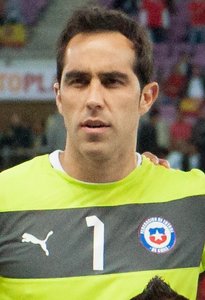
Claudio Bravo
1936 - 2011 , Chile
Rychlé informace
- Artistic Movement Or Style: Hyperrealismus
- Artists Or Movements Influenced By This Artist:
- Renesanční
- Barokní
- Artists Who Influenced This Artist:
- Velázquez
- Zurbarán
- Dalí
- Date Of Birth: 1936
- Date Of Death: 2011
- Full Name: Claudio Bravo Muñoz
- Nationality: Čilský
- Notable Artworks:
- Untitled (509)
- Untitled (401)
- Untitled (426)
- Place Of Birth: Valparaíso, Chile
Související články
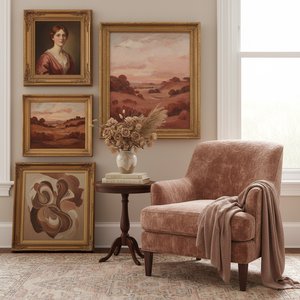
Top 10 slavných obrazů v odstínech růžové a hnědé – inspirace pro váš interiér | OriginalUniqueArt.cz
Objevte top 10 slavných obrazů v odstínech růžové a hnědé od Monet, Renoir a dalších mistrů. Inspirace pro váš interiér s reprodukcemi nejvyšší kvality na OriginalUniqueArt.cz! Prozkoumejte celou kolekci online.
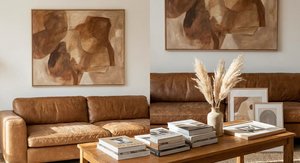
Top 10 slavných obrazů v odstínech písečné hnědé – inspirace pro váš interiér | OriginalUniqueArt.cz
Objevte top 10 slavných obrazů v odstínech písečné hnědé od Van Gogha, Rembrandta a dalších mistrů! Inspirace pro váš interiér s reprodukcemi nejvyšší kvality. OriginalUniqueArt – umění pro váš domov.
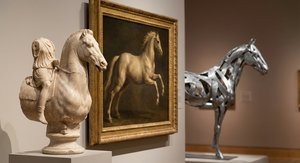
The Noble Steed: A Historical and Artistic Exploration of Horses in Fine Art
Explore the rich history of horses in fine art! From ancient depictions to Renaissance masterpieces & beyond, discover iconic artworks and artists. Learn about symbolism, techniques, and find museum-quality reproductions at OriginalUniqueArt.

The Equine Muse: A Historical & Artistic Exploration of Horses in Painting
Explore the captivating history of horses in painting! Discover Renaissance masterpieces, Baroque grandeur & expert insights for collecting equestrian art. Learn about symbolism, techniques & lasting value with OriginalUniqueArt.

The Noble Steed on Canvas: A Historical & Artistic Exploration of Horse Painting Across Cultures
Explore the rich history of horse painting! Discover masterpieces from Stubbs to Munnings & learn about symbolism, techniques & artists. Find museum-quality reproductions at OriginalUniqueArt.