Přepnout na tisk
 Zobrazit více







































 U děl nebo reprodukcí, u nichž je jakákoliv strana větší než 105 cm (přibližně 41 palců), bude rám dodán jako sestava v rozloženém stavu. Tato metoda zajišťuje bezpečné doručení a chrání dílo před poškozením během přepravy.


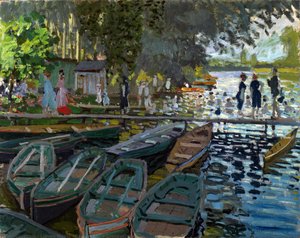
Water Lilies (30) – A Glimpse into Monet’s Paradise
Claude Monet's *Water Lilies (30)* transcends mere depiction; it’s an invitation to immerse oneself in the tranquil beauty of nature and experience the very essence of Impressionism. Painted in 1908, this monumental oil on canvas captures a pivotal moment in Monet’s artistic journey – his unwavering dedication to portraying the ephemeral qualities of light and water at Giverny, his beloved garden transformed into an outdoor studio. More than just flowers floating on a pond, it embodies a profound exploration of perception and emotion.Subject & Composition: A Floating World
The painting presents a breathtaking close-up view of water lilies resting serenely upon the surface of a pond. Monet deliberately eschewed traditional compositional conventions, abandoning the horizon line to envelop the viewer in an expansive environment – one *of* water rather than a vista *over* it. This decision immediately establishes a sense of serenity and immersion, mirroring the artist’s intention to capture not just what he saw but how he felt when observing this idyllic scene. The dominant hues are shades of blue and green, harmoniously blended to create an atmosphere that is both calming and stimulating. Scattered yellow flowers punctuate the composition, their delicate forms rendered with loose, expressive brushstrokes that dance across the canvas. Subtle reflections shimmer on the water’s surface, adding depth and a captivating illusion of movement – hinting at the elusive nature of light itself.Impressionistic Technique: Capturing Fleeting Moments
Monet's genius lies in his masterful manipulation of Impressionist technique. He employed short, broken brushstrokes—a hallmark of the movement—to build up layers of color and texture. This wasn’t about achieving photographic accuracy; it was about conveying *the impression* of a scene as perceived by the eye at a specific instant in time. Imagine Monet painstakingly applying paint with his palette knife, blending colors subtly to create an almost translucent quality that allows light to penetrate through the canvas. The layering process is deliberate and meticulous, resulting in a surface that vibrates with luminosity—a testament to Monet’s unwavering commitment to capturing the fleeting effects of sunlight on water.Historical Context: Beyond Representation
Painted during a transformative period in art history, *Water Lilies (30)* represents a decisive break from academic painting traditions. Monet and his Impressionist contemporaries rejected the constraints imposed by realism, prioritizing subjective experience and sensory perception. They sought to express not what was objectively present but how they felt when encountering beauty—a radical departure that paved the way for modern art as we understand it today. This artistic rebellion wasn’t merely stylistic; it reflected a broader intellectual shift toward valuing emotion and intuition alongside observation.Symbolism & Emotional Impact
Beyond its aesthetic brilliance, *Water Lilies (30)* carries profound symbolic weight. The water lilies themselves are universally recognized as emblems of purity, beauty, and rebirth – motifs frequently associated with spirituality and contemplation. Monet’s deliberate choice to focus solely on this tranquil landscape speaks to his desire to capture not just visual splendor but also the inner peace that comes from communion with nature. Viewing this artwork evokes a feeling of serenity, wonder, and perhaps even nostalgia—a reminder of the enduring power of Impressionism to transport us back to a moment of sublime beauty.Otázky a odpovědi
Pro jaké místo a za jakým účelem se doporučuje dílo "Žluté lípy (30)"?
Dílo „Žluté lípy (30)“ je doporučeno pro Relaxace a ideálním prostorem pro jeho umístění je Obývací pokoj.
Jak se u díla „Žluté lípy (30)“ od Claude Monet propojují emoce a ideální příležitost k darování?
„Žluté lípy (30)“ vyzařuje Pokojný pocit a jako ideální dárek pro tento kus umění doporučujeme Výročí.
Pod jakými dalšími jmény nebo pseudony je Claude Monet známý/á?
Claude Monet je známý/á také pod jmény Oscar-Claude Monet, Claude Oscar Monet.
 Náhled v interiéru
 Sdílet
 Sdílet
 Podrobnosti o díle
 Průvodce

 Stáhnout
 Podobné položky
 Rentgenové snímky
 Slideshow
 Q&A
Q&A Statistiky