Přepnout na tisk
 Zobrazit více







































 U děl nebo reprodukcí, u nichž je jakákoliv strana větší než 105 cm (přibližně 41 palců), bude rám dodán jako sestava v rozloženém stavu. Tato metoda zajišťuje bezpečné doručení a chrání dílo před poškozením během přepravy.


Claude Monet’s Water Lilies: A Symphony of Light and Tranquility
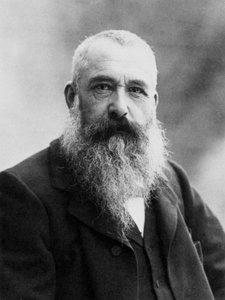
Claude Monet, a name synonymous with Impressionism, wasn't merely a painter of landscapes; he was a chronicler of fleeting moments, a poet of light and color. Born in Paris on November 14, 1840, his early life took an unexpected turn when his family relocated to Le Havre, Normandy, at the age of five. While initially destined for a commercial career by his father, young Claude’s innate artistic talent quickly surfaced, manifesting first in charcoal caricatures sold locally – a testament to both his skill and entrepreneurial spirit. However, it was his encounter with Eugène Boudin that proved pivotal. Boudin didn't just teach Monet *how* to paint; he instilled within him the revolutionary idea of painting en plein air—directly from nature—a practice that would define his entire artistic journey.
Monet’s formal training began in Paris, briefly at the Acadéemie Beaux-Arts, where he was initially rejected for his unconventional approach. Despite this setback, he persevered, honing his skills and developing a distinctive style that prioritized capturing the ephemeral qualities of light and atmosphere—a hallmark of Impressionism.
The Birth of a Masterpiece: Inspiration from Giverny
Monet’s artistic vision found its ultimate expression in his garden at Giverny, France. Recognizing the transformative power of natural illumination, he embarked on an ambitious project to depict his pond and surrounding flora with unprecedented detail and vibrancy. This endeavor became the cornerstone of his prolific output during the latter half of his life, resulting in over 250 paintings that collectively constitute one of the most iconic collections of Impressionist art.
The garden itself served as a laboratory for Monet’s experimentation—a space where he meticulously observed and recorded the subtle shifts in color and light throughout the seasons. He painstakingly recreated his beloved lily pond, incorporating Japanese bridges and weeping willows to create an immersive environment that stimulated his artistic senses.
Impressionist Technique: Embracing Fleeting Light
Monet’s technique—characterized by loose, expressive brushstrokes—was deliberately designed to convey the sensation of light rather than a precise representation. He applied paint in layers, blending colors on the canvas to achieve luminous effects that captured the shimmering surface of the water and the dappled sunlight filtering through the foliage. This approach departed radically from academic conventions, prioritizing subjective perception over objective accuracy.
The artist’s meticulous attention to detail—particularly in capturing the reflections of clouds on the pond—demonstrates his mastery of Impressionist principles. Monet skillfully utilized complementary colors—such as blues and oranges—to heighten visual impact and create a harmonious balance within each composition.
Symbolism and Emotional Resonance: Tranquility and Renewal
The water lilies themselves hold profound symbolic significance, representing purity, renewal, and tranquility—qualities that resonate deeply with viewers seeking solace and contemplation. Monet’s paintings evoke a meditative mood, inviting observers to pause amidst the bustle of daily life and appreciate the beauty of the natural world.
More than just visual representations, Monet's Water Lilies are expressions of his innermost feelings—a testament to his lifelong fascination with capturing the fleeting moments of beauty that surround us. They embody a spirit of optimism and wonder, reminding us of the enduring power of art to inspire awe and elevate our understanding of existence.
A Timeless Addition for Art Lovers and Interior Design
This high-quality reproduction offers art enthusiasts and interior designers an opportunity to bring a piece of Impressionist brilliance into their spaces. Its serene palette complements a variety of decor styles, from classic to contemporary—creating a harmonious atmosphere that fosters calm and inspiration.
Otázky a odpovědi
Mohu si prohlédnout "Vodní líny" v celoplátno formátu slideshow?
Diaporama díla „Vodní líny“ si můžete prohlédnout na stránce Slideshow.
K jakému použití je doporučována tisková reprodukce díla „Vodní líny“?
Reprodukci díla „Vodní líny“ od Claude Monet doporučujeme pro Relaxace. Toto doporučení vychází z tématu, nálady a barevnosti tohoto díla.
Jakou technickou quite byla dílo "Vodní líny" vytvořeno a jaká je jeho velikost?
Dílo „Vodní líny“ je vytvořeno v technice Olej na plátně a v původní podobě má rozměry 200 x 213 cm.
 Náhled v interiéru
 Sdílet
 Sdílet
 Podrobnosti o díle
 Průvodce

 Stáhnout
 Podobné položky
 Rentgenové snímky
 Slideshow
 Q&A
Q&A Statistiky