Impresionismus · 1917
Včelky (Claude Monet, 1917)
Claude Monet (1840–1926) vytvořil dílo Včelky. Pochází z roku 1917. Patří k hnutí Impresionismus. Je vyrobeno z Olej na plátně. Nachází se v Toledo Museum of Art v Toledo, Spojené státy americké.
- 1917
- Olej na plátně
- Toledo Museum of Art

 Náhled v interiéru

 Ručně malovaná olejná reprodukce
 Sdílet
 Sdílet
 Informační list


 Stáhnout
 Podobné položky
 Rentgenové snímky
 Slideshow
 Otázky a odpovědi

 Statistiky
Včelky v kostce
- Název díla
- Včelky
- Autor
- Claude Monet (1840–1926)
- Rok narození umělce
- Paříž, Francie
- Datum vytvoření
- 1917
- Technika
- Olej na plátně
- Kde jej vidět
- Toledo Museum of Art, Toledo, Spojené státy americké
- Pohyb
- Impresionismus
- Období
- – 19. století
- Motiv
- lilie vodní, impresionismus, giverny, monet, rybník, květy
Co przedstawuje dílo Včelky?
A Glimpse into Monet's Tranquil World: Water Lilies
Claude Monet’s "Water Lilies" series stands as an enduring testament to the power of Impressionism and the artist's profound connection with nature. Created over three decades, culminating in 1917, these paintings offer a serene escape into the meticulously cultivated gardens of his home in Giverny, France. More than just depictions of flowers, they represent Monet’s innovative exploration of light, color, and perception, solidifying his legacy as a pioneer of modern art.
Impressionistic Technique & Artistic Innovation
The "Water Lilies" paintings are quintessential examples of Impressionism's core principles. Monet abandoned traditional academic techniques in favor of capturing the fleeting effects of light and atmosphere. He employed short, broken brushstrokes – a hallmark of his style – to create a shimmering surface that evokes the movement of water and the play of sunlight on its surface. Color is prioritized over precise form; outlines are blurred, and hues blend seamlessly, creating an almost dreamlike quality. The series includes approximately 250 paintings, each unique yet unified by their subject matter and Monet’s distinctive approach. Notably, later works in the series move away from a clear horizon line, immersing the viewer entirely within the water garden itself – a revolutionary concept for its time.
Historical Context & Personal Journey
The creation of "Water Lilies" coincided with a period of significant personal and historical change. Monet began painting these scenes in the late 1890s, establishing his iconic water garden at Giverny. The series continued through World War I, during which time Monet experienced declining eyesight due to cataracts. This visual impairment profoundly impacted his artistic process; he relied increasingly on memory and intuition, resulting in even more abstract and expressive compositions. The dedication of the large-scale "Water Lilies" decorations to France as a monument to peace after the war underscores the series' symbolic significance – representing hope, tranquility, and the restorative power of nature amidst turmoil.
Symbolism & Emotional Resonance
Beyond their aesthetic beauty, the “Water Lilies” paintings carry layers of symbolism. Water lilies themselves have long been associated with purity, rebirth, and enlightenment in various cultures. Monet’s repeated depiction of these flowers suggests a fascination with their ephemeral nature – their ability to bloom and fade within a single day. The reflections on the water's surface symbolize the interplay between reality and perception, inviting viewers to contemplate the subjective experience of seeing. The overall effect is profoundly calming and meditative; the paintings evoke a sense of peace, tranquility, and connection with the natural world—a refuge from the anxieties of modern life.
Bringing Monet’s Vision Home
OriginalUniqueArt offers exquisite, hand-painted oil painting reproductions of Claude Monet's "Water Lilies," allowing you to experience the beauty and serenity of Giverny in your own home. Each reproduction is meticulously crafted by skilled artists who strive to capture the original's vibrant colors, delicate brushstrokes, and overall emotional impact. Whether you are an avid art collector, a design enthusiast seeking inspiration, or simply someone who appreciates the timeless appeal of Impressionism, a "Water Lilies" reproduction is a stunning addition to any space.
Ve kterém muzeu se nachází Včelky?
Toledo Museum of Art
Toledo, Spojené státy americké
Původy a dějiny instituce Toledo Museum of Art se zrodilo v roce 1901 z hlubokého přesvědčení Edwarda Drummonda Libbeyho. Libbey, povoláním sklář, usiloval o to, aby vizuální kultura zůstala přístupná všem – což je princip, který zůstává klíčovým pilířem identity této instituce. Tento závazek se odráží v trvající politice bezplatného vstupu pro širokou veřejnost, praktikě udržované od okamžiku založení s cílem odvrátit sociální bariéry k umění.


Vysokorozlišené fotografie díla Včelky

Claude Monet, Včelky (1917), Toledo Museum of Art. Veřejná doména
Odpovědi na otázky k dílu Včelky
Které muzeum uchovává originál díla "Včelky"?
Originál díla „Včelky“ si můžete prohlédnout v instituci Toledo Museum of Art, Toledo, Spojené státy americké.
V jakém roce vzniklo dílo „Včelky“ od Claude Monet?
Dílo „Včelky“ od Claude Monet vzniklo v roce 1917.
Jakou technikou je vytvořeno dílo "Včelky"?
Claude Monet pro dílo „Včelky“ použil/a techniku Olej na plátně. Tato technika definuje materiální podstatu originálního díla.
Co zachycuje dílo "Včelky"?
Témata obsažená v díle „Včelky“ od Claude Monet zahrnují lilie vodní, impresionismus, giverny, monet, rybník, květy, klid, krajina. Tato témata společně shrnují obsah celého uměleckého díla.
Lze obraz díla „Včelky“ od Claude Monet volně reprodukovat?
Stav autorských práv pro dílo „Včelky“ od Claude Monet: toto dílo spadá do v rámci volného užití – autorská práva vypršela. To určuje, zda lze volně vytvářet reprodukce tohoto obrazu.
K kterému umělci je dílo "Včelky" připisováno?
Dílo "Včelky" vytvořil/a Claude Monet. Informace na této stránce popisují originální dílo umělce Claude Monet.
K jakému stylu patří „Včelky“?
Umělecký směr, ke kterému patří dílo „Včelky“ od Claude Monet, je Impresionismus. Tato klasifikace toto dílo umísťuje mezi související umělce a další umělecká díla.
Do které období tvorby Claude Monet patří dílo „Včelky“?
„Včelky“ představuje období Pozdní období umělce Claude Monet.
V jakém věku vytvořil/a Claude Monet dílo „Včelky"?
Při vzniku díla „Včelky“ v roce 1917 bylo umělcům Claude Monet (narozenému/é v 1840) 77 let.
O umělci, Claude Monet
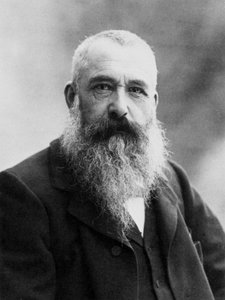
1840–1926, Francie
Claude Monet
Raný život, rodina a vzdělání Claude Monet se narodil 14. listopadu 1840 v Paříži ve Francii a vstoupil do světa plného rozporuplných očekávání. Zatímco jeho otec, Claude-Adolphe Monet, viděl pro svého syna spíše stabilní profesní dráhu, jeho matka, Louise-Justine Aubrée Monet, mu poskytovala tichou oporu v jeho rostoucích tvůrčích sklonnostech. Rodina se nakonec usadila v Le Havru v Normandii, kde pobřežní atmosféra zanechala na mladém chlapci nezastupitelnou stopu.
Také od autora Claude Monet
 Lekníny (nebo Vodní lilie)1916
 Impression, východ slunce1872
 Sena: Sněhový efekt1891
 Výlet. Žena s plachtou1875

Eseje k tématu Včelky
 Capturing Light: The 25 Most Iconic Masterpieces by Claude MonetExplore 25 iconic Claude Monet masterpieces and the magic of Impressionism. Discover the full collection online at OriginalUniqueArt.com.
 Claude Monet’s Water Lilies: A Study of Light and Impressionist TechniqueExplore Monet's mastery of light and Impressionist technique. Discover the depth of his Water Lilies series now.
 Comparing American Impressionism and French ImpressionismDiscover the key differences in style and subject between American and French Impressionism. Master the nuances of these art movements now.