Impressionism · 1883
Cobeas (Claude Monet, 1883)
Claude Monet (1840–1926) vytvořil dílo Cobeas. Pochází z roku 1883. Patří k hnutí Impressionism. Je vyrobeno z Oil On Canvas.
- 1883
- Oil On Canvas

 Náhled v interiéru

 Ručně malovaná olejná reprodukce
 Sdílet
 Sdílet
 Informační list


 Stáhnout
 Podobné položky
 Rentgenové snímky
 Slideshow
 Otázky a odpovědi

 Statistiky
Cobeas v kostce
- Název díla
- Cobeas
- Autor
- Claude Monet (1840–1926)
- Rok narození umělce
- Paříž, Francie
- Datum vytvoření
- 1883
- Technika
- Oil On Canvas
- Pohyb
- Impressionism
- Období
- 19th Century
- Motiv
- floral impressionism, garden scene art, monet landscape, vibrant colors, nature painting, light and color
Co przedstawuje dílo Cobeas?
A Symphony of Blossoms: Exploring Monet’s “Cobeas”
Claude Monet, a pivotal figure in the development of Impressionism, gifted the world with paintings that captured not just what he *saw*, but how light and atmosphere transformed his perceptions. Created in 1883, "Cobeas" is a captivating example of this artistic philosophy – a vibrant celebration of nature’s fleeting beauty rendered with characteristic looseness and brilliance. This artwork isn't merely a depiction of flowering vines; it’s an immersive experience of a sun-drenched garden, inviting the viewer to step into a world of color and light.Subject & Composition: A Garden in Full Bloom
“Cobeas” focuses on the cascading beauty of climbing flowers – likely cobaea vines, known for their bell-shaped blossoms – against a warm, golden backdrop. The composition is dynamically vertical, emphasizing the upward reach and exuberant growth of the plant. Rather than a meticulously detailed botanical study, Monet presents an *impression* of a garden scene. A sense of depth is suggested not through strict perspective, but through layering of color and form. The eye is drawn upwards along the vines, creating a feeling of movement and vitality.Impressionistic Technique: Capturing Fleeting Light
Monet’s mastery lies in his revolutionary technique. He eschewed traditional blending methods, instead employing short, broken brushstrokes to build up layers of color. This approach allows the colors to mix optically in the viewer's eye, creating a shimmering, vibrant effect that mimics the way light plays on natural forms. The use of complementary colors – deep purples and reds against yellows and greens – heightens the visual impact and adds to the painting’s overall luminosity. The texture is palpable; you can almost feel the warmth of the sun and the gentle breeze rustling through the leaves.Historical Context & Artistic Innovation
By 1883, Monet was firmly established as a leading figure in the Impressionist movement. He had already challenged academic conventions with his *plein air* painting – working outdoors directly from nature – and his focus on capturing momentary effects of light and color. “Cobeas” exemplifies this commitment. It’s a departure from the historical or mythological subjects favored by earlier artists, instead celebrating the beauty of everyday life and the natural world. This shift in subject matter was radical for its time and paved the way for modern art.Symbolism & Emotional Resonance
While not overtly symbolic, “Cobeas” evokes a sense of joy, abundance, and the ephemeral nature of beauty. The flowering vines represent growth, vitality, and the cyclical rhythms of life. The painting’s overall warmth and luminosity create a feeling of optimism and tranquility. It's an invitation to pause, appreciate the present moment, and find solace in the beauty that surrounds us. It is a testament to Monet’s ability to translate his personal experience of nature into a universally resonant emotional landscape.Bringing “Cobeas” Into Your Space
- Explore our collection of Claude Monet's paintings.
- Discover more about the fascinating world of Impressionism and its key artists.
- Learn about The Art of Painting Styles.
Vysokorozlišené fotografie díla Cobeas
Claude Monet, Cobeas (1883). Veřejná doména
Odpovědi na otázky k dílu Cobeas
V jakém roce vzniklo dílo "Cobeas"?
Dílo "Cobeas" pochází z roku 1883. Toto datum situuje dílo do období tvůrčí činnosti Claude Monet i do jeho dobové kontextu.
Jakou techniku bylo použito pro dílo „Cobeas“ od Claude Monet?
Claude Monet pro dílo „Cobeas“ použil/a techniku Oil On Canvas. Tato technika definuje materiální podstatu originálního díla.
Co zachycuje dílo „Cobeas“ od Claude Monet?
„Cobeas“ od Claude Monet zobrazuje: floral impressionism, garden scene art, monet landscape, vibrant colors, nature painting, light and color, french impressionism.
Patří „Cobeas“ od Claude Monet do volného tisku?
Stav autorských práv pro dílo „Cobeas“ od Claude Monet: toto dílo spadá do v rámci volného užití – autorská práva vypršela. To určuje, zda lze volně vytvářet reprodukce tohoto obrazu.
K kterému umělci je dílo "Cobeas" připisováno?
Dílo "Cobeas" vytvořil/a Claude Monet. Informace na této stránce popisují originální dílo umělce Claude Monet.
K kterému uměleckému směru patří „Cobeas“ od Claude Monet?
Umělecký směr, ke kterému patří dílo „Cobeas“ od Claude Monet, je Impressionism. Tato klasifikace toto dílo umísťuje mezi související umělce a další umělecká díla.
Do které období tvorby Claude Monet patří dílo „Cobeas“?
„Cobeas“ představuje období Mature Period umělce Claude Monet.
V jakém věku vytvořil/a Claude Monet dílo „Cobeas"?
Claude Monet vytvořil/a dílo „Cobeas“ v возрасте 43 let. Umělec se narodil/a v 1840 a dílo je datováno na 1883.
Jak lze vysvětlit situaci s autorskými právy u díla „Cobeas“ od Claude Monet?
Autorskoprávní status díla „Cobeas“ – v rámci volného užití – autorská práva vypršela – vyplývá ze smrti umělce v roce 1926.
O umělci, Claude Monet
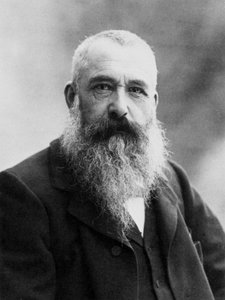
1840–1926, Francie
Claude Monet
Raný život, rodina a vzdělání Claude Monet se narodil 14. listopadu 1840 v Paříži ve Francii a vstoupil do světa plného rozporuplných očekávání. Zatímco jeho otec, Claude-Adolphe Monet, viděl pro svého syna spíše stabilní profesní dráhu, jeho matka, Louise-Justine Aubrée Monet, mu poskytovala tichou oporu v jeho rostoucích tvůrčích sklonnostech. Rodina se nakonec usadila v Le Havru v Normandii, kde pobřežní atmosféra zanechala na mladém chlapci nezastupitelnou stopu.
Také od autora Claude Monet
 Lekníny (nebo Vodní lilie)1916
 Impression, východ slunce1872
 Sena: Sněhový efekt1891
 Výlet. Žena s plachtou1875
Eseje k tématu Cobeas
 Claude Monet’s Giverny: The Living Canvas of Impressionist Light and WaterExplore the luminous world of Monet's Giverny through expert historical insight. Step into his living canvas today.
 French artworks of the 1880sFrench Impressionist masterpieces by Claude Monet, Pierre-Auguste Renoir, and Georges Seurat. Find museum-quality reproductions on Original…
 Capturing Fleeting Moments: Light, Color & Emotion in Impressionistic ArtExplore the captivating world of Impressionism! Discover the techniques, artists (Monet, Renoir, Degas), and enduring legacy of this revolu…