

 Zobrazit v interiéru
 Odeslat
 Sdílet
 Podrobnosti
 Průvodce

 Stáhnout obrázek
 Podobné kousky
 Rentgenové snímky
 Slideshow
 Statistiky
Jean-Baptiste Colbert


 Přečíst si více
Giclée / Umělecký tisk
Giclée nebo plátěný tisk muzeální kvality s rychlou výrobou a širokou nabídkou povrchových úprav. ( Objednat ručně malovanou reprodukci Přepnout na digitální verzi obrazu)




P118B Kč10

P118H Kč10

P118W Kč10

P438Z Kč10

P508JH Kč12

P508YH Kč12

P805H Kč10

P805Z Kč10

P919BZ Kč10

P919G Kč10

P919XJ Kč10

P959ZH Kč10

P968JZ Kč12

W106C Kč8

W218G Kč10

W218JH Kč8

W218Y Kč10

W307PJ Kč10

W316G Kč10

W316PJ Kč8

W316Y Kč10

W398PJ Kč8

W4111J Kč10

W500HY Kč15

W500JH Kč15

W692G Kč12

W849H Kč8

W940BG Kč15

W953PJ Kč8




Vyberte si z našich přednastavených velikostí, které odpovídají původním proporcím díla.

Zadejte šířku a výšku, které potřebujete pro váš rám nebo stěnu. Tisk lze pouze oříznout, nikdy však nelze zvětšit obraz nad jeho původní rozměr, proto při výběru jiného formátu dochází ke ztrátě části obrazu. Před samotným tiskem vám zašleme digitální náhled k schválení. Obraz zobrazený na této stránce nenabízí skutečný výřez — ten uvidíte pouze v náhledu.
Celosvětové doručení () do 2 týdnů namísto standardních 4/5 týdnů. (21 říjen)

Zdarma celosvětová expresní doprava

Vysoce kvalitní lněné plátno

Úplné pojištění přepravy

Záruka vrácení celního poplatku

Záruka věrného barevného shodu

100dení lhůta pro vrácení zboží (pouze při vadách výroby)

100% garance vrácení peněz

Sleva při více objednávkách
 Skleněná varianta je dostupná pouze u rozměrů menších než 110 cm

Jean-Baptiste Colbert
Giclée / Umělecký tisk
Velikost reprodukce
-


Celková cena
Kč 1700
Jean-Baptiste Colbert: A Portrait of Power and Patronage
Claude Lefebvre’s “Portrait of Jean-Baptiste Colbert” – painted in 1666 – is more than just a likeness; it's a carefully constructed statement about the man who shaped the financial destiny of Louis XIV’s France. This arresting portrait, housed within the opulent walls of Versailles, offers a glimpse into the mind and ambition of a figure whose influence reverberates through European history. Lefebvre, a master of capturing both physical presence and subtle character, doesn't simply depict Colbert; he embodies him as a symbol of statecraft and unwavering dedication to the crown.
The painting immediately draws the eye with its masterful use of light and shadow. A strong directional light illuminates Colbert’s face and upper body, highlighting the meticulous details of his attire – the rich black coat adorned with the Order of the Holy Spirit, a visible testament to his elevated status. The intricate lace collar, rendered with remarkable precision, speaks volumes about the wealth and influence he commanded. Lefebvre's skill lies not just in rendering texture but in creating an atmosphere of controlled power; the darkness surrounding Colbert subtly suggests the weighty responsibilities he bore.
The Intendant’s Attire: Symbolism of Office
Colbert’s clothing is a rich tapestry of symbolic meaning. The black coat, a staple of high-ranking officials, represents authority and seriousness of purpose. Crucially, the Order of the Holy Spirit, prominently displayed on his chest, signified his appointment as Intendant – effectively the king's representative in a particular province or region. This wasn’t merely a decorative element; it was a visual declaration of Colbert’s direct link to the monarch and his control over vast territories and resources. The clock, perched atop a statuette of Hercules supporting the globe, is perhaps the most intriguing detail. It serves as a potent metaphor for Colbert's relentless drive and the efficient management he brought to France’s finances – time itself being meticulously measured and controlled in service of the state.
A Man of His Time: Context and Legacy
To understand “Portrait of Jean-Baptiste Colbert,” one must appreciate the historical context. The painting was created during a period of immense transformation for France under Louis XIV, often referred to as the ‘Sun King.’ Colbert’s rise to prominence coincided with a deliberate effort to centralize power, standardize administration, and foster economic growth. He implemented mercantilist policies designed to strengthen France's position on the world stage, establishing lucrative trade routes, promoting manufacturing, and overseeing ambitious public works projects like the construction of Versailles itself. Lefebvre’s portrait captures this pivotal moment – a man at the heart of a nation-building project.
The Enduring Image: A Masterpiece of Portraiture
Lefebvre's “Portrait of Jean-Baptiste Colbert” remains a compelling work not only for its technical brilliance but also for its ability to convey a sense of character. It’s a portrait that invites contemplation, prompting viewers to consider the complexities of power, ambition, and the enduring legacy of a man who fundamentally reshaped France. The painting's meticulous detail, combined with its symbolic richness, ensures its place as a significant example of 17th-century French art – a testament to both the artist’s skill and the subject’s extraordinary influence.
Otázky a odpovědi
Je k dispozici prezentace pro „Jean-Baptiste Colbert“ od Claude Lefebvre?
K dispozici je sklízivka: stránka Diaporama díla „Jean-Baptiste Colbert“ od Claude Lefebvre.
Kde si mohu koupit print díla „Jean-Baptiste Colbert“ od Claude Lefebvre?
Pokud si chcete pořídit tisk díla „Jean-Baptiste Colbert“ od Claude Lefebvre, stačí si jej objednat na jeho stránce Umělecká tiskovina: umělecká tiskovina na bavlněném plátně nebo archivním plátnovém papíře.
Jakým způsobem se dílo „Jean-Baptiste Colbert“ zapojuje do témat a stylu umělce Claude Lefebvre?
Dílo „Jean-Baptiste Colbert“ sdílí s ostatními pracemi umělce Claude Lefebvre charakteristický styl Rococo/Baroque a opakující se témata: lefebvre’s baroque influence, french power, colbert portrait, state symbolism, royal authority, wealth display, courtly life, status reflection.
Biografie umělce
A Legacy of Light and Line
In the grand tapestry of the seventeenth century, few artists captured the quiet dignity of the French nobility with as much grace as Claude Lefebvre. Born in Fontainebleau, the son of the painter Jean Lefèbvre, his artistic journey was deeply rooted in the traditions of his lineage and the prestigious workshops of his era. His early training began within the workshop of Claude d'Hoey at Fontainebleau, providing him with a foundational mastery of form that would later define his career. As he moved toward Paris, his education expanded under the guidance of masters such as Eustache Le Sueur and, most significantly, the legendary Charles Le Brun. While working under Le Brun, Lefebvre likely contributed to the preparation of grand cartoons for the History of the King tapestry series at the Château of Versailles, a period that placed him at the very heart of French royal artistic ambition.
Despite his early exposure to large-scale historical compositions, Lefebvre’s path took a more intimate turn. While Le Brun recognized his talent, he famously encouraged the artist to specialize in portraiture, noting that his compositions for larger narratives were less suited to his particular strengths. This redirection proved transformative. Lefebvre emerged as a leading portraitist of his time, a skill that earned him admission as a member of the Académie Royale de peinture et de sculpture in 1663. His ability to capture the psychological depth and social standing of his subjects allowed him to secure prestigious commissions, including a long-term project for the portrait of Jean-Baptiste Colbert, which he eventually presented at the Château of Versailles.
The Mastery of the Baroque Portrait
Lefebvre’s work is characterized by a profound command of the chiaroscuro technique, using the dramatic interplay of light and shadow to breathe life into his subjects. His portraits are not merely records of faces but evocative windows into the soul, often utilizing a somber yet sophisticated palette of deep blacks, earthy browns, and muted grays. In masterpieces such as A Teacher and his Pupil, one can observe how he directs light to pull figures from an atmospheric darkness into sharp, luminous relief, creating a sense of profound, silent connection. This technical virtuosity extended to his rendering of textures; through meticulous brushwork, he could convey the heavy weight of velvet robes, the crispness of fine lace, and the delicate shimmer of pearls.
His artistic development was further enriched by his travels, particularly his time in England. During his stay in London, he was invited to paint at the court of King Charles II, and it is believed that his style absorbed the elegant influences of Anthony van Dyck. This fusion of French precision and English fluidity helped solidify his reputation as an artist capable of capturing both the regal authority and the refined elegance of the era. His influence also extended to the next generation of painters, as he served as an assistant professor at the Académie, mentoring students such as François de Troy and Jean Cotelle, le jeune.
Historical Significance and Enduring Presence
Though many of Lefebvre’s original paintings have been lost to time—with much of his surviving legacy known through the meticulous engravings of contemporaries like Gérard Edelinck and Pieter van Schuppen—his impact on French portraiture remains undeniable. His work represents a vital chapter in the transition of Baroque sensibilities, blending the grandeur of the French court with an intimate, psychological realism. Today, his contributions are preserved in some of the world's most esteemed institutions, including:
- The Louvre
- The National Portrait Gallery, London
- The Château of Versailles
Lefebvre remains a symbol of the refined artistry that defined the age of Louis XIV, an artist who turned the gaze inward to find the monumental within the personal.

Claude Lefebvre
1632 - 1675 , France
Rychlé informace
- Artistic Movement Or Style: Baroque
- Artists Or Movements Influenced By This Artist:
- François de Troy
- Jean Cotelle, le jeune
- Artists Who Influenced This Artist:
- Claude d'Hoey
- Eustache Le Sueur
- Charles Le Brun
- Anthony van Dyck
- Full Name: Claude Lefèbvre
- Nationality: French
- Notable Artworks:
- A Teacher and his Pupil
- Portrait of Marie De Rabutin-chantals
- Portrait of a gentleman
- Portrait Of A Man
- Place Of Birth: Fontainebleau, France
- Date Of Birth: 1632
- Date Of Death: 1675
Související články
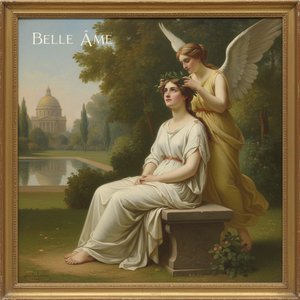
Jules Lefebvre: Master of Academic Realism & the Pursuit of Belle Âme
Explore the captivating figure paintings of Jules Lefebvre (1836-1911), a renowned French academic artist and educator. Discover his masterpieces, signature style, and lasting influence on art history. Shop high-quality reproductions at OriginalUniqueArt.

Oil on Canvas: A Historical & Technical Exploration of a Timeless Artistic Medium
Explore the rich history & enduring techniques of oil painting on canvas. Discover the science behind its longevity, conservation practices, and contemporary relevance. Expert insights for art enthusiasts.

The Enduring Legacy of Oil on Canvas: Technique, History & Aesthetic Impact
Explore the rich history & techniques of oil painting – from Renaissance masters to Impressionism. Discover pigments, layering methods, and why this timeless medium endures. Expert insights for artists & art enthusiasts.

Trvalý odkaz olejomalby: Technika, historie a současná praxe
Prozkoumejte historii a techniky olejomalby s námi! Od středověku po současnost – detailní průvodce pro milovníky umění a profesionály. Objevte tajemství mistrů a inspirujte se.

The Enduring Power of Painting: A Historical & Contemporary Exploration of Form and Emotion
Explore the rich history & enduring techniques of oil painting with OriginalUniqueArt. Discover masterpieces, learn about art collecting, and find authentic handmade reproductions crafted by skilled artists.