
 Náhled v interiéru
 Sdílet
 Sdílet
 Podrobnosti o díle
 Průvodce

 Stáhnout
 Podobné položky
 Rentgenové snímky
 Slideshow
 Otázky a odpovědi
 Statistiky
Spring - a triptych

 Zobrazit více
Umělecké dílo zobrazené na této stránce je chráněno autorským zákonem, což znamená, že nemůžeme legálně vytvářet ani prodávat jeho identickou reprodukci. Tato ochrana je vymáhána na základě mezinárodních dohod, jako například Berberská úmluva a národními zákony, včetně těch stanovených v Americký autorský zákon – Díl 17. Všechna práva vyhrazena.
Tato metoda je plně v souladu s autorským právem, protože nezahrnuje kopírování ani duplikování chráněného díla. Jde o kreativní reinterpretaci – nový obraz, který je inspirován originálem, ale není s ním identický.
Giclée / Umělecký tisk
Giclée nebo plátěný tisk muzeální kvality s rychlou výrobou a širokou nabídkou povrchových úprav. ( Koupit ručně malovaný obraz Přepnout na digitální obraz)




P118B Kč10

P118H Kč10

P118W Kč10

P438Z Kč10

P508JH Kč12

P508YH Kč12

P805H Kč10

P805Z Kč10

P919BZ Kč10

P919G Kč10

P919XJ Kč10

P959ZH Kč10

P968JZ Kč12

W106C Kč8

W218G Kč10

W218JH Kč8

W218Y Kč10

W307PJ Kč10

W316G Kč10

W316PJ Kč8

W316Y Kč10

W398PJ Kč8

W4111J Kč10

W500HY Kč15

W500JH Kč15

W692G Kč12

W849H Kč8

W940BG Kč15

W953PJ Kč8




Vyberte si z našich přednastavených velikostí, které odpovídají původním proporcím díla.

Zadejte šířku a výšku, které potřebujete pro váš rám nebo stěnu. Tisk lze pouze oříznout, nikdy však nelze zvětšit obraz nad jeho původní rozměr, proto při výběru jiného formátu dochází ke ztrátě části obrazu. Před samotným tiskem vám zašleme digitální náhled k schválení. Obraz zobrazený na této stránce nenabízí skutečný výřez — ten uvidíte pouze v náhledu.
Celosvětové doručení () do 2 týdnů namísto standardních 4/5 týdnů. (15 listopad)

Zdarma celosvětová expresní doprava

Vysoce kvalitní lněné plátno

Kompletní pojištění přepravy

Záruka vrácení celního poplatku

Záruka věrného barevného souladu

100dení lhůta pro vrácení zboží (pouze při vadách výroby)

100% záruka vrácení peněz

Sleva při více objednávkách
 Skleněná varianta je dostupná pouze u rozměrů menších než 110 cm

Spring - a triptych
Giclée / Umělecký tisk
Rozměry reprodukce
-


Celková cena za vybrané možnosti reprodukcí
Kč 1753
Biografie umělce
The Soul of the Lens: The Life and Legacy of Clarence Hudson White
In the soft, diffused light of the early twentieth century, a new way of seeing was being born—one that sought to elevate the camera from a mere mechanical tool to a brush capable of profound emotional expression. At the heart of this revolution stood Clarence Hudson White, an artist whose vision transformed the photographic medium into a poetic language of light and shadow. Born in 1871 amidst the idyllic landscapes of small-town Ohio, White’s early life was steeped in the quiet rhythms of rural America. This formative period, characterized by a deep connection to the natural world and the simple dignity of domestic life, would later become the cornerstone of his artistic identity. His sensibilities were further enriched by a childhood fascination with music, particularly the violin, which instilled in him a rhythmic approach to composition and a sensitivity to harmony that would define his photographic eye.
White’s journey into the world of imagery was not one of formal academic training, but rather a serendipitous encounter with the magic of light. A visit to the World's Columbian Exposition in Chicago in 1893 ignited a passion for photography that would consume his life. Though largely self-taught, he possessed an innate ability to manipulate light to achieve a painterly quality, a hallmark of the Pictorialism movement. His work moved away from the sharp, clinical documentation of reality, opting instead for soft focus and evocative textures that suggested mood rather than mere fact. This approach allowed him to capture what many called the "spirit" of his subjects—the tender interplay of sunlight through a window, the gentle contours of a loved one's face, or the melancholic beauty of a fading landscape.
A Pioneer of the Photo-Secession
As White’s reputation grew, he found himself at the center of a radical movement that sought to redefine the boundaries of art. Alongside the formidable Alfred Stieglitz, White became a founding member of the Photo-Secession, an elite group of photographers dedicated to promoting photography as a fine art. This was a period of intense creative struggle and triumph, where the very definition of "art" was being contested in galleries and salons across the globe. White’s contribution to this movement was vital; his images provided a bridge between the traditional aesthetics of painting and the emerging possibilities of the photographic print. His work often featured themes of domesticity and intimacy, utilizing his family and friends as models to create a sense of universal, quiet beauty that resonated deeply with the era's romantic sensibilities.
The technical mastery White achieved was nothing short of extraordinary. He understood that the true subject of a photograph was not merely what stood before the lens, but the artist's subjective vision of it. Through careful manipulation of exposure, printing processes, and composition, he could imbue a simple scene with profound symbolic weight. His compositions often echoed his early sketches—images of floating spheres or seated figures that hinted at a deeper, more metaphysical reality beneath the surface of the everyday. This ability to infuse the mundane with the extraordinary is what truly set him apart as a master of the Pictorialist style.
The Legacy of the Clarence H. White School
Beyond his individual achievements behind the camera, White’s impact on the trajectory of American photography was cemented through his role as an educator. In 1914, he established the Clarence H. White School of Photography in New York City, the first institution in America dedicated to teaching photography as a fine art. This school became a crucible for innovation, attracting a generation of photographers who would go on to shape the future of the medium. His students included luminaries such as:
- Dorothea Lange, whose documentary work would define the human face of the Great Depression;
- Gertrude Käsebier, a fellow pioneer of the Pictorialist movement;
- Ralph Steiner, who brought a modern, avant-garde sensibility to the craft.
Through his teaching, White ensured that his philosophy of expressive, subjective photography would endure long after his passing. Though his own photographic output declined in his later years due to the immense demands of running his school, his influence remained pervasive. His death in 1925, following a heart attack while teaching in Mexico City, marked the end of an era, yet the echoes of his vision continue to be felt. Clarence Hudson White did more than just take photographs; he taught the world how to look at the light, finding the extraordinary within the ordinary and forever changing the way we perceive the beauty of our shared existence.

Rychlé informace o umělci
- Artistic Movement Or Style: Pictorialist Photography
- Artists Or Movements Influenced By This Artist:
- Malevich
- John White Alexander
- Artists Who Influenced This Artist: ['Alfred Stieglitz']
- Date Of Birth: April 8, 1871
- Date Of Death: July 8, 1925
- Full Name: Clarence Hudson White
- Nationality: American
- Notable Artworks:
- Morning, 1905
- Drops of Rain, 1902
- The Sea [Rose Pastor Stokes, Caritas Island, Connecticut], 1909
- Place Of Birth: West Carlisle, Ohio
Související články

Masterpieces of Creation: Top 10 Artworks That Celebrate the Essence of Art
Journey through history with 10 iconic artworks that celebrate the essence of creativity. From classical masters to modern movements, explore the stories behind these timeless pieces and find museum-quality art reproductions for your decor. Discover all masterpieces on OriginalUniqueArt.com.

Golden Splendor: The Top 25 Masterpieces by Gustav Klimt
Immerse yourself in the golden splendor of Gustav Klimt. Explore 25 iconic masterpieces from the Vienna Secession, featuring breathtaking Art Nouveau textures and symbolism. Find inspiration for museum-quality art reproductions and decor. Discover all masterpieces on OriginalUniqueArt.com.

Vernal Light and Botanical Form: The Tradition of Spring Landscapes in the Artistic Canon
Explore the evolution of spring landscapes from Monet to Patinir with expert art historical analysis. Discover the masters of seasonal light.
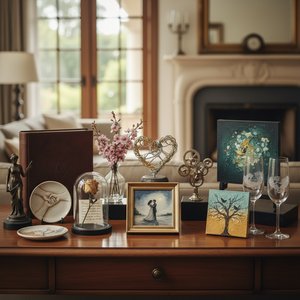
Top 10 uměleckých dárků k výročí: Smyslné obrazy a příběhy lásky | OriginalUniqueArt.cz
Hledáte dokonalý dárek k výročí? Objevte 10 ikonických obrazů od Van Gogha, Moneta a Klimta. Romantické příběhy umění pro váš domov! Reprodukce obrazů nejvyšší kvality na OriginalUniqueArt.cz.

Top 10 impresionistických krajin: Mistrovská díla, která změnila umění | OriginalUniqueArt
Prozkoumejte 10 ikonických impresionistických krajin od Monet, Renoir a dalších. Objevte příběhy umělců, techniky a barevnost tohoto revolučního hnutí. Najděte perfektní obraz pro váš interiér na OriginalUniqueArt.com