
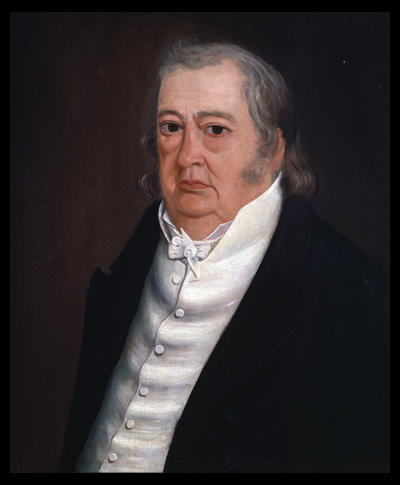
 Náhled
 Sdílet
 Sdílet
 Podrobnosti o díle

 Stáhnout
 Podobné položky
 Rentgenové snímky
 Slideshow
 Statistiky
James Garrard

 Zobrazit více
Giclée / Umělecký tisk
Giclée nebo plátěný tisk muzeální kvality s rychlou výrobou a flexibilními možnostmi povrchové úpravy. ( Koupit ručně malovaný obraz Přepnout na digitální obraz)




































Vyberte si z našich přednastavených velikostí, které odpovídají původním proporcím díla.

Můžete zadat vlastní rozměry tak, aby výtvor odpovídal konkrétnímu rámu nebo prostoru. Pokud zvolená velikost nebude odpovídat poměru stran původního obrazu, dílo buď ořížeme, nebo obraz rozšíříme pomocí zrcadlového efektu či jednobarevného okraje. Před zahájením výroby vám bude zaslán digitální náhled k schválení.
Mějte prosím na paměti, že náhled na obrazovce neodráží skutečné oříznutí nebo rozšíření. Pouze digitální náhled přesně zobrazí finální kompozici.
Ačkoliv jsou k dispozici i vlastní rozměry, pro zachování původních proporcí doporučujeme vybrat si rozměr z předdefinovaného seznamu.
Celosvětové doručení () do 2 týdnů namísto standardních 4/5 týdnů. (9 září)

Zdarma celosvětová expresní doprava

Vysoce kvalitní lněné plátno

Kompletní přepravní pojištění

Záruka vrácení celního poplatku

Záruka přesného barevného shodu

100dená lhůta pro vrácení zboží (pouze při vadách)

100% garance vrácení peněz

Sleva při hromadné objednávce
 Skleněná varianta je dostupná pouze u rozměrů menších než 110 cm

James Garrard
Giclée / Umělecký tisk
Rozměry reprodukce
-


Celková cena za výběr
$ 80
Biografie umělce
The Self-Taught Visionary of the American Frontier
In the annals of nineteenth-century American art, few stories are as compelling or as rugged as that of Chester Harding. A man whose physical presence was as imposing as his artistic legacy, Harding stood well over six feet three inches tall, a towering figure who embodied the very spirit of the expanding American frontier. Born in 1792 in Conway, Massachusetts, his journey to becoming a master of portraiture was not paved with formal academy prestige, but rather with the grit and determination of a self-made man. Before he ever held a fine sable brush for professional use, Harding’s hands were seasoned by diverse and demanding trades; he worked as a turner, a chairmaker, a peddler, and even an innkeeper. It was through the humble practice of sign painting in Pittsburgh that his eye for composition and color began to coalesce, laying the foundation for a career that would eventually capture the faces of a nation in transition.
The evolution of Harding’s talent is a testament to the transformative power of inspiration. His path toward fine art was ignited by an encounter with a traveling artist, an event that turned his focus from utilitarian crafts to the profound psychological depth of portraiture. While his early attempts were rudimentary—notably a simple depiction of his wife—his hunger for refinement drove him across continents. His travels took him through the landscapes of Kentucky and eventually to the artistic heart of Paris, where he immersed himself in the classical traditions of Europe. This period of intense study and prolific output, which included completing an astonishing one hundred portraits in just six-month spans, allowed him to blend American frontier realism with a sophisticated, Romantic sensibility.
A Legacy Captured in Gaze and Grace
Harding’s work is characterized by an uncanny ability to capture the essence of his subjects, moving beyond mere likeness to reveal the character and historical weight of the individuals he painted. As a pioneer of Romantic portraiture, he excelled at imbuing his sitters with a sense of dignity and narrative depth. His repertoire included some of the most significant figures of the era, ranging from scientific pioneers to legendary frontiersmen. To look upon a Harding portrait is to witness the American identity being forged in real-time.
Some of his most enduring contributions to the American canon include:
- The Spirit of the West: His works involving figures like Daniel Boone serve as vital historical windows, capturing the ruggedness and gravity of the era's most iconic explorers.
- Scientific and Intellectual Portraits: In pieces such as Dr. Samuel A. Bemis, Harding demonstrated his capacity for poignant detail, documenting the faces of those driving the scientific progress of the mid-1800s.
- Technical Mastery: His ability to balance light and shadow, honed through his studies at the Philadelphia Academy of Design, allowed him to create works that felt both lifelike and emotionally resonant.
Ultimately, Chester Harding’s significance lies in his role as a visual chronicler of a burgeoning nation. By establishing himself in St. Louis and traveling extensively through Southern cities, he acted as a bridge between the raw energy of the American wilderness and the refined artistic standards of the established East Coast and Europe. His election as an honorary academician of the National Academy of Design in 1828 stands as a formal recognition of a life spent translating the rugged soul of America into the timeless language of oil and canvas.

Chester Harding
1792 - 1866 , United States of America
Rychlé fakta
- Artistic Movement Or Style: Romanticism
- Artists Or Movements Influenced By This Artist: ['']
- Artists Who Influenced This Artist: ['']
- Date Of Birth: 1792 Conway, United States
- Date Of Death: 1866
- Full Name: Chester Harding
- Nationality: American
- Notable Artworks:
- Unfinished Portrait of Daniel Boone
- Portrait of Samuel H. Sexton
- Place Of Birth: Conway Massachusetts
Související články

The Enduring Legacy of Oil on Canvas: Technique, History & Aesthetic Impact
Explore the rich history & techniques of oil painting – from Renaissance masters to Impressionism. Discover pigments, layering methods, and why this timeless medium endures. Expert insights for artists & art enthusiasts.
Top 10 olejů na plátně, které změnily svět umění | OriginalUniqueArt.cz
Objevte 10 legendárních olejů na plátně od Van Gogha, Moneta a Rembrandta. Ponořte se do příběhů mistrovských děl a inspirujte se pro váš interiér s reprodukcemi nejvyšší kvality. Prozkoumejte celou kolekci online na OriginalUniqueArt.com!

Oil on Canvas: A Historical & Technical Exploration of a Timeless Artistic Medium
Explore the rich history & enduring techniques of oil painting on canvas. Discover the science behind its longevity, conservation practices, and contemporary relevance. Expert insights for art enthusiasts.

The Soul of Impressionism: Why Oil on Canvas Captures Eternal Light and Timeless Emotion
Discover the enchanting alchemy of Impressionism. Explore how the mastery of oil on canvas, through glazing and impasto, captures eternal light and emotion. Perfect for lovers of Monet and Van Gogh seeking the profound depth of hand-painted fine art.

Trvalý odkaz olejomalby: Technika, historie a současná praxe
Prozkoumejte historii a techniky olejomalby s námi! Od středověku po současnost – detailní průvodce pro milovníky umění a profesionály. Objevte tajemství mistrů a inspirujte se.