

 Zobrazit v interiéru
 Odeslat
 Sdílet
 Podrobnosti
 Průvodce

 Stáhnout obrázek
 Podobné kousky
 Rentgenové snímky
 Slideshow
 Statistiky
Perdita
 Olej na plátně
- Obrazová tvorba na stěnu
- Romantic Neoclassicism
 29.0 x 23.0 cm
 Harris Museum - Art Gallery
 Přečíst si více
Ručně malovaná olejová reprodukce
Ručně malované olejné plátno v libovolném rozměru i s rámem, vyrobené našimi umělci na zakázku. ( Přepnout na tiskové verze Přepnout na digitální verzi obrazu)




P118B Kč10

P118H Kč10

P118W Kč10

P438Z Kč10

P508JH Kč12

P508YH Kč12

P805H Kč10

P805Z Kč10

P919BZ Kč10

P919G Kč10

P919XJ Kč10

P959ZH Kč10

P968JZ Kč12

W106C Kč8

W218G Kč10

W218JH Kč8

W218Y Kč10

W307PJ Kč10

W316G Kč10

W316PJ Kč8

W316Y Kč10

W398PJ Kč8

W4111J Kč10

W500HY Kč15

W500JH Kč15

W692G Kč12

W849H Kč8

W940BG Kč15

W953PJ Kč8




Vyberte si z našich přednastavených velikostí, které odpovídají původním proporcím díla.

Zadejte šířku a výšku, které potřebujete pro váš rám nebo stěnu. Protože se jedná o ruční malbu, při výběru jiného formátu může umělec kolem obrazu domalovat o něco více, nebo jej mírně oříznout — rozhodnete si vy. Před zahájením malby vám zašleme digitální náhled ke schválení. Obraz zobrazený na této stránce neodpovídá skutečnému výsledku — pouze digitální náhled jej zobrazuje.
Po přijetí objednávky vám tým OriginalUniqueArt.com zašle e-mail s pokyny a poskytne náhledovou verzi.
Celosvětová doprava () za 3–4 týdny namísto standardních 5 týdnů. (21 říjen). Bez kompromisů v kvalitě.

Zdarma celosvětová expresní doprava

Vysoce kvalitní lněné plátno

Úplné pojištění přepravy

Záruka vrácení celního poplatku

Záruka věrného barevného shodu

100dení lhůta pro vrácení zboží (pouze při vadách výroby)

100% garance vrácení peněz

Sleva při více objednávkách
 Skleněná varianta je dostupná pouze u rozměrů menších než 110 cm

Perdita
Technika provedení
Velikost reprodukce
-


Celková cena
Kč 6376
Perdita – Výrazná dílo Charlese Roberta Leslieho
Charles Robert Leslieho obraz „Perdita“ představuje fascinující kombinaci romantické estetiky a klasických principů kompozice, což z něj činí skutečně mimořádné dílo viktoriánské doby. Tento olejový obraz zobrazuje mladou ženu v ovale, který evokuje atmosféru elegance a intelektuální hloubky charakteristickou pro období romantismu i jeho následovníky. Leslieho práce jsou známé především svými vyprávěcími scénami každodenního života a portréty významných osobností, ale „Perdita“ si získala zvláštní místo díky své působivé estetické kvalitě.Kompozice a Světlo – Klasická Harmonie s Romantickou Nostalgií
Kompozice obrazu je vyvážená a středověká, což odkazuje na klasické principy architektury a výtvarného umění. Žena je umístěna v centru obrazu, její pohled směřující lehce stranou vytváří pocit introspekce a melancholie – emoce typické pro romantickou estetiku. Leslieho mistrovské použití světla je klíčové k vyjádření emocionálního obsahu díla. Dramatické osvětlení zvýrazňuje ženské rysy, zatímco hluboké stíny dodávají obrazu atmosféru tajemství a nostalgie. Umělec využívá jemné rozmazané štětkové tahy k dosažení hladkého přechodu mezi barvami a formami – technika charakteristická pro romantické období.Technika Olejové Malby – Detailní Přesnost a Luminózní Výsledky
Leslieho práce jsou známé svou pečlivostí a důkladností provedení. „Perdita“ je vytvořena pomocí olejové malby, která umožňuje vytváření vrstev barvy a dosažení intenzivní luminosnosti. Umělec používá glazuru – postup aplikování tenkých vrstev průhledného oleje přes předchozí vrstvu – aby získal bohaté barvy a zvýraznil jejich lesk. Výsledkem jsou vysoce detailní obrazy, které zachycují jemné nuance světla a stínu. Použitím kvalitních štětců a pečlivého zpracování povrchu Leslie dokázal vytvořit skutečně působivé dílo, které si získalo uznání kritiky i veřejnosti.Symbolismus – Květina jako Znamená Čistotu a Paměť
Obraz „Perdita“ není jen esteticky příjemný zážitek; obsahuje také bohatý symbolický význam. Žena drží květinu, která často představuje čistotu, lásku nebo vzpomínky – témata typická pro romantickou kulturu. Leslieho pozornost k detailům a jeho schopnost vyjadřovat emocionální stav subjektu jsou důkazem jeho uměleckého talentu a porozumění lidské psychologii. Květina může být interpretována jako symbol ženské nevinnosti a krásy, ale také jako připomínka ztracených vztahů nebo minulých zkušeností – což dodává obrazu další vrstvu významu.Historický Kontext – Inspirace Klasickou Tradicí a Romantickým Ideálem
„Perdita“ vznikla v období romantismu, které bylo ovlivněno filozofiemi osvícenství a zájemem o lidskou emoční životnost. Leslieho dílo reflektuje estetické hodnoty této doby – důraz na krásu přírody, subjektivní zkušenosti a vyprávění příběhů. Jeho práce jsou inspirovány klasickou tradicí, zejména tvorbou italských mistrů Renese a Rafaela, ale zároveň využívají nové metody výtvarného vyjádření charakteristické pro romantismus. Leslieho obraz „Perdita“ zůstává důkazem umělecké geniality jeho doby a nabízí nám fascinující pohled na estetiku romantismu v kombinaci s klasickou přesností.Otázky a odpovědi
Jak lze vysvětlit situaci s autorskými právy u díla „Perdita“ od Charles Robert Leslie?
Autorskoprávní status díla „Perdita“ – patří do volného užití – autorská práva vypršela – vyplývá ze smrti umělce v roce 1859.
Jak si mohu prohlédnout náhled reprodukce díla „Perdita“ od Charles Robert Leslie?
Náhled díla „Perdita“ od Charles Robert Leslie je k dispozici na stránce Náhled daného uměleckého díla.
O jaký typ uměleckého díla se jedná u „Perdita“ od Charles Robert Leslie?
V katalogu je dílo „Perdita“ od Charles Robert Leslie zařazeno do kategorie Obrazová tvorba na stěnu. Tato kategorie usnadňuje vyhledávání podobných děl.
Biografie umělce
Early Life and Artistic Training
Charles Robert Leslie, a name now synonymous with charming depictions of London life in the 19th century, was born on October 19, 1794, in the heart of London to American parents. His father, Robert Charles Leslie, a clergyman, and his mother, Lydia Leslie, brought a distinctly transatlantic influence to his formative years. Just five years later, the family relocated to Philadelphia, Pennsylvania, where young Charles received his early education. This move proved pivotal, shaping not only his upbringing but also his artistic trajectory. Initially apprenticed to a bookseller – a common path for aspiring artists of the time – Leslie’s true passion quickly revealed itself: painting and theatre. He possessed an innate talent, coupled with a keen eye for detail and a remarkable ability to capture the essence of human interaction. In 1811, driven by ambition and a desire to hone his skills in the bustling artistic hub of London, Leslie embarked on a new chapter. Armed with letters of recommendation from prominent artists, he arrived in the capital, seeking opportunities within the Royal Academy Schools. These institutions provided him with invaluable training, immersing him in the techniques and traditions of British art. It was here that he began to develop his distinctive style, influenced by the works of Benjamin West and Washington Allston – both masters known for their historical paintings and dramatic compositions. Leslie’s early work reflected this influence, often exploring grand historical themes before ultimately discovering his true calling: genre painting—scenes of everyday life, portraits, and social commentary.A Flourishing Artistic Career
Leslie's artistic career quickly gained momentum in the 1820s. He swiftly established himself as a respected artist, known for his ability to capture the spirit of London’s diverse population. His paintings weren’t merely representations; they were imbued with a sense of immediacy and warmth, reflecting the vibrant energy of Victorian society. A particularly notable early work, “The Murder of Rutland by Lord Clifford,” showcased Leslie's burgeoning talent in historical painting, demonstrating his ability to recreate dramatic scenes with meticulous detail and emotional resonance. However, it was his depictions of Londoners engaged in their daily routines that truly cemented his reputation. Paintings like "Londoners Gypsying" offered a glimpse into the lives of street performers, vendors, and ordinary citizens—a refreshing departure from the formal portraits prevalent at the time. These works were characterized by their lightheartedness, humor, and keen observation of human behavior. Leslie’s skill extended beyond genre scenes; he also produced striking portraits, including a memorable depiction of Sir Walter Scott, a celebrated Scottish poet and novelist, highlighting his ability to capture the personality and character of his subjects.Museum Involvement and Legacy
Leslie's artistic contributions were recognized by the Royal Academy, where he was elected as an associate in 1821 – a significant achievement for a relatively young artist. Further solidifying his position within the art world, he received full membership in 1826. His work is now preserved and studied at the Centre d’art britannique de Yale, ensuring that his artistic legacy continues to be appreciated by future generations. Beyond his own artistic endeavors, Leslie played a significant role in the cultural landscape of London. He was a close friend of fellow artist John Constable, for whom he penned the first biography, “Memoirs of the Life of John Constable.” This biographical work offered valuable insights into Constable’s life and artistic process, contributing to a deeper understanding of his work. Leslie's career spanned several decades, during which he consistently produced works that reflected both the changing times and his own unique artistic vision. He died on May 5, 1859, leaving behind a rich body of work that continues to captivate audiences today.Key Influences and Artistic Style
Leslie’s artistic development was profoundly shaped by several key influences. Benjamin West, a prominent portraitist and historical painter, instilled in him a strong sense of composition and dramatic storytelling. Washington Allston, known for his atmospheric landscapes and romantic sensibilities, encouraged Leslie to explore the expressive potential of color and light. The Royal Academy itself—with its emphasis on classical techniques and rigorous training—provided him with a solid foundation in artistic principles. Leslie’s style was characterized by a remarkable blend of realism and sentimentality. He possessed an exceptional ability to capture the nuances of human expression, conveying emotions through subtle gestures and facial expressions. His use of light and shadow created a sense of depth and atmosphere, while his attention to detail brought scenes to life with vividness and authenticity. His genre paintings, in particular, were notable for their warmth, humor, and insightful portrayal of everyday London life.Concluding Thoughts
Charles Robert Leslie’s artistic journey is a testament to the power of talent, dedication, and inspiration. From his early apprenticeship to his recognition as a respected artist within the Royal Academy, he consistently demonstrated a remarkable ability to capture the spirit of his time. His paintings offer a valuable window into Victorian London—a vibrant, bustling metropolis teeming with life, culture, and social change. Leslie’s legacy endures through his enduring works, which continue to be admired for their beauty, artistry, and insightful portrayal of human experience.
Charles Robert Leslie
1794 - 1859 , Spojené království
Rychlé informace
- Artistic Movement Or Style: Žánrová malba
- Artists Or Movements Influenced By This Artist: ['John Constable']
- Artists Who Influenced This Artist:
- Benjamin West
- Washington Allston
- Date Of Birth: 19. 10. 1794
- Date Of Death: 5. 5. 1859
- Full Name: Charles Robert Leslie
- Nationality: Britský/Americký
- Notable Artworks:
- Útěk Rutlanda
- Londýňané
- Portrét sira Waltera Scotta
- Place Of Birth: Londýn, Velká Británie
Související články

David Roberts: A Scottish Pioneer of Topographical Art & Orientalist Vision
Explore the captivating world of David Roberts, a pioneering Scottish painter renowned for his detailed Orientalist scenes & stunning Egyptian landscapes. Discover his legacy and find museum-quality reproductions at OriginalUniqueArt.

Robert Lillie: A Study in Victorian Genre Painting and Domestic Narrative
Explore the captivating Victorian genre paintings of Robert Lillie (1867-1949). Discover his serene Scottish landscapes and intimate domestic scenes, reflecting a unique artistic vision. Learn about his life, style & legacy.

Romantic Realism's Finest: 10 Masterpieces for Your Home | OriginalUniqueArt
Explore 10 defining masterpieces of Romantic Realism! Discover Courbet, Millet & Daumier's powerful paintings—capturing emotion and social realities. Find museum-quality reproductions for your home at OriginalUniqueArt.com.
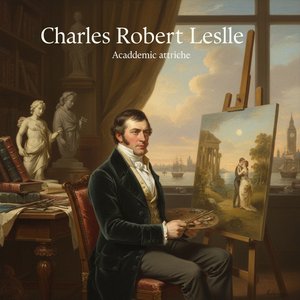
Charles Robert Leslie: Navigating Romantic Ideals & Academic Tradition
Explore the life & art of Charles Robert Leslie, a key figure bridging Romantic ideals with Victorian academic tradition. Discover his captivating portraits, literary scenes, and enduring legacy as Constable’s biographer.

Hubert Robert: Picturing Ruins, Preserving Memory – A Study of Romantic Antiquarianism & Artistic Innovation
Explore the captivating world of Hubert Robert, master of Romantic landscape painting & 'capriccio' ruins. Discover his historical context, artistic innovations, and collecting insights with OriginalUniqueArt.
