

 Náhled v interiéru
 Sdílet
 Sdílet
 Podrobnosti o díle
 Průvodce

 Stáhnout
 Podobné položky
 Rentgenové snímky
 Slideshow
 Q&A
Q&A Statistiky
The Repentant Magdalen
 Oil On Canvas
- WallArt
- Baroque Classicism
 1655
1655 252.0 x 171.0 cm
 Louvr
Louvr
 Zobrazit více
Giclée / Umělecký tisk
Giclée nebo plátěný tisk muzeální kvality s rychlou výrobou a širokou nabídkou povrchových úprav. ( Koupit ručně malovaný obraz Přepnout na digitální obraz)




P118B Kč10

P118H Kč10

P118W Kč10

P438Z Kč10

P508JH Kč12

P508YH Kč12

P805H Kč10

P805Z Kč10

P919BZ Kč10

P919G Kč10

P919XJ Kč10

P959ZH Kč10

P968JZ Kč12

W106C Kč8

W218G Kč10

W218JH Kč8

W218Y Kč10

W307PJ Kč10

W316G Kč10

W316PJ Kč8

W316Y Kč10

W398PJ Kč8

W4111J Kč10

W500HY Kč15

W500JH Kč15

W692G Kč12

W849H Kč8

W940BG Kč15

W953PJ Kč8




Vyberte si z našich přednastavených velikostí, které odpovídají původním proporcím díla.

Zadejte šířku a výšku, které potřebujete pro váš rám nebo stěnu. Tisk lze pouze oříznout, nikdy však nelze zvětšit obraz nad jeho původní rozměr, proto při výběru jiného formátu dochází ke ztrátě části obrazu. Před samotným tiskem vám zašleme digitální náhled k schválení. Obraz zobrazený na této stránce nenabízí skutečný výřez — ten uvidíte pouze v náhledu.
Celosvětové doručení () do 2 týdnů namísto standardních 4/5 týdnů. (28 říjen)

Zdarma celosvětová expresní doprava

Vysoce kvalitní lněné plátno

Kompletní pojištění přepravy

Záruka vrácení celního poplatku

Záruka věrného barevného souladu

100dení lhůta pro vrácení zboží (pouze při vadách výroby)

100% záruka vrácení peněz

Sleva při více objednávkách
 Skleněná varianta je dostupná pouze u rozměrů menších než 110 cm

The Repentant Magdalen
Giclée / Umělecký tisk
Rozměry reprodukce
-


Celková cena za vybrané možnosti reprodukcí
Kč 1723
The Repentant Magdalen: A Study in Sorrow and Redemption by Charles Le Brun
Charles Le Brun’s “The Repentant Magdalen,” painted in 1655, is more than just a portrait; it's a profound meditation on human fallibility, spiritual yearning, and the arduous path to redemption. Housed within the hallowed halls of the Louvre Museum in Paris, this oil-on-canvas masterpiece immediately draws the viewer into a world of intense emotion and carefully constructed symbolism. Le Brun, a pivotal figure in 17th-century French art, masterfully employs his signature *chiaroscuro* technique – a dramatic interplay of light and dark – to sculpt the subject’s form and amplify her inner turmoil. The painting isn't merely depicting a scene; it’s conveying an experience.
Le Brun’s artistic development was shaped by a rigorous training, beginning with Simon Vouet and progressing through studies in Rome under the tutelage of Nicolas Poussin. This Roman influence is evident in the work’s classical composition and its emphasis on idealized beauty, tempered by a deep understanding of human psychology. The color palette itself contributes significantly to the painting's mood – warm earth tones dominate, punctuated by cooler blues that suggest both melancholy and a nascent hope. The meticulous detail with which Le Brun renders fabric—the folds of her dress, the texture of her shawl—grounds the scene in a tangible reality while simultaneously elevating it to a realm of symbolic significance.
Symbolism Woven into the Canvas
“The Repentant Magdalen” is rich with layers of symbolism, inviting multiple interpretations. The most immediate symbol is undoubtedly the woman herself – traditionally believed to be Mary Magdalene. Her posture, hands clasped to her face in a gesture of profound sorrow, speaks volumes about past transgressions and a desperate desire for atonement. The vibrant red of her dress, often interpreted as representing her former life of sin and indulgence, stands in stark contrast to the muted tones surrounding her. However, it’s not simply a symbol of shame; within the context of Christian iconography, red can also signify sacrifice and passion.
Beyond the figure, several other elements contribute to the painting's complex narrative. The books scattered around her suggest a period of introspection and spiritual study – a commitment to seeking forgiveness and understanding. The suitcase in the foreground hints at a journey undertaken, perhaps one of self-discovery or exile, while the castle-like structure in the background could represent both earthly temptations and the promise of salvation. Even the lighting itself plays a symbolic role, with the light falling primarily on her face, illuminating her sorrow and highlighting her vulnerability.
Le Brun’s Technique and Historical Context
Charles Le Brun's skill as a painter is undeniable, but it’s his ability to imbue his work with psychological depth that truly sets “The Repentant Magdalen” apart. He wasn’t simply replicating reality; he was translating an emotional experience onto canvas. His mastery of *chiaroscuro* creates a dramatic sense of volume and form, drawing the viewer's eye directly to the subject’s face and emphasizing her expressive gestures. The subtle gradations of color and light contribute to a feeling of intimacy and immediacy, as if we are witnessing this moment of profound sorrow firsthand.
Painted during Louis XIV’s reign, “The Repentant Magdalen” reflects the artistic sensibilities of the French Baroque period – a time of opulent grandeur and intense religious fervor. Le Brun served as one of the King's most trusted artists, executing numerous commissions for the royal court and shaping the visual language of the era. His work exemplifies the Royal Academy’s emphasis on classical ideals combined with dramatic emotional expression, a hallmark of French Baroque art. The painting stands as a testament to his influence and his ability to capture the complexities of human emotion within a meticulously crafted composition.
A Timeless Masterpiece
“The Repentant Magdalen” is more than just a beautiful painting; it’s a powerful meditation on themes that resonate across centuries. It invites contemplation on the nature of sin, redemption, and the enduring human struggle to find meaning in life. Whether you are an art historian, a collector seeking a significant addition to your collection, or simply someone who appreciates exquisite artistry, this masterpiece offers a profound and moving experience. Consider acquiring a hand-painted reproduction from OriginalUniqueArt.com – a faithful representation of Le Brun’s genius that will grace your home with its timeless beauty and evocative power.
Otázky a odpovědi
O jaký typ díla se jedná u „The Repentant Magdalen“?
Dílo „The Repentant Magdalen“ od Charles Le Brun je klasifikováno jako WallArt. Tato kategorie určuje typ uměleckého díla, kterým je originál.
Existuje průvodce k dílu „The Repentant Magdalen“ od Charles Le Brun?
Stránka Průvodce pro studenty díla „The Repentant Magdalen“ od Charles Le Brun nabízí tištěný dvoulistový informační list: samotné umělecké dílo s identifikační tabulkou, časovou osu situující dílo do období života umělce, další díla daného autora, naměřenou barevnou paletu a citace ve čtyřech stylech připravené pro okamžité zkopírování.
Jaká velikost "The Repentant Magdalen" se doporučuje pro Living Room?
Pro místnost typu Living Room je doporučená velikost tisku díla „The Repentant Magdalen“ od Charles Le Brun Large.
Biografie umělce
Early Life and Training
Charles Le Brun, narozený v Paříži roku 1619, už od dětství projevoval mimořádný talent pro umění. V pouhých jedenácti letech vstoupil do dílny Simona Voueta, významného malíře doby Karla II., a získal ochranu šlechtice Charlese Séguiera. Tento raný kontakt s renomovaným umělcem položil základy jeho budoucího uměleckého směřování. Le Brun dále studoval pod vedením Françoise Perriera, dalšího vlivného malíře, čímž rozšířil své znalosti o techniku a teorii malby. Jeho rané úspěchy, včetně počátečních objednávek od kardinála Armand-Jeana du Plessis de Richelieu ve věku patnácti let, dokazovaly jeho mimořádné schopnosti a rychlý pokrok v umění.
A Pivotal Roman Period
Klíčovým obdobím v jeho uměleckém vývoji byla čtyři roky strávené v Římě (1642-1646). Během této doby pracoval pod vedením Nicolase Poussina, jednoho z nejvýznamnějších představitelů barokního malířství. Poussinova vliv byl hluboký a zásadní; Le Brun studoval starověké římské sochy, kopíroval díla Rafaela a absorboval estetické principy italských mistrů. Tato zkušenost formovala jeho umělecký styl a poskytla mu teoretické porozumění umění, které bylo klíčové pro jeho pozdější úspěch. V Římě se Le Brun setkal s dalšími talentovanými umělci a stal se součástí živé umělecké komunity, která ovlivnila jeho vývoj.
Return to Paris and Early Recognition
Po návratu do Paříže v roce 1646 rychle získal Le Brun uznání a mecenáse. Jeho raný styl byl ovlivněn Vouetem a Poussinem, ale postupně vyvíjel vlastní osobitější přístup k malbě. Jeho umění se stalo synonymem elegance, dynamiky a bohatých barev – charakteristických rysů barokního stylu. Le Brun začal přijímat rozmanité zakázky, od portrétů šlechticů až po dekorativní obrazy pro luxusní rezidence. Jeho talent a schopnost se rychle prosazovaly, čímž si vybudoval pozici jednoho z nejvýznamnějších malířů své doby.
The Reign of Louis XIV and Royal Patronage
Vrchol jeho kariéry nastal za vlády Ludvíka XIV., který ho v roce 1664 jmenoval prvním malířem krále. Tato pozice mu přinesla obrovský vliv na francouzské umění a umožnila mu ovládat umělecké trendy ve zemi. Le Brun hrál klíčovou roli při zdobení Paláce Versailles, vytvořil ikonické dílo jako jsou Ambassadeurská schodiště (Escalier des Ambassadeurs), Zrcadlová síň (Hall of Mirrors) a Pokoj míru a války (Chambre de la Paix et de la Guerre). Tyto projekty nejen demonstrovaly jeho mistrovské techniku, ale také definovaly estetické standardy královského umění. Le Brun byl také zodpovědný za návrhy soch v zahradách Versailles, čímž dokázal svou univerzálnost jako umělce.
Artistic Style and Legacy
Le Brunův styl se vyvíjel od přísného dodržování klasických modelů k dynamičtějšímu a expresivnějšímu baroknímu stylu. Stal se známý svými velkolepými historickými malbami, portréty a dekorativními pracemi, často charakterizovanými dramatickými kompozicemi, bohatými barvami a precizním provedením. Jeho série obrazů zobrazujících historii Alexandra Velikého ukázala jeho schopnost kombinovat historickou narraci s uměleckým rozměrem. Charles Le Brun byl nejen talentovaný malíř, ale i významný teoretik umění, který ovlivnil vývoj francouzského umění po mnoho let a zanechal trvalý odkaz v historii umění.

Charles Le Brun
1619 - 1690 , Francie
Rychlé informace o umělci
- Artistic Movement Or Style: Baroko
- Artists Or Movements Influenced By This Artist: ['Francouzské umění']
- Artists Who Influenced This Artist:
- Simon Vouet
- Nicolas Poussin
- Date Of Birth: 24. února 1619
- Date Of Death: 12. února 1690
- Full Name: Charles Le Brun
- Nationality: Francouzský
- Notable Artworks:
- Ambasadorská schodiště
- Zrcadlový sál
- Mír a válka
- Place Of Birth: Paříž, Francie
Související články

Barokní drama: Umění, které vnáší velkolepost do domova
Objevte velkolepost barokního stylu v interiéru! Průvodce klíčovými prvky, inspirace a tipy pro integraci do moderního bydlení. Reprodukce umění s .

Louvre: Top 25 uměleckých děl | Reprodukce obrazů a inspirace pro interiér
Prozkoumejte 25 nejvýznamnějších uměleckých děl Louvre v Paříži! Obdivujte Monu Lisu, Michelangelova Davida a další klasiky renesance, impresionismu a baroka. Najděte inspiraci pro váš interiér a luxusní reprodukce obrazů na OriginalUniqueArt.com.
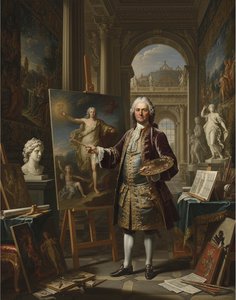
Charles Le Brun: Master of French Baroque Classicism & His Enduring Legacy
Explore the life & art of Charles Le Brun, master of French Baroque Classicism. Discover his royal commissions, influence on Versailles, and enduring legacy through detailed analysis & stunning artworks.

The Dramatic Flourish: Exploring the Baroque Movement's Enduring Legacy in Art History
Explore the dramatic world of Baroque art! Discover iconic artists like Caravaggio & Rubens, defining techniques, and its lasting impact on art history. Expert insights for collectors & enthusiasts at OriginalUniqueArt.
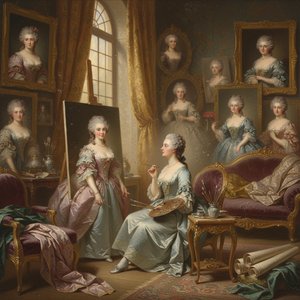
Vigée Le Brun: Portraiture, Patronage & Feminine Identity in 18th-Century France
Explore the life & art of Louise Élisabeth Vigée Le Brun, Marie Antoinette’s renowned portraitist. Discover her Rococo style, self-portraits, and influence on 18th-century French painting. A deep dive into patronage & feminine identity.