

 Zobrazit v interiéru
 Odeslat
 Sdílet
 Podrobnosti
 Průvodce

 Stáhnout obrázek
 Podobné kousky
 Rentgenové snímky
 Slideshow
 Statistiky
Buildings Abstraction, Lancaster


 Přečíst si více
Ručně malovaná olejová reprodukce
Ručně malované olejné plátno v libovolném rozměru i s rámem, vyrobené našimi umělci na zakázku. ( Přepnout na tiskové verze Přepnout na digitální verzi obrazu)




P118B $10

P118H $10

P118W $10

P438Z $10

P508JH $12

P508YH $12

P805H $10

P805Z $10

P919BZ $10

P919G $10

P919XJ $10

P959ZH $10

P968JZ $12

W106C $8

W218G $10

W218JH $8

W218Y $10

W307PJ $10

W316G $10

W316PJ $8

W316Y $10

W398PJ $8

W4111J $10

W500HY $15

W500JH $15

W692G $12

W849H $8

W940BG $15

W953PJ $8




Vyberte si z našich přednastavených velikostí, které odpovídají původním proporcím díla.

Můžete zadat vlastní rozměry pro konkrétní rám nebo prostor. Pokud se vámi vybraná velikost neshoduje s proporcemi původního obrazu, dílo buď ořízneme, nebo jej doplníme ručně malovanými prvky. Před zahájením výroby vám bude zaslán digitální náhled ke schválení.
Upozorňujeme, že náhled na obrazovce neodpovídá skutečnému ořezu ani rozšíření. Pouze digitální náhled přesně zobrazí finální kompozici.
Ačkoliv je možné zvolit vlastní velikost, pro zachování původních proporcí doporučujeme vybrat rozměr z předdefinovaného seznamu.
Po přijetí objednávky vám tým OriginalUniqueArt.com zašle e-mail s pokyny a poskytne náhledovou verzi.
Celosvětová doprava () za 3–4 týdny namísto standardních 5 týdnů. (26 září). Bez kompromisů v kvalitě.

Zdarma celosvětová expresní doprava

Vysoce kvalitní lněné plátno

Úplné pojištění přepravy

Záruka vrácení celního poplatku

Záruka věrného barevného shodu

100dení lhůta pro vrácení zboží (pouze při vadách výroby)

100% garance vrácení peněz

Sleva při více objednávkách
 Skleněná varianta je dostupná pouze u rozměrů menších než 110 cm

Buildings Abstraction, Lancaster
Technika provedení
Velikost reprodukce
-


Celková cena
$ 300
A Geometric Symphony of American Industry
In the quiet landscape of 1931, Charles Demuth captured a moment of profound stillness through his masterpiece, Buildings Abstraction, Lancaster. This work serves as a cornerstone of Precisionism, an American art movement that sought to find beauty in the stark, industrial geometry of a modernizing nation. Rather than capturing the fleeting light of an Impressionist sunset, Demuth focuses our gaze on the structural integrity of the built environment. The painting presents a world stripped of its superficial clutter, where the essence of architecture is distilled into a rhythmic arrangement of rectangles, trapezoids, and sharp lines. It is a vision of America that celebrates clarity, order, and the quiet dignity of industrial progress.
At the heart of this composition stands a towering red water tower, a vibrant sentinel that anchors the entire scene. Its bold crimson hue acts as a powerful focal point, drawing the eye upward toward a bright yellow cap that catches the light with a subtle, sunny warmth. This striking use of color is not merely decorative; it provides a vital pulse to an otherwise muted palette of grays, whites, and soft shadows. Through his masterful use of oil on board, Demuth achieves a smooth, almost architectural finish, where every edge feels deliberate and every plane feels solid. The way the light interacts with these geometric forms creates a sense of depth that invites the viewer to step into this structured, contemplative world.
The Soul of Precisionism
To look upon Buildings Abstraction, Lancaster is to experience the intersection of modernism and memory. While the style is undeniably avant-garde, there is an underlying nostalgia for the landscapes of Demuth’s youth in Pennsylvania. The water tower, a ubiquitous symbol of rural and industrial life, becomes a totem of stability amidst a changing world. By employing the techniques of Cubism—breaking down subjects into fundamental shapes—Demuth does not obscure reality but rather reveals its most essential truths. There is a cerebral elegance here; the painting asks us to look past the grit of industry to see the mathematical harmony and aesthetic grace hidden within the mundane.
For the discerning collector or interior designer, this piece offers an unparalleled sense of sophisticated calm. Its balanced composition and restrained color palette make it a versatile anchor for contemporary spaces, providing a touch of historical depth and intellectual intrigue. Whether placed in a minimalist gallery setting or as a focal point in a modern study, the artwork radiates a quiet strength. It is more than just a depiction of buildings; it is an invitation to find beauty in precision, to appreciate the structural rhythm of our surroundings, and to find peace in the clarity of form.
Biografie umělce
early life and education
Charles Henry Buckius Demuth, an american watercolorist, was born on november 8, 1883, in lancaster, pennsylvania. He developed a unique style of painting known as precisionism, which would later become a significant contribution to the american art scene. Demuth’s early education took place at franklin & marshall academy, followed by studies at drexel university and the prestigious pennsylvania academy of fine arts in philadelphia. It was during his time at pafa that he met william carlos williams, with whom he formed a lasting friendship. Lancaster, his birthplace and lifelong home, held a profound significance for Demuth, shaping many of his artistic themes and subjects. The city’s industrial landscape – bridges, smokestacks, and towering buildings – became recurring motifs in his work, reflecting both an appreciation for the functional beauty of these structures and a subtle critique of their impact on the environment.career and influences
Demuth's artistic career began to take shape after his studies in the united states. He later attended académie colarossi and académie julian in paris, where he became an integral part of the avant-garde art scene. The Parisian atmosphere, with its embrace of new ideas and experimentation, profoundly influenced his approach to painting. He was particularly drawn to the work of Paul Cézanne, whose emphasis on geometric forms and spatial relationships resonated deeply with Demuth’s developing style. Furthermore, he found inspiration in Japanese prints, admiring their flattened perspectives and bold use of color – elements that would later become characteristic features of his precisionist paintings. The acceptance of his homosexuality within the Parisian art community provided a crucial space for him to explore his identity and artistic vision without constraint. Upon returning to america, Demuth retained aspects of cubism in many of his works, reflecting the influence of his time in paris. His fondness for lancaster is evident in the subject matter of numerous works, showcasing industrial features like bridges, smoke stacks, and skyscrapers.notable works and precisionism
Demuth’s most famous painting, *The Figure Five in Gold*, was inspired by william carlos williams's poem "the great figure." This work is a prime example of Demuth’s unique style, which he termed “precisionism.” It exemplifies the movement’s key characteristics: a quasi-cubist approach, sharply defined lines, and an emphasis on geometric forms. Other notable works include his “poster portraits,” dedicated to artists and writers like georgia o'keeffe, arthur dove, and eugene o'neill – a series that demonstrated his ability to capture the essence of individual personalities through simplified, iconic imagery. Demuth’s paintings often depicted urban and rural landscapes with an industrial focus, presenting these scenes in a highly structured manner, devoid of figures but rich in detail and visual impact. His work wasn’t merely about representation; it was about distilling the essential qualities of his subjects – be they buildings or flowers – into their most fundamental elements.legacy and museum quality replicas at OriginalUniqueArt
Demuth's contributions to the precisionist art movement have left a lasting impact on american modernism. His work challenged traditional notions of representation, pushing the boundaries of painting while simultaneously celebrating the beauty and functionality of everyday objects and environments. At OriginalUniqueArt.com, you can find museum-quality replicas of his works, including *The Figure Five in Gold* and other notable pieces. These reproductions offer a valuable opportunity to experience Demuth’s distinctive style and appreciate the enduring legacy of this innovative artist. His paintings continue to resonate with viewers today, prompting reflection on the relationship between art, technology, and the modern world. His dedication to capturing the essence of industrial landscapes and his unique approach to form and color solidify his place as a pivotal figure in 20th-century American art.
Charles Demuth
1883 - 1935 , Spojené státy americké
Rychlé informace
- Artistic Movement Or Style: Precisionismus
- Artists Or Movements Influenced By This Artist: ['Kubismus']
- Artists Who Influenced This Artist: ['William Carlos Williams']
- Date Of Birth: 8. listopadu 1883
- Date Of Death: 23. října 1935
- Full Name: Charles Henry Buckius Demuth
- Nationality: Americký
- Notable Artworks:
- Figure Five in Gold
- Poster Portraits
- Place Of Birth: Lancaster, Pennsylvania
Související články

Geometrická abstrakce: 10 mistrovských děl, které změnily umění | OriginalUniqueArt.cz
Prozkoumejte 10 ikonických děl geometrické abstrakce od Mondriana, Maleviče a Kandinského. Objevte příběhy umělců, techniky a historii tohoto revolučního hnutí. Najděte inspiraci pro moderní dekorace a luxusní reprodukce obrazů na OriginalUniqueArt.com.

Wassily Kandinsky: Top 25 mistrovských děl abstrakce pro váš interiér | OriginalUniqueArt.com
Prozkoumejte 25 ikonických děl Wassily Kandinského – průkopníka abstraktního umění a expresionismu. Objevte příběhy za barevnými kompozicemi, Bauhaus styl a inspirujte se pro váš interiér s reprodukcemi nejvyšší kvality na OriginalUniqueArt.com.

Beyond Form & Color: Geometric Abstraction's Evolution in 20th/21st Century Art
Explore the evolution of geometric abstraction from Cubism to contemporary art. Discover key artists like Malevich & Mondrian, investment insights, and expert collecting advice at OriginalUniqueArt.

Neo-Abstract Art: The High-Impact Evolution of Modern Visual Energy and Geometric Sophistication
Discover the power of Neo-Abstract art. Explore how bold geometric forms and high-impact visual energy are redefining modern design. Learn to curate sophisticated, high-energy spaces with the latest trends in contemporary abstraction and structural color.
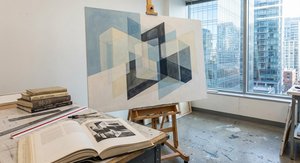
Beyond Form & Color: Geometric Abstraction's Enduring Legacy in Art History
Explore the captivating world of geometric abstraction! Discover its origins, key artists like Malevich & Mondrian, and why this movement remains highly valued by art collectors today. Expert insights at OriginalUniqueArt.

