
 Náhled
 Sdílet
 Sdílet
 Podrobnosti o díle

 Stáhnout
 Podobné položky
 Rentgenové snímky
 Slideshow
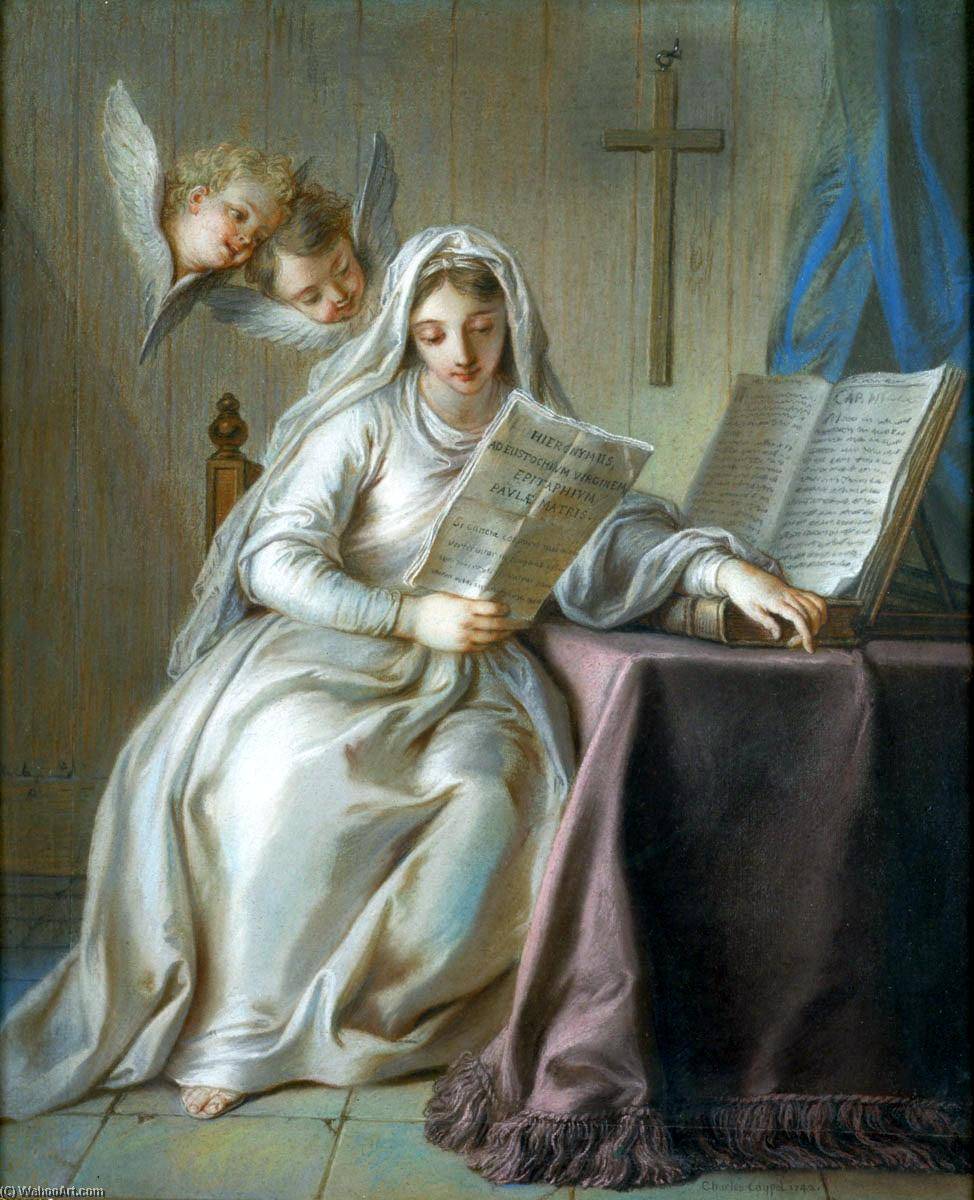
Heloise
 1742
1742 70.0 x 52.0 cm
 Zobrazit více
Ručně malovaná olejová reprodukce
Ručně malovaná olejná barva na plátně ve vašem zvoleném rozměru i s rámem, vyrobená našimi umělci na zakázku. ( Koupit tisk Koupit obrázek)




































Vyberte si z našich přednastavených velikostí, které odpovídají původním proporcím díla.

Můžete zadat vlastní rozměry pro konkrétní rám nebo prostor. Pokud se vámi vybraná velikost neshoduje s proporcemi původního obrazu, dílo buď ořízneme, nebo jej doplníme ručně malovanými prvky. Před zahájením výroby vám bude zaslán digitální náhled ke schválení.
Upozorňujeme, že náhled na obrazovce neodpovídá skutečnému ořezu ani rozšíření. Pouze digitální náhled přesně zobrazí finální kompozici.
Ačkoliv je možné zvolit vlastní velikost, pro zachování původních proporcí doporučujeme vybrat rozměr z předdefinovaného seznamu.
Po přijetí objednávky vám tým OriginalUniqueArt.com zašle e-mail s pokyny a poskytne náhledovou verzi.
Celosvětová doprava () za 3–4 týdny namísto standardních 5 týdnů. (24 srpen). Bez kompromisů v kvalitě.

Zdarma celosvětová expresní doprava

Vysoce kvalitní lněné plátno

Kompletní přepravní pojištění

Záruka vrácení celního poplatku

Záruka přesného barevného shodu

60denní lhůta pro vrácení zboží (pouze při vadách výroby)

100% garance vrácení peněz

Sleva při hromadné objednávce
 Skleněná varianta je dostupná pouze u rozměrů menších než 110 cm

Heloise
Technika reprodukce
Rozměry reprodukce
-


Celková cena za výběr
$ 300
Biografie umělce
A Legacy of Elegance: The Life and Art of Charles Antoine Coypel IV
In the gilded era of the French Baroque, few names resonated with as much inherent prestige and artistic continuity as Charles Antoine Coypel IV. Born in 1694 into a dynasty of creative luminaries, his very existence was woven into the fabric of France's most illustrious artistic institutions. As the grandson of Noël Coypel, who had led the French Academy in Rome, and the son of the celebrated history painter Antoine Coypel, Charles Antoine did not merely enter the art world; he was born into its inner sanctum. His early years were shaped by the grandeur of Versailles and the rigorous standards of a family dedicated to serving the French crown, establishing a lifelong connection between his personal identity and the pursuit of royal aesthetic ideals.
The development of Coypel’s technique was a profound dialogue with the masters who preceded him. Under the watchful guidance of his father, he inherited a mastery of meticulous detail and a penchant for luminous, vibrant color palettes. His formal education at the Académie Royale de Peintures et de Sculpture further refined this inherited brilliance, allowing him to study alongside contemporary giants such as Jean-Baptiste Oudry. This academic foundation provided him with more than just technical prowess; it granted him a seat within the most influential artistic community in Europe, a home that would remain his professional anchor for nearly five decades.
Mastery of Medium and Subject
Coypel’s artistic repertoire was remarkably diverse, reflecting the multifaceted demands of 18th-century patronage. While he was deeply rooted in the traditions of history painting, his true genius often emerged in his ability to capture the ephemeral textures of courtly life. He possessed an unerring control over a variety of media, ranging from the delicate precision of engravings to the soft, atmospheric qualities of pastel, chalk, and watercolor. This versatility allowed him to render the tactile splendor of the era—the intricate patterns of lace, the heavy sheen of velvet, and the subtle glow of skin—with breathtaking realism.
His subject matter often oscillated between the mythological and the intimate. In his mythological scenes, one finds a continuation of the grand Baroque tradition, yet in his portraits, there is a distinct sensitivity to the individual. His works, such as the celebrated double portrait of François de Jullienne and Marie Elisabeth de Séré de Rieux, demonstrate a captivating use of the direct gaze—a theatrical conceit that draws the viewer into the psychological space of the sitters. Whether depicting the heroic struggles of Hercules or the serene elegance of an aristocratic lady, Coypel’s compositions are characterized by a balanced grace and a subtle tonal gradation that defines the sophisticated spirit of his age.
Historical Significance and Royal Stewardship
Beyond the canvas, Charles Antoine Coypel IV played a vital role in the preservation and curation of French artistic heritage. His appointment as the Director and Curator of the King’s Art Collection was not merely a professional achievement but a profound responsibility. In this capacity, he acted as a guardian of the visual splendor of the monarchy, overseeing the treasures that defined the cultural identity of France under Louis XV. This role required an unparalleled eye for quality and a deep understanding of art history, making him one of the most influential figures in the management of royal aesthetics.
The historical significance of Coypel lies in his ability to bridge the gap between the heavy grandeur of the late 17th century and the burgeoning refinement of the 18th century. He embodied the transition from the monumental style of Louis XIV to the more intimate, decorative elegance that would eventually lead toward the Rococo. Through his portraits, mythological works, and his dedicated service to the Academy, Coypel ensured that the legacy of the French school remained vibrant, sophisticated, and eternally linked to the prestige of the French Crown.

charles antoine coypel iv
1694 - 1752
Rychlé fakta
- Artistic Movement Or Style: Baroque Painting
- Artists Or Movements Influenced By This Artist: ['Philippe II, Duke of Orléans']
- Artists Who Influenced This Artist:
- Antoine Coypel
- Noël Coypel
- Date Of Birth: July 11, 1694
- Date Of Death: June 14, 1752
- Full Name: Charles Antoine Coypel IV
- Nationality: French
- Notable Artworks:
- Hercules and Omphale
- Saint George and the Dragon
- Place Of Birth: Paris, France

