
 Náhled v interiéru
 Sdílet
 Sdílet
 Podrobnosti o díle
 Průvodce

 Stáhnout
 Podobné položky
 Rentgenové snímky
 Slideshow
 Q&A
Q&A Statistiky
Halt of the Hunt

- 59.0 x 50.0 cm


 Zobrazit více
Získejte soubor připravený k tisku, který svou kvalitou výrazně převyšuje webový náhled. Každý prodávaný digitální obraz pochází z vysokorozlišeného originálu v naší databázi – obvykle o šířce 5 000 až 15 000 pixelů – díky čemuž můžete tisknout ve velkém formátu, provádět těsný střih nebo si s jistotou užít i ty nejjemnější detaily.
Žádný soubor neopustí naše studio bez úprav. Digitální expert kontroluje barvy v porovnání s původním malířským dílem a v případě potřeby je upravuje, poté pomocí profesionálních nástrojů pro retuš zvyšuje ostrost a detailnost — přičemž vždy zůstává věrný tahům štětcem a stylu umělce. Výsledkem je obraz, který vypadá jako malba, nikoliv jako naskenovaný snímek s filtrem.
Schvalování před dokončením: náš expert vám do 72 hodin zašle obraz e-mailem k revizi. Nejsste spokojeni? Můžete požádat o úpravy či opravy, nebo si můžete vyžádat vrácení peněz, pokud kvalita neodpovídá vašim očekáváním.
Tuto kvalitu využívají vydavatelství, designová studia, galerie i tiskárny.
Digitální obrazy
Stáhněte si soubor ve vysokém rozlišení pro osobní prohlížení, tisk nebo kreativní projekty. ( Přepnout na tisk Koupit ručně malovaný obraz)
Součást každé objednávky digitálního obrazu
Profesionální digitální doručení, zaručené
Když si vyberete OriginalUniqueArt.com, nezískáváte pouze obrázek – získáváte digitální umělecké dílo s profesionálně vylepšenými detaily, zpracované s precizností a podpořené zárukou za spokojenost. Zde je vše, co vaše objednávka automaticky obsahuje:

Rychlé doručení e-mailem
Váš digitální obraz ve vysokém rozlišení vám bude zaslán e-mailem do 72 hodin od objednávky – připraven k okamžitému použití.

Digitální soubor s využitím AI
Vaše umělecké dílo je profesionálně optimalizováno pomocí pokročilých nástrojů umělé inteligence a manuální úpravy, což zajišťuje maximální úroveň detailu, ostrosti a přesnosti barev.

Doživotní bezplatné znovuodeslání digitálních obrazů
Soubor jste omylem smazali nebo ztratili? Žádný problém – kdykoliv vám ho znovu zašleme zcela zdarma.

Bez poplatků za dovoz – navždy
Užijte si své umělecké dílo okamžitě bez celních poplatků, daní nebo nákladů na dopravu – digitální stažení je vždy bez daňových povinností.

Záruka přesnosti barev
Díky profesionálním nástrojům a správě barev zajišťujeme, aby váš digitální obraz odrážel původní barvy co nejvěrněji.

100dená záruka spokojenosti
Pokud nebudete s digitálním obrázkem spokojeni, provedeme jeho revizi nebo vám vrátíme 100% platby do 100 dnů – bez jakýchkoliv dotazů.

100% záruka vrácení peněz
Nespokojeni? Získejte plnou náhradu peněz do 100 dnů od obdržení digitálního souboru – bez zbytečných dotazů.

Slevy při hromadných objednávkách
Koupě 3 obrazů ušetří 10% – Koupě 5 obrazů ušetří 15% – Koupě 10+ obrazů ušetří 20%. Ideální pro kreativní projekty, galerie a agentury.
A Glimpse into Rococo Splendor
In the delicate dance of light and shadow captured within Charles-André van Loo’s 1737 masterpiece, “Halt of the Hunt,” we are transported to the very heart of the French aristocracy during the reign of Louis XV. This exquisite oil sketch is far more than a mere depiction of a midday respite; it serves as a window into an era defined by opulence, grace, and the pursuit of pleasure. The scene unfolds with a choreographed elegance, presenting a group of noblemen and ladies gathered around a table laden with delicacies. As they pause amidst their hunting expedition, the atmosphere is thick with the refined leisure of the court, inviting the viewer to step into a world where every gesture is poised and every detail is a testament to high society's splendor.
The composition is masterfully balanced, utilizing the presence of two loyal dogs to anchor the scene. These animals are not merely incidental; they serve as profound symbols of nobility and fidelity, mirroring the very virtues held dear by the aristocratic class of the eighteenth century. As the figures mingle around the feast, the interplay between the lush, natural backdrop and the sophisticated attire of the guests creates a captivating tension between the wildness of the hunt and the controlled refinement of civilization.
Mastery of Technique and Rococo Elegance
Van Loo’s technical prowess is on full display through his signature Rococo style, a movement characterized by its emphasis on beauty, ornament, and lightheartedness. The artist employs a breathtakingly delicate technique, utilizing thin glazes layered upon one another to achieve a luminous, almost ethereal quality. This method allows for a remarkable tonal subtlety, where the pastel hues of the drapery seem to glow from within, capturing the soft, filtered light of a forest clearing. Through the skillful application of sfumato, Van Loo softens the edges of the landscape, creating an atmospheric depth that pulls the observer into this idealized, dreamlike realm.
For the discerning collector or interior designer, the visual impact of this work lies in its ability to evoke emotion through texture and color. The meticulous attention to detail—from the glint of a silver cup to the intricate folds of silk garments—provides a sensory richness that elevates the painting from a historical document to a living piece of art. The brushwork is fluid yet precise, conveying a palpable sense of carefree enjoyment and the effortless sophistication that defines the Rococo spirit.
An Enduring Legacy for Modern Spaces
Historically, this work holds immense significance as a preparatory study for a much larger canvas destined for the prestigious Château de Fontainebleau. It represents the height of French artistic ambition, born from a period of intense innovation and royal patronage. To possess a high-quality reproduction of “Halt of the Hunt” is to bring a piece of history into the contemporary home, offering a sophisticated focal point that speaks of timeless elegance.
Whether placed in a grand dining hall to echo its original purpose or used as a subtle accent in a curated gallery wall, this painting offers an unparalleled sense of prestige. It provides an infusion of classical charm and warmth, making it an ideal choice for those looking to inspire awe and conversation. The artwork does not merely decorate a room; it transforms the space, imbuing it with the romanticism, light, and aristocratic charm of a bygone golden age.
Otázky a odpovědi
Do které fáze tvorby Charles André van Loo spadá dílo „Halt of the Hunt“, vzhledem k jeho datování?
Datum 1737 umisťuje dílo „Halt of the Hunt“ do období Mature Rococo Style v rámci tvůrčího rozvoje umělce Charles André van Loo.
Jaké je místo díla „Halt of the Hunt“ mezi opakovanými tématy umělce Charles André van Loo?
„Halt of the Hunt“ zachycuje hunting, aristocracy, banquet, fête galante, elegant picnic, servant costume, french royalty, classical painting, zatímco v díle umělce Charles André van Loo se setkáváme s tématy jako watteau’s fêtes galantes influence, aristocratic leisure themes, royal patronage significance, classical tradition reflection. Porovnání těchto dvou aspektů odhaluje, jak toto dílo navazuje na obvyklá témata tohoto autora.
Lze dílo „Halt of the Hunt“ od Charles André van Loo, které je uloženo v Metropolitní muzeum umění, legálně reprodukovat?
Dílo „Halt of the Hunt“ od Charles André van Loo se nachází ve sbírce Metropolitní muzeum umění a spadá do v rámci volného užití – autorská práva vypršela. Tento stav určuje, zda lze vytvářet reprodukce tohoto obrazu.
Biografie umělce
Early Life and Training
Charles André van Loo, born February 15, 1705, in Nice, France, was the youngest son of Louis-Abraham van Loo and Jean-Baptiste van Loo—a lineage steeped in artistic tradition. His father, a respected painter himself, instilled in him a profound appreciation for visual art from an early age, shaping his formative years within the vibrant cultural landscape of Savoyard Provence. Unlike many artists of his time, Van Loo’s upbringing wasn't solely focused on formal instruction; it encompassed exposure to diverse artistic practices and intellectual pursuits—a testament to the enlightened values of his family. Initial training commenced in Turin, where he studied under Benedetto Luti, a prominent sculptor known for his meticulous attention to detail and mastery of classical forms. This early immersion in sculpture undoubtedly honed Van Loo’s observational skills and fostered an understanding of spatial relationships – qualities that would prove invaluable throughout his artistic career. Subsequently, he traveled to Rome—the epicenter of Baroque art and intellectual ferment—where he pursued intensive studies under Pierre Legros, a celebrated teacher who championed the revival of classical ideals within painting. This formative period solidified Van Loo’s grounding in humanist principles and established him as a student deeply committed to artistic excellence. His Parisian education followed suit, enrolling at the Académie royale de peinture et de sculpture—the bastion of French artistic training—and swiftly gaining recognition for his exceptional talent. The Academy's rigorous curriculum demanded technical proficiency alongside intellectual engagement, fostering Van Loo’s ability to synthesize observation and conceptual understanding. Crucially, he secured first prize for drawing in 1723 and subsequently achieved the prestigious honor of winning first prize for historical painting in 1727—a decisive victory that catapulted him into the spotlight of Parisian artistic circles. This accomplishment underscored his dedication to mastering the foundational skills necessary for producing monumental works of art.Artistic Career and Notable Works
Charles André van Loo’s artistic style epitomized the elegance and grandeur characteristic of Rococo painting, a movement that flourished in France during Louis XV's reign. Unlike the solemn formality of Baroque art—which prioritized dramatic emotion and theatrical spectacle—Rococo embraced delicacy, grace, and ornamentation, reflecting aristocratic tastes for refined beauty and sensual pleasure. Van Loo skillfully navigated this stylistic milieu, producing canvases imbued with shimmering colors, intricate textures, and exquisitely rendered figures—a hallmark of his distinctive oeuvre. His subject matter spanned a remarkable breadth, encompassing portraits depicting royalty and nobility, mythological scenes celebrating heroic narratives, historical paintings commemorating significant events, allegories conveying moral lessons, and genre depictions capturing everyday life in aristocratic society. These diverse explorations demonstrated Van Loo’s versatility as an artist and underscored his ability to engage with complex themes—both intellectual and emotional—through the medium of painting. Among his most celebrated achievements were *Venus and Amor* (Kunsthalle Bremen)—a masterpiece showcasing Van Loo's mastery of Rococo technique and compositional balance—and *Halt of the Hunt* (The Metropolitan Museum of Art)—which captured the opulent atmosphere of aristocratic pursuits with breathtaking realism. His portrait of Marie Leszczynska, Queen of France, stands as a testament to his skill in conveying psychological nuance and capturing the regal dignity of his subject. Furthermore, *Jupiter and Antiope*, a monumental mythological tableau, exemplifies Van Loo’s ambition to tackle ambitious artistic challenges—a feat accomplished with remarkable precision and artistry. Notably, he produced multiple versions of *Perseus and Andromeda*, demonstrating his unwavering commitment to exploring classical mythology—a genre favored by artists throughout Europe during the Enlightenment. And *Mademoiselle Clairon as Medea*—a captivating Rococo portrait executed in 1760—captures a moment of dramatic intensity with exquisite detail and psychological insight. These works cemented Van Loo’s reputation as one of France's foremost painters, securing his place within the annals of art history.Patronage and Royal Recognition
Charles André van Loo enjoyed considerable patronage from influential figures within the French court—most notably Madame de Pompadour—who recognized his artistic talent and championed his endeavors. Her unwavering support ensured that Van Loo’s work received widespread acclaim and contributed to shaping the aesthetic sensibilities of Parisian society. Recognizing his exceptional contribution to the arts, Louis XV bestowed upon him the Order of Saint Michael—a prestigious honor signifying royal favor and acknowledging his distinguished service to the monarchy. This accolade underscored Van Loo's elevated status within the artistic community and solidified his legacy as a painter celebrated by the highest echelons of French power. ## Influences and Legacy Van Loo’s artistic development was profoundly shaped by his familial heritage—particularly by the influence of his father and brother, both accomplished painters who established standards for excellence and fostered a tradition of artistic innovation. He benefited from their guidance and mentorship, absorbing their techniques and stylistic sensibilities—a testament to the importance of familial support within artistic lineages. Despite facing competition with François Boucher—another prominent Rococo artist—Van Loo maintained his own distinctive voice—characterized by meticulous observation and unwavering adherence to classical principles. His work exerted a considerable impact on the burgeoning “modern French school,” establishing a stylistic idiom that prioritized clarity, elegance, and refined craftsmanship. Critics lauded Van Loo’s “simplicity of style and correctness of design”—a judgment that resonated throughout the artistic landscape of his time and continues to inspire admiration today. ## Museums Collections & Further Exploration His paintings are housed in prominent museums across Europe, including the Louvre (where *The Marriage of the Virgin* resides), Kunsthalle Bremen, and The Metropolitan Museum of Art—testaments to their enduring beauty and artistic significance. For more information about Charles André van Loo’s life and work, visit OriginalUniqueArt: https://www.OriginalUniqueArt.com/artists/charles-andre-van-loo/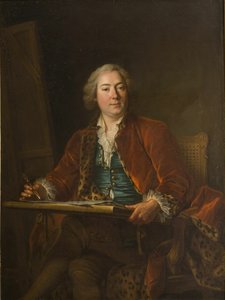
Charles André van Loo
1705 - 1765 , Francie
Stručné informace
- Artistic Movement Or Style: Rokoko
- Artists Who Influenced This Artist:
- Benedetto Luti
- Pierre Le Gros
- Date Of Birth: 15. února 1705
- Full Name: Charles-André van Loo
- Nationality: Francouzský
- Notable Artworks:
- Venus a Amor
- Přistání lovců
- Portrét Marie Leszczynské
- Place Of Birth: Nice, Francie