
 Náhled
 Sdílet
 Sdílet
 Podrobnosti o díle

 Stáhnout
 Podobné položky
 Rentgenové snímky
 Slideshow
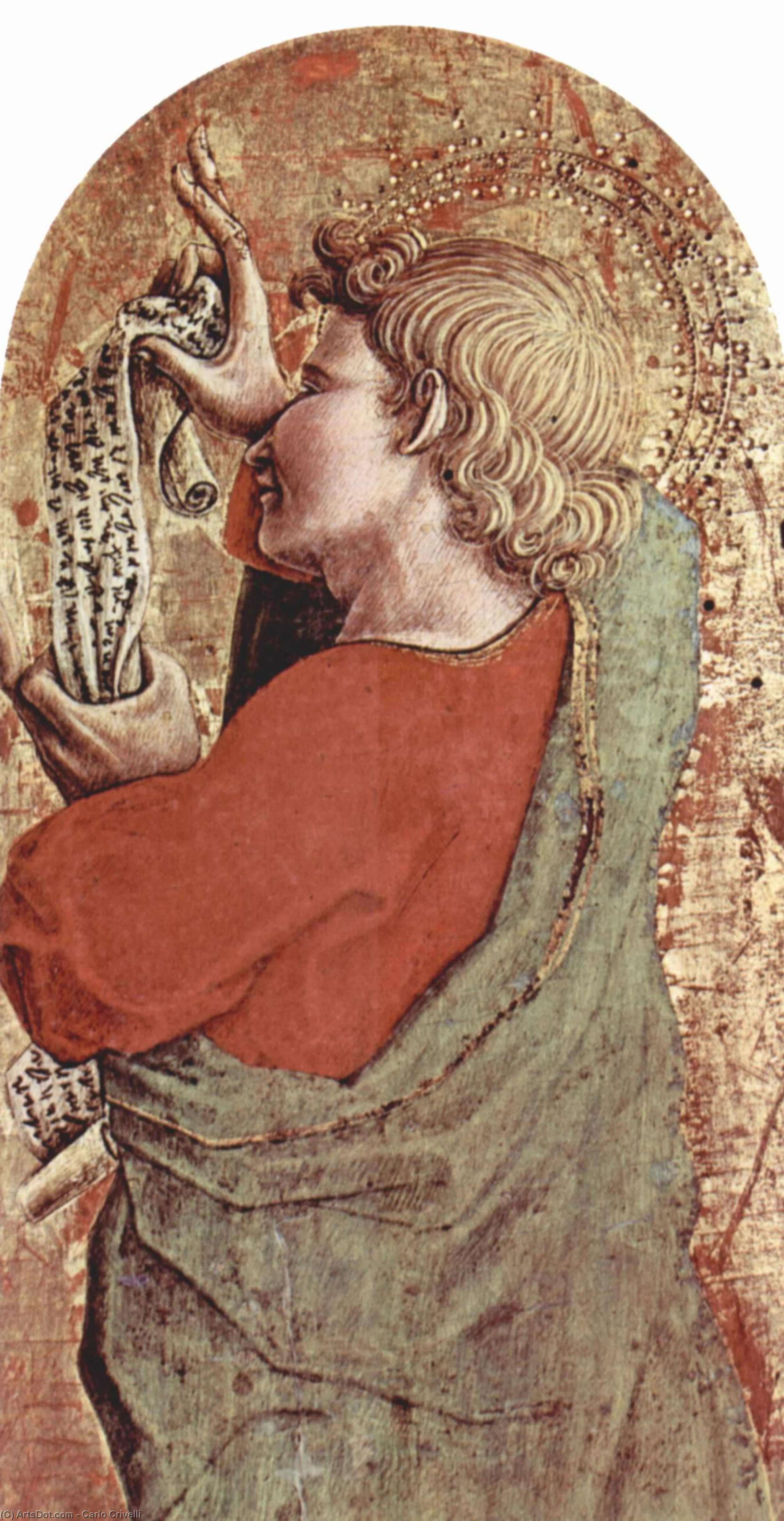
Saint James
 Oil On Panel
- Early Renaissance
 1473
1473- Renaissance
 29.0 x 17.0 cm
 Zobrazit více
Giclée / Umělecký tisk
Giclée nebo plátěný tisk muzeální kvality s rychlou výrobou a flexibilními možnostmi povrchové úpravy. ( Přepnout na ručně malovanou reprodukci Přepnout na obrázek)




P118B $10

P118H $10

P118W $10

P438Z $10

P508JH $12

P508YH $12

P805H $10

P805Z $10

P919BZ $10

P919G $10

P919XJ $10

P959ZH $10

P968JZ $12

W106C $8

W218G $10

W218JH $8

W218Y $10

W307PJ $10

W316G $10

W316PJ $8

W316Y $10

W398PJ $8

W4111J $10

W500HY $15

W500JH $15

W692G $12

W849H $8

W940BG $15

W953PJ $8




Vyberte si z našich přednastavených velikostí, které odpovídají původním proporcím díla.

Můžete zadat vlastní rozměry tak, aby výtvor odpovídal konkrétnímu rámu nebo prostoru. Pokud zvolená velikost nebude odpovídat poměru stran původního obrazu, dílo buď ořížeme, nebo obraz rozšíříme pomocí zrcadlového efektu či jednobarevného okraje. Před zahájením výroby vám bude zaslán digitální náhled k schválení.
Mějte prosím na paměti, že náhled na obrazovce neodráží skutečné oříznutí nebo rozšíření. Pouze digitální náhled přesně zobrazí finální kompozici.
Ačkoliv jsou k dispozici i vlastní rozměry, pro zachování původních proporcí doporučujeme vybrat si rozměr z předdefinovaného seznamu.
Celosvětové doručení () do 2 týdnů namísto standardních 4/5 týdnů. (10 srpen)

Zdarma celosvětová expresní doprava

Vysoce kvalitní lněné plátno

Kompletní přepravní pojištění

Záruka vrácení celního poplatku

Záruka přesného barevného shodu

60denní lhůta pro vrácení zboží (pouze při vadách výroby)

100% garance vrácení peněz

Sleva při hromadné objednávce
 Skleněná varianta je dostupná pouze u rozměrů menších než 110 cm

Saint James
Giclée / Umělecký tisk
Rozměry reprodukce
-


Celková cena za výběr
$ 80
Popis sběratelského kousku
A Divine Encounter in Oil
In the quiet, textured depths of Carlo Crivelli’s Saint James, painted in 1473, viewers are transported to the dawn of the Italian Renaissance. This intimate masterpiece, rendered on a delicate wood panel, captures a moment of profound spiritual connection. The composition centers on a noble male figure—often identified through his attributes as a saintly presence—who rests his hand with gentle authority upon the head of a winged lion. There is an immediate, palpable sense of reverence in the way the figure holds his book, a symbol of divine wisdom and sacred scripture, while the lion gazals outward, bridging the gap between the earthly and the celestial. The painting does not merely depict a scene; it invites the observer into a meditative state, where the weight of history and the lightness of grace coexist.
The artistry of Crivelli is nothing short of mesmerizing, characterized by a meticulous attention to detail that defines his unique Venetian-influenced style. As an expert in the nuances of the Early Renaissance, one cannot help but admire the way the artist utilizes impasto techniques to breathe life into the fabric of the saint's crimson robes. The red pigments are layered with such richness that they seem to catch the light even in shadow, creating a tactile sensation of heavy, luxurious drapery. Crivelli’s mastery of trompe l'oeil—the art of optical illusion—is evident in the way the organic shapes of the lion’s wings and the anatomical precision of the figure’s hands emerge from a mottled, earthy background. This textured backdrop, far from being a mere void, acts as a weathered tapestry of time, lending the work an ancient, venerable soul.
Symbolism and the Renaissance Spirit
Beyond its aesthetic splendor, Saint James serves as a profound vessel for religious and civic symbolism. The presence of the winged lion is particularly evocative; while it serves as a companion to the saint, it also carries the heavy weight of Venetian identity, representing strength, majesty, and the watchful eye of the Republic. The interplay between the human form and the beast suggests a harmony between man’s intellect—represented by the book—and the untamed power of nature and divinity. For the discerning collector or interior designer, this piece offers more than just decoration; it provides a focal point of intellectual depth. The subtle lighting, descending from above to cast soft shadows across the musculature of the figure, creates a three-dimensional presence that commands attention in any curated space.
Integrating a reproduction of such historical significance into a modern environment allows for a sophisticated dialogue between the past and the present. Whether placed in a sunlit study or a grand, classical hallway, the work’s muted, earthy tones and dramatic highlights provide a sense of permanence and prestige. It is an artwork that rewards prolonged contemplation, offering new layers of meaning with every glance at its fine lines and masterful brushwork. To possess such a piece is to hold a fragment of the 15th century, a testament to the enduring power of Crivelli’s vision and the timeless beauty of the Renaissance spirit.
Biografie umělce
mladý život a vzdělání
Italský renesanční malíř Carlo Crivelli se narodil ve Venedici kolem let 1430–1435. Pocházel z malířské rodiny a svou uměleckou formaci získával ve Venedici i Padově. Předpokládá se, že jeho raný výcvik probíhal pod vedením Jacobella del Fiore, který byl stále aktivní v roce 1ardı 1436. Studoval také ve škole rodiny Vivarini ve Venedici.
kariéra a styl
Crivelli strávil své rané roky v oblasti Veneto, kde nasával vlivy mistrů jako byli Vivarini, Squarcione a Mantegna. Do roku 1458 opustil Veneto a většinu své kariéry strávil v oblasti Marche v Anconě, kde si vyvinul naprosto jedinečný osobní styl, který ostře kontrastuje s dílem jeho benátského současníka Giovanni Belliniho. Crivelliho tvorba je charakteristická konzervativní dekorační citlivostí pozdní gotiky, pro kterou je typická lineární kvalita, neuvěřitelná pozornost k detailu a mistrovské využití technik trompe l'oeil, které klamou oko.
významná díla a spolupráce
* Malba Carla Crivelliho nazvaná „。Madona s Dětětem na trůnu“ (106 x 55 cm, Muzeum krásných umění, Budapešť, Maďarsko) představuje dokonalý příklad jeho stylu. * Na několika projektech spolupracoval se svým mladším bratrem Vittoriem Crivellim. * Jeho žákem a spolupracovníkem byl také Pietro Alemanno, malíř, který emigroval do oblasti Marche z Německa či Rakouska.
muzea a sbírky
* Galerie Pinacoteca di Brera v Miláně v Itálii obsahuje několik Crivelliho děl, včetně „Piety“ (128 x 241 cm). * Muzeum San Giovanni in Bragora ve Venediku v Itálii spravuje sbírku uměleckých děl z různých období a stylů, včetně některých děl připisovaných právě Crivellimu.
- Prohlédněte si díla Carla Crivelliho na OriginalUniqueArt.com
- Objevte díla Jacopa Robustiho na OriginalUniqueArt.com
- Dočtěte si více o Carlu Crivellim na Wikipedia
Crivelliho odkaz nadále inspiruje milovníky umění i vědce, přičemž jeho dílo zůstává svědectvím o trvalé síle konzervativní dekorační citlivosti pozdní gotiky.

Carlo Crivelli
1435 - 1495 , Itálie
Rychlé fakta
- Artistic Movement Or Style: Pozdní gotika/Renesance
- Artists Or Movements Influenced By This Artist: ['Giovanni Bellini']
- Artists Who Influenced This Artist:
- Jacobello del Fiore
- Vivarini
- Squarcione
- Mantegna
- Date Of Birth: ok. 1430-35 Benátky
- Date Of Death: ok. 1495 Itálie
- Full Name: Carlo Crivelli
- Nationality: Italská
- Notable Artworks:
- Madona s Dětětem
- Svatý Bartoloměj
- Svatý Roch
- Place Of Birth: Benátky, Itálie
Související články

James Abbott McNeill Whistler: Top 25 mistrovských děl pro váš interiér | OriginalUniqueArt.com
Prozkoumejte 25 ikonických děl Jamese Abbotta McNeilla Whistlera! Obrazy Nocturnes, portréty a estetismus. Inspirace pro interiér s uměleckými reprodukcemi nejvyšší kvality na OriginalUniqueArt.com. Objevte celou kolekci online.

Sir Alfred James Munnings: Top 25 Děl Mistra Koní – Umění a Dekorace pro Vaši Sbírku
Prozkoumejte 25 ikonických obrazů Alfreda Jamese Munnings, mistra koní a anglického impresionismu. Obdivujte realistické krajinomalby, jezdecké scény a válečné obrazy. Reprodukce a luxusní dekorace na OriginalUniqueArt.com! Prohlédněte si celou sbírku online.
Oil on Board: A Historical Survey of Technique, Aesthetic Qualities & Enduring Appeal
Explore the rich history of oil on board painting! Discover techniques, aesthetic qualities & enduring appeal from early masters to modern practice. Expert insights for collectors and art enthusiasts.

The Enduring Legacy of Oil on Canvas: Technique, History & Aesthetic Impact
Explore the rich history & techniques of oil painting – from Renaissance masters to Impressionism. Discover pigments, layering methods, and why this timeless medium endures. Expert insights for artists & art enthusiasts.

Oil on Canvas: A Historical & Technical Exploration of a Timeless Artistic Medium
Explore the rich history & enduring techniques of oil painting on canvas. Discover the science behind its longevity, conservation practices, and contemporary relevance. Expert insights for art enthusiasts.



