Přepnout na tisk
 Zobrazit více







































 U děl nebo reprodukcí, u nichž je jakákoliv strana větší než 105 cm (přibližně 41 palců), bude rám dodán jako sestava v rozloženém stavu. Tato metoda zajišťuje bezpečné doručení a chrání dílo před poškozením během přepravy.


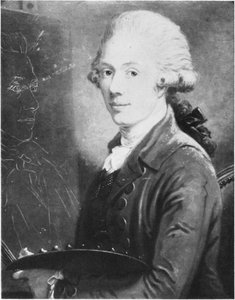
James Ramsay (1733–1789): A Portrait of Dignified Reflection
James Ramsay’s portrait, completed around 1789, stands as a testament to the neoclassical aesthetic and embodies the spirit of intellectual contemplation characteristic of its era. Painted by Carl Fredrik von Breda, this artwork captures not merely an image but also a profound sense of character—a man steeped in knowledge and imbued with moral seriousness.
- Subject Matter: The central figure is an elderly clergyman, meticulously rendered in detail, reflecting the prominent role of religion within Enlightenment society. His gaze directs firmly toward the viewer, conveying confidence and unwavering conviction.
- Style & Technique: Von Breda’s masterful brushwork exemplifies neoclassical precision. He employs a muted color palette dominated by browns and reds—a deliberate choice that lends an air of solemnity to the composition. The artist skillfully utilizes hatching and shading to sculpt form, creating depth and texture that bring the portrait to life.
- Composition: The bust-length format prioritizes facial expression and psychological insight. Background elements – a dark landscape punctuated by a distant sailing ship—serve as subtle contextual cues, hinting at Ramsay’s maritime connections or broader historical influences.
- Symbolism: Books and papers adorning the desk symbolize intellectual pursuits and spiritual devotion. They underscore Ramsay's erudition and represent the values championed during the Enlightenment period.
- Historical Context: Created in the late 18th century, this portrait aligns with the burgeoning interest in realism and moral philosophy that defined neoclassical art. It reflects a desire to portray individuals as embodiments of virtue and intellect—a legacy of artists like Joshua Reynolds who championed similar ideals.
The artist’s meticulous attention to anatomical accuracy is evident in the depiction of Ramsay's face, where wrinkles and furrowed brows convey age and experience. The spectacles perched upon his nose further emphasize his scholarly persona.
Beyond its formal beauty, “James Ramsay” resonates with an emotional depth that speaks to the enduring fascination with portraiture as a medium for capturing human essence. Von Breda’s skillful rendering invites contemplation on themes of dignity, intellect, and moral responsibility—qualities valued throughout history.
Otázky a odpovědi
Do které místnosti by se vzhledem k barevné skladbě doporučovalo umělecké dílo „James Ramsay (1733–1789)“ od Carl Fredrik von Breda?
Vzhledem k jeho Zemité tóny barevnosti je dílo „James Ramsay (1733–1789)“ doporučeno do místnosti Obývací pokoj.
Jakou barevnou harmonii představuje dílo „James Ramsay (1733–1789)“ od Carl Fredrik von Breda?
Barvy díla „James Ramsay (1733–1789)“ od Carl Fredrik von Breda vykazují Vyvážená harmonie harmonii. Harmonie popisuje vzájemný vztah barev k sobě navzájem.
Jaké emoce vyvolávají barvy díla „James Ramsay (1733–1789)“ od Carl Fredrik von Breda?
V díle "James Ramsay (1733–1789)" doprovází Zemité tóny barev Závažný pocit.
 Náhled v interiéru
 Sdílet
 Sdílet
 Podrobnosti o díle
 Průvodce

 Stáhnout
 Podobné položky
 Rentgenové snímky
 Slideshow
 Otázky a odpovědi
 Statistiky