
 Náhled
 Sdílet
 Sdílet
 Podrobnosti o díle

 Stáhnout
 Podobné položky
 Rentgenové snímky
 Slideshow
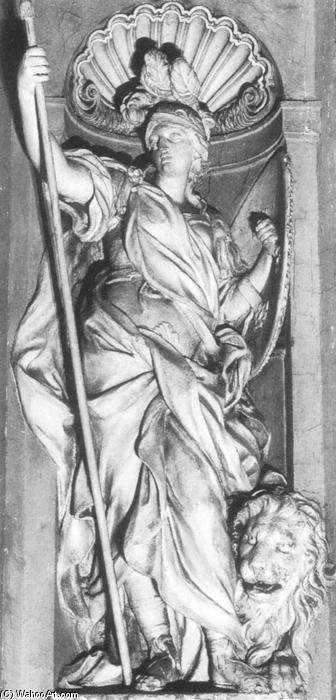
Fortitude

 Zobrazit více
Koupě vysoce rozlišeného, vylepšeného digitálního obrazu, který je mnohem kvalitnější než online náhled.
Každý soubor je pečlivě připraven našimi odborníky pomocí pokročilých nástrojů a expertní manuální retuše. Zajišťujeme, aby každý obraz disponoval výjimečnou ostrostí, přesnou barevnou věrností a jemnými detaily.
Finální soubor vám bude do 72 hodin zaslán e-mailem, optimalizovaný pro okamžité použití v profesionálním, redakčním i tiskovém prostředí. Nabízíme stejnou kvalitu, které důvěřují špičková designová studia, nakladatelství i galerie.
Digitální obrazy
Stáhněte si soubor ve vysokém rozlišení pro osobní prohlížení, tisk a kreativní projekty. ( Přepnout na tisk Přepnout na ručně malovanou reprodukci)
Součást každé objednávky digitálního obrazu
Profesionální digitální doručení, zaručeno.
Když si vyberete OriginalUniqueArt.com, nezískáváte pouze obrázek – získáváte digitální umělecké dílo s profesionálně vylepšenými detaily, zpracované s precizností a podpořené zárukou za spokojenost. Zde je vše, co vaše objednávka automaticky obsahuje:

Rychlé doručení e-mailem
Váš digitální obraz ve vysokém rozlišení vám bude zaslán e-mailem do 72 hodin od objednávky – připraven k okamžitému použití.

Digitální soubor s využitím AI
Vaše umělecké dílo je profesionálně optimalizováno pomocí pokročilých nástrojů umělé inteligence a manuální úpravy, což zajišťuje maximální úroveň detailu, ostrosti a přesnosti barev.

Bezplatné doživotní znovuodeslání
Soubor jste omylem smazali nebo ztratili? Žádný problém – kdykoliv vám ho znovu zašleme zcela zdarma.

Bez poplatků za dovoz – navždy
Užijte si své umělecké dílo okamžitě bez celních poplatků, daní nebo nákladů na dopravu – digitální stažení je vždy bez daňových povinností.

Záruka přesnosti barev
Pomocí profesionálních nástrojů a správy barev zajišťujeme, aby váš digitální obraz odrážel původní barvy co nejvěrněji.

60denní záruka spokojenosti
Pokud nebudete s digitální fotografií spokojeni, provedeme její revizi nebo vám vrátíme 100% během 60 dnů – bez jakýchkoliv dotazů.

100% záruka vrácení peněz
Nespokojeni? Získejte plnou částku zpět do 60 dní od přijetí vašeho digitálního souboru – bez jakýchkoliv dotazů.

Slevy při hromadných objednávkách
Koupěte si 3 obrazy, ušetřete 10% - Koupěte si 5, ušetřete 15% - Koupěte si 10+, ušetřete 20%. Ideální pro kreativní projekty, galerie a agentury.
Biografie umělce
A Bridge Between Eras: The Life and Art of Camillo Rusconi
Camillo Rusconi, born in Milan in 1658 and passing away in Rome in 1728, occupies a fascinating position within the history of Italian sculpture. He wasn’t merely a practitioner of the late Baroque; he was an artist who subtly, yet decisively, nudged the style toward the emerging sensibilities of Neoclassicism. His career unfolded during a period of artistic transition, and his work reflects this beautifully—a compelling blend of dynamic energy tempered by a growing emphasis on clarity and restraint. Rusconi’s journey began with formative training in Milan under Giuseppe Rusnati, who himself had strong ties to the workshop of Ercole Ferrata in Rome. This early exposure proved crucial, laying the groundwork for his eventual success and stylistic development within the heart of Roman artistic life.From Milan to Rome: Forging a Sculptural Path
In 1685 or 1686, Rusconi made the pivotal move to Rome, entering the studio of Ercole Ferrata. Fate intervened swiftly; Ferrata’s untimely death shortly after Rusconi's arrival meant the young sculptor had to quickly establish himself independently. He did so with remarkable speed and talent. Early commissions arrived steadily, including a significant project for the Ludovisi Chapel in Sant'Ignazio—four plaster allegorical statues representing Prudence, Justice, Temperance, and Strength. These works already hinted at Rusconi’s emerging style: powerful figures imbued with Baroque drama, yet possessing an underlying sense of order and composure. He also collaborated with Pierre Le Gros on the sculpting of angels for the tympanum of the altar of Saint Ignatius in the Church of the Gesù, further solidifying his reputation within Roman artistic circles. These early successes weren’t simply about securing patronage; they were about honing his skills and defining a unique voice amidst the established masters.Influences and Artistic Development
Rusconi's style wasn’t born in isolation. He absorbed the lessons of those who came before him, acknowledging the giants upon whose shoulders he stood. The influence of Alessandro Algardi and Gian Lorenzo Bernini is palpable—he adopted elements of their expressive forms and grand manner, understanding the power of dramatic gesture and emotional intensity. However, it was his relationship with the painter Carlo Maratta that proved most transformative. Maratta’s emphasis on ordered composition, clear presentation of figures, and a refined aesthetic resonated deeply with Rusconi. He sought to translate Maratta's principles into sculptural form, striving for a balance between Baroque dynamism and Neoclassical clarity. This pursuit led contemporaries to describe him as “Carlo Maratta in marble,” a testament to his ability to capture the painter’s spirit within the solid medium of stone.Monumental Achievements and Lasting Legacy
Rusconi's career culminated in several monumental achievements that cemented his place in Roman art history. Perhaps most celebrated is the series of four larger-than-life apostle statues—Matthew, James the Great, Andrew, and John—created between 1708 and 1718 for the niches of the Archbasilica of St. John Lateran. This commission was a fiercely contested one, with Rusconi ultimately securing more work than his rivals, Le Gros and Pierre-Etienne Monnot, demonstrating the esteem in which he was held by patrons and fellow artists alike. The Tomb of Pope Gregory XIII, completed between 1715 and 1723 for St. Peter's Basilica, stands as another testament to his skill in creating monumental funerary sculpture—a powerful blend of Baroque grandeur and Neoclassical restraint. Beyond these major projects, Rusconi contributed architectural decoration to San Silvestro in Capite, San Salvatore in Lauro, and the Chiesa Nuova (Santa Maria in Vallicella), leaving an indelible mark on the Roman cityscape. He also created the tomb of Bartolomeo Corsino in San Giovanni in Laterano and the monument for Prince Alessandro Sobieski in Santa Maria della Concezione. Rusconi’s influence extended beyond his own artistic creations. He trained a number of successful sculptors, including Pietro Bracci, Giovanni Battista Maini, and Filippo della Valle, ensuring that his stylistic principles would continue to flourish. In 1727, he was honored with the title of Principe (Prince) of the Accademia di San Luca—a fitting recognition of his standing within the Roman artistic community. Camillo Rusconi’s legacy lies not only in the beauty and power of his sculptures but also in his role as a pivotal figure in the transition from the Baroque to Neoclassical styles, shaping the course of Roman sculpture for generations to come.
Camillo Rusconi
1658 - 1728 , Italy
Stručné informace
- Artistic Movement Or Style: Late Baroque, Neoclassicism
- Artists Or Movements Influenced By This Artist:
- Pietro Bracci
- Giovanni Maini
- Filippo della Valle
- Artists Who Influenced This Artist:
- Algardi
- Bernini
- Carlo Maratta
- Date Of Birth: 1658
- Date Of Death: 1728
- Full Name: Camillo Rusconi
- Nationality: Italian
- Notable Artworks:
- Apostles at St. John Lateran
- Tomb of Pope Gregory XIII
- St James the Great
- Fortitude
- St John the Baptist
- Place Of Birth: Milan, Italy

