
 Náhled
 Sdílet
 Sdílet
 Podrobnosti o díle

 Stáhnout
 Podobné položky
 Rentgenové snímky
 Slideshow
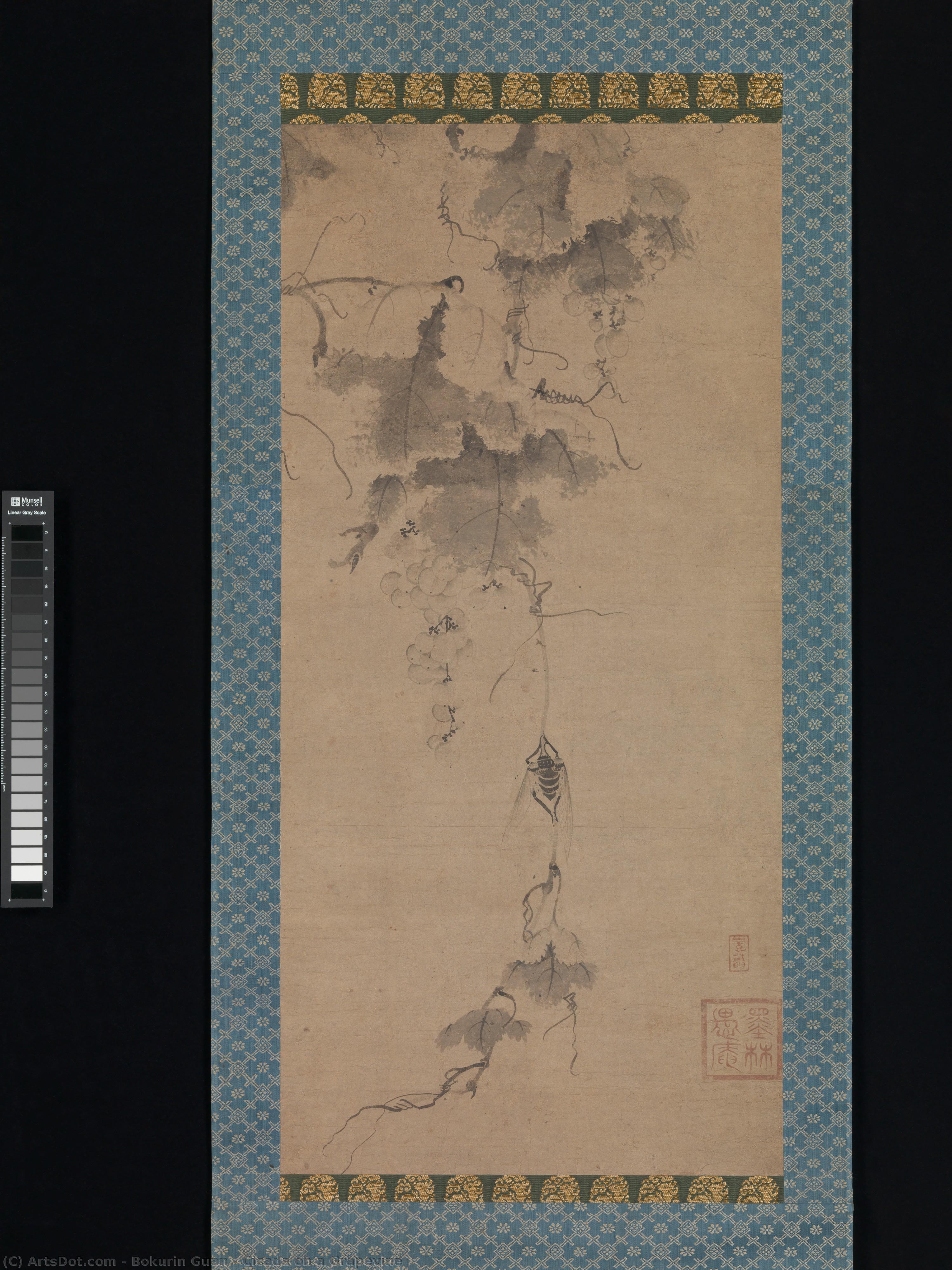
Cicada on a Grapevine
 Ink Painting
 301
301 64.0cm x 31.0cm
 Zobrazit více
Koupě vysoce rozlišeného, vylepšeného digitálního obrazu, který je mnohem kvalitnější než online náhled.
Každý soubor je pečlivě připraven našimi odborníky pomocí pokročilých nástrojů a expertní manuální retuše. Zajišťujeme, aby každý obraz disponoval výjimečnou ostrostí, přesnou barevnou věrností a jemnými detaily.
Finální soubor vám bude do 72 hodin zaslán e-mailem, optimalizovaný pro okamžité použití v profesionálním, redakčním i tiskovém prostředí. Nabízíme stejnou kvalitu, které důvěřují špičková designová studia, nakladatelství i galerie.
Digitální obrazy
Stáhněte si soubor ve vysokém rozlišení pro osobní prohlížení, tisk a kreativní projekty. ( Koupit tisk Koupit ručně malovaný obraz)
Součást každé objednávky digitálního obrazu
Profesionální digitální doručení, zaručeno.
Když si vyberete OriginalUniqueArt.com, nezískáváte pouze obrázek – získáváte digitální umělecké dílo s profesionálně vylepšenými detaily, zpracované s precizností a podpořené zárukou za spokojenost. Zde je vše, co vaše objednávka automaticky obsahuje:

Rychlé doručení e-mailem
Váš digitální obraz ve vysokém rozlišení vám bude zaslán e-mailem do 72 hodin od objednávky – připraven k okamžitému použití.

Digitální soubor s využitím AI
Vaše umělecké dílo je profesionálně optimalizováno pomocí pokročilých nástrojů umělé inteligence a manuální úpravy, což zajišťuje maximální úroveň detailu, ostrosti a přesnosti barev.

Bezplatné doživotní znovuodeslání
Soubor jste omylem smazali nebo ztratili? Žádný problém – kdykoliv vám ho znovu zašleme zcela zdarma.

Bez poplatků za dovoz – navždy
Užijte si své umělecké dílo okamžitě bez celních poplatků, daní nebo nákladů na dopravu – digitální stažení je vždy bez daňových povinností.

Záruka přesnosti barev
Pomocí profesionálních nástrojů a správy barev zajišťujeme, aby váš digitální obraz odrážel původní barvy co nejvěrněji.

60denní záruka spokojenosti
Pokud nebudete s digitální fotografií spokojeni, provedeme její revizi nebo vám vrátíme 100% během 60 dnů – bez jakýchkoliv dotazů.

100% záruka vrácení peněz
Nespokojeni? Získejte plnou částku zpět do 60 dní od přijetí vašeho digitálního souboru – bez jakýchkoliv dotazů.

Slevy při hromadných objednávkách
Koupěte si 3 obrazy, ušetřete 10% - Koupěte si 5, ušetřete 15% - Koupěte si 10+, ušetřete 20%. Ideální pro kreativní projekty, galerie a agentury.
A Moment of Serenity: "Cicada on a Grapevine" by Bokurin Guan
This exquisite ink painting, “Cicada on a Grapevine,” offers a captivating glimpse into 14th-century Japanese artistry. Created by the Zen monk Bokurin Guan, this monochrome masterpiece embodies the principles of *sumi-e* (ink wash painting), a revered tradition emphasizing simplicity, observation, and spiritual contemplation. The artwork depicts a solitary cicada clinging to a withered grapevine, capturing a poignant moment at the close of summer. It was originally part of a diptych; its companion piece, now housed in Kyoto’s Honpōji temple, portrays a grasshopper amidst vibrant foliage – a contrasting scene representing the peak of summer's vitality.Style and Technique: The Essence of *Sumi-e*
Bokurin Guan demonstrates remarkable skill within the *sumi-e* tradition. The painting’s power lies not in elaborate detail, but in the masterful use of ink tones to suggest form, texture, and depth. Notice how varying brushstrokes – from delicate washes to bold lines – create a sense of movement and life despite the monochromatic palette. The artist's controlled handling of the brush reveals a disciplined technique honed through rigorous training. The subtle gradations of grey evoke the fading light of late summer, contributing to the painting’s overall mood of quiet reflection.- Monochrome Palette: The exclusive use of black ink emphasizes form and texture over color.
- Brushwork: A variety of brushstrokes create depth, movement, and a sense of spontaneity.
- *Sumi-e* Tradition: Rooted in Zen Buddhism, this style prioritizes simplicity and capturing the essence of nature.
Symbolism & Historical Context: Perpetuity and Zen Philosophy
Beyond its aesthetic beauty, "Cicada on a Grapevine" is rich with symbolic meaning. Grapevines, laden with fruit, have long been associated in East Asian cultures with fecundity, abundance, and the concept of perpetuity – an enduring cycle of life, death, and rebirth. The cicada itself holds significant cultural weight; its emergence from the earth after years spent underground symbolizes transformation and immortality. The pairing of these elements within a Zen Buddhist context suggests a meditation on impermanence and the cyclical nature of existence. Living in the late 14th century, Guan’s work reflects the artistic trends of the Muromachi period, characterized by a shift towards more naturalistic depictions and an increased emphasis on individual expression within established traditions. While little is definitively known about Bokurin Guan himself, his painting speaks volumes about his understanding of Zen principles and his keen observation of the natural world.Emotional Impact & Decorative Appeal
"Cicada on a Grapevine" evokes a sense of tranquility and contemplative stillness. The solitary cicada, poised against the backdrop of the fading vine, invites quiet reflection on the passage of time and the beauty of impermanence. This piece is not merely a depiction of nature; it's an invitation to mindfulness. As a decorative element, this reproduction would be stunning in a variety of settings – from minimalist modern spaces to traditional Japanese-inspired interiors. Its understated elegance and timeless appeal make it a captivating addition to any art collection or home décor scheme. The muted tones lend themselves well to both light and dark color palettes, creating a harmonious visual balance within the room.Biografie umělce
A Moment Frozen in Time: Bokurin Guan and the Legacy of Cicada on a Grapevine
The late Nanbokuchō period (1336–92) witnessed a flourishing artistic landscape in Japan, marked by intricate detail and profound contemplation. Amidst this vibrant scene emerged Bokurin Guan (墨林愚庵筆), an artist whose singular masterpiece – “Cicada on a Grapevine” – continues to resonate with scholars and admirers alike. While biographical details surrounding Guan remain elusive, his work speaks volumes about the artistic sensibilities of his era and establishes him as a pivotal figure in Japanese ink painting tradition.- Early Life & Artistic Training: Precise information regarding Guan’s birthdate and formative years is scarce. However, he was recognized as a student of Sesshu Toyokuni (西十字豊國), arguably Japan's most influential painter of the Nanbokuchō period. Sesshu championed a minimalist aesthetic rooted in Zen Buddhism—a philosophy that profoundly impacted Guan’s artistic vision.
- The Cicada on a Grapevine: This small but monumental painting, housed at The Metropolitan Museum of Art, exemplifies Guan's mastery of technique and his ability to distill complex ideas into deceptively simple forms. Executed in delicate ink wash (sumi-e), the scene depicts a single cicada clinging to a withered grapevine branch against a pale grey background. The composition is remarkably balanced, prioritizing spatial harmony over dramatic gesture.
- Influence & Legacy: Bokurin Guan’s “Cicada on a Grapevine” stands as a testament to the enduring power of minimalist aesthetics and contemplative observation. It has served as an inspiration for subsequent generations of ink painters, who sought to emulate Guan's serene style and profound understanding of Zen philosophy.
- Historical Significance: Guan’s work embodies the spirit of his time—a period marked by political instability yet simultaneously characterized by a deep appreciation for natural beauty and spiritual contemplation. “Cicada on a Grapevine” remains a cornerstone of Japanese art history, demonstrating that true artistic achievement lies not in grand spectacle but in capturing the essence of existence with understated grace.

bokurin guan
Japan
Stručné informace
- Artistic Movement Or Style: Ink Painting
- Full Name: bokurin guan
- Nationality: Japanese
- Notable Artworks: ['Cicada on a Grapevine']
- Place Of Birth: Tokyo, Japan

