Náhled v interiéru
 Sdílet
 Sdílet
 Podrobnosti o díle
 Průvodce

 Stáhnout
 Podobné položky
 Rentgenové snímky
 Slideshow
 Q&A
Q&A Statistiky
Cryptic Confessions, The Question


 Zobrazit více
Umělecké dílo zobrazené na této stránce je chráněno autorským zákonem, což znamená, že nemůžeme legálně vytvářet ani prodávat jeho identickou reprodukci. Tato ochrana je vymáhána na základě mezinárodních dohod, jako například Berberská úmluva a národními zákony, včetně těch stanovených v Americký autorský zákon – Díl 17. Všechna práva vyhrazena.
Tato metoda je plně v souladu s autorským právem, protože nezahrnuje kopírování ani duplikování chráněného díla. Jde o kreativní reinterpretaci – nový obraz, který je inspirován originálem, ale není s ním identický.
Giclée / Umělecký tisk
Giclée nebo plátěný tisk muzeální kvality s rychlou výrobou a širokou nabídkou povrchových úprav. ( Koupit ručně malovaný obraz Přepnout na digitální obraz)




P118B Kč10

P118H Kč10

P118W Kč10

P438Z Kč10

P508JH Kč12

P508YH Kč12

P805H Kč10

P805Z Kč10

P919BZ Kč10

P919G Kč10

P919XJ Kč10

P959ZH Kč10

P968JZ Kč12

W106C Kč8

W218G Kč10

W218JH Kč8

W218Y Kč10

W307PJ Kč10

W316G Kč10

W316PJ Kč8

W316Y Kč10

W398PJ Kč8

W4111J Kč10

W500HY Kč15

W500JH Kč15

W692G Kč12

W849H Kč8

W940BG Kč15

W953PJ Kč8




Vyberte si z našich přednastavených velikostí, které odpovídají původním proporcím díla.

Zadejte šířku a výšku, které potřebujete pro váš rám nebo stěnu. Tisk lze pouze oříznout, nikdy však nelze zvětšit obraz nad jeho původní rozměr, proto při výběru jiného formátu dochází ke ztrátě části obrazu. Před samotným tiskem vám zašleme digitální náhled k schválení. Obraz zobrazený na této stránce nenabízí skutečný výřez — ten uvidíte pouze v náhledu.
Celosvětové doručení () do 2 týdnů namísto standardních 4/5 týdnů. (1 listopad)

Zdarma celosvětová expresní doprava

Vysoce kvalitní lněné plátno

Kompletní pojištění přepravy

Záruka vrácení celního poplatku

Záruka věrného barevného souladu

100dení lhůta pro vrácení zboží (pouze při vadách výroby)

100% záruka vrácení peněz

Sleva při více objednávkách
 Skleněná varianta je dostupná pouze u rozměrů menších než 110 cm

Cryptic Confessions, The Question
Giclée / Umělecký tisk
Rozměry reprodukce
-


Celková cena za vybrané možnosti reprodukcí
Kč 1738
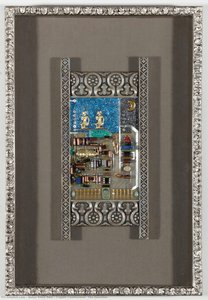
Meditace nad Pamětí a Odporu: Prozkoumávání „Cryptic Confessions, The Question“ Betye Saarové
Betye Irene Saarova dílo „Cryptic Confessions, The Question“, vytvořeno v roce 1988, představuje vrchol assemblážní estetiky – médium, které Saarová pionýrsky vybudovala – a dokazuje jeho schopnost vyjadřovat hluboké emocionální i intelektuální rezonanci. Jedná se o více než jen složení předmětů; jde o záměrnou provokaci odrážející Saarovu celoživotní zálibu ve výzvě kultovní společnosti vůči rasistickým názorům na černou ženu, zatímco současně prohlubuje osobní vzpomínky a duchovní rozhled. Výtvarné dílo využívá výrazné modré pozadí jako plochu pro pečlivě sestavenou kolekci materiálů – lahve, hodinky a misku –, každou z nich nabitou symbolickou hodnotou, která odkazuje na témata času, uzavření a fragmentované povahy zkušenosti.- Styl: Saarův přístup zcela odpovídá tradici assembláže založené Marcel Douchampem a Kurt Schwitterským, kde prioritou není estetická úprava, ale konceptuální průzkum. Na rozdíl od mnoha současníků však Saar odmítá formální experimentování ve prospěch hlubokého spojení s místními materiály – předměty získané z každodenního života –, které transformuje na prostředek sociálního komentáře.
- Technika: Konstrukce sochy zahrnuje lepování nebo zajištění předmětů na dřevěnou plochu, což vytváří strukturovanou a vrstvenou kompozici, která vyzývá diváka k aktivnímu zapojení do její vizuální i intelektuální dimenze. Saar pečlivě zvažuje umístění každého prvku s cílem nejen dosáhnout rovnováhy, ale také vyjadřovat konkrétní příběhy a emocionální stave.
Otázky a odpovědi
Lze dílo „Cryptic Confessions, The Question“ zobrazit v náhledu v rozšířené realitě?
Stránka Náhled v rozšířené realitě pro dílo „Cryptic Confessions, The Question“ od Betye Irene Saar využívá rozšířenou realitu k tomu, abyste si toto umělecké dílo mohli pomocí kompatibilního zařízení prohlédnout přímo ve svém vlastním prostoru.
V jaké technice a v jakém roce vzniklo dílo „Cryptic Confessions, The Question“ od Betye Irene Saar?
Technikou díla „Cryptic Confessions, The Question“ od Betye Irene Saar je Akryl na plátně a dílo pochází z roku 1988.
K jaké fázi kariéry Betye Irene Saar odpovídá datum vzniku díla „Cryptic Confessions, The Question“ z roku 1988?
Datum 1988 umisťuje dílo „Cryptic Confessions, The Question“ do období Assemblage Era v rámci tvůrčího rozvoje umělce Betye Irene Saar.
Biografie umělce
A Life Forged in Assemblage: The World of Betye Saar
Betye Irene Saar, born in Los Angeles in 1926, is more than just an artist; she’s a visual storyteller, a cultural archaeologist, and a powerful voice challenging the narratives surrounding race, gender, and spirituality. Her journey began amidst personal shifts – the loss of her father when she was six, followed by a formative upbringing with her maternal great-aunt Hattie Parson Keys in Pasadena. This early experience deeply imprinted upon her an understanding of Black womanhood, resilience, and the power of inherited memory, themes that would become central to her artistic explorations. Saar’s academic path included a B.A. in Design from UCLA in 1949, followed by graduate studies at several California institutions, but it was a period of diverse creative pursuits – social work, jewelry making, costume design – that ultimately paved the way for her unique artistic voice. These early endeavors honed her sensitivity to materials and narrative, skills she would later deploy with profound effect in her assemblages.Finding Her Voice: From Printmaking to Three Dimensions
While initially drawn to printmaking, a pivotal moment arrived in 1967 with an exhibition of work by Joseph Cornell. The intricate, poetic boxes of Cornell sparked something within Saar, igniting a fascination with assemblage – the art of constructing three-dimensional works from found objects. This discovery proved transformative. It wasn’t merely about creating art *from* things; it was about imbuing those things with new meaning, reclaiming their histories, and challenging the stories they silently carried. Saar's artistic development was also profoundly influenced by her surroundings. The monumental Watts Towers, a testament to individual vision and resourceful construction, inspired her use of everyday materials and exploration of personal mythology. A visit to the Field Museum in Chicago exposed her to the rich visual languages of African, Oceanic, and Egyptian art, broadening her aesthetic horizons and deepening her connection to ancestral roots. These influences coalesced into a distinctive style characterized by its layered symbolism, evocative imagery, and powerful emotional resonance.Deconstructing Stereotypes: Themes and Artistic Style
Betye Saar’s work is fundamentally a critique of racism and the harmful stereotypes that have historically plagued representations of African Americans. She doesn't shy away from confronting these painful legacies; instead, she actively engages with them, transforming objects laden with racist imagery – “mammy” figures, antique advertisements, derogatory caricatures – into statements of empowerment and resistance. Her art is a process of deconstruction and reclamation, stripping away the layers of prejudice to reveal the humanity beneath. But Saar’s vision extends beyond racial injustice. She delves deeply into themes of spirituality, drawing from African religions, folklore, and mystical traditions to create works that explore the unseen forces shaping our lives. Her pieces often incorporate talismans, charms, and symbolic objects, inviting viewers to contemplate the power of belief and the search for meaning. Furthermore, Saar consistently addresses the experiences of Black women, reclaiming narratives often marginalized in mainstream art history and celebrating their strength, resilience, and inner worlds.Legacy and Recognition: A Pioneer’s Impact
Throughout her illustrious career, Betye Saar has received widespread acclaim for her groundbreaking work. She emerged as a key figure within the Black Arts Movement of the 1970s, a period of intense artistic and political activism that sought to redefine African American identity and challenge systemic oppression. Her artwork is now featured in prominent museum collections worldwide, including the Museum of Modern Art (MoMA) and the Whitney Museum of American Art, solidifying her place within the canon of contemporary art. Beyond these accolades, Saar has received honorary doctorate degrees from numerous institutions, recognizing not only her artistic achievements but also her contributions to art education and cultural discourse. Her historical significance lies in her pioneering exploration of complex social issues through innovative artistic practices. She paved the way for future generations of artists to address race, gender, and spirituality with honesty, courage, and a commitment to challenging the status quo. Her legacy extends far beyond individual artworks; she has inspired countless creators to reclaim their narratives, question conventions, and create art that is both visually compelling and politically engaged – a testament to the enduring power of her vision. Betye Saar’s work continues to resonate today, reminding us of the importance of confronting our past, celebrating our diversity, and striving for a more just and equitable future.
Betye Irene Saar
1926 - , United States of America
Rychlé informace o umělci
- Full Name: Betye Irene Saar
- Nationality: American
- Date Of Birth: 1926
- Place Of Birth: Los Angeles, United States of America
- Notable Artworks:
- Cryptic Confessions, The Question
- Lost Dimensions of Time
- Bridge to Infinity
- Artistic Movement Or Style: Assemblage, Black Arts Movement
- Artists Who Influenced This Artist:
- Joseph Cornell
- Simon Rodia
- Artists Or Movements Influenced By This Artist: Future generations of artists
Související články

10 legendárních bronzových mistrovských děl, která změnila umění | OriginalUniqueArt
Objevte 10 legendárních bronzových mistrovských děl od Rodina, Donatella a dalších. Ponořte se do historie umění a nechte se inspirovat nadčasovými sochařskými replikami pro váš interiér. Prozkoumejte celou kolekci online na OriginalUniqueArt.com!

The Enduring Form: Sculpture Across History, Technique & Emotional Resonance
Explore the rich history of sculpture with OriginalUniqueArt. Discover key techniques, influential artists & investment potential for discerning collectors. Expert insights into valuing and collecting timeless masterpieces.

Top 10 slavných obrazů s dominantní černou barvou | OriginalUniqueArt.cz
Prozkoumejte 10 nejslavnějších obrazů s dominantní černou barvou od Van Gogha, Muncha a dalších mistrů. Objevte příběhy za uměleckými díly, techniky a inspiraci. Reprodukce obrazů nejvyšší kvality na OriginalUniqueArt.com.

10 legendárních bronzových soch, které změnily umění | OriginalUniqueArt
Objevte 10 legendárních bronzových soch od Michelangela, Rodina a dalších mistrů! Ponořte se do historie umění, technik a příběhů za těmito nadčasovými díly. Najděte inspiraci pro váš interiér s OriginalUniqueArt.com – repliky nejvyšší kvality.

The Enduring Form: Exploring Themes & Techniques in Sculpture Across Historical Periods
Explore the rich history of sculpture from ancient masterpieces to contemporary innovations. Discover key techniques, influential artists & investment potential for discerning art collectors.