

 Zobrazit v interiéru
 Odeslat
 Sdílet
 Podrobnosti
 Průvodce

 Stáhnout obrázek
 Podobné kousky
 Rentgenové snímky
 Slideshow
 Statistiky
Kristus korunováněný vavřínem
 Akryl na plátně
- Obrazová tvorba na stěnu
- Italian Renaissance Baroque
 1522
1522 420.0 x 714.0 cm
 Biblioteca Ambrosiana
 Přečíst si více
Ručně malovaná olejová reprodukce
Ručně malované olejné plátno v libovolném rozměru i s rámem, vyrobené našimi umělci na zakázku. ( Přepnout na tiskové verze Přepnout na digitální verzi obrazu)




P118B $10

P118H $10

P118W $10

P438Z $10

P508JH $12

P508YH $12

P805H $10

P805Z $10

P919BZ $10

P919G $10

P919XJ $10

P959ZH $10

P968JZ $12

W106C $8

W218G $10

W218JH $8

W218Y $10

W307PJ $10

W316G $10

W316PJ $8

W316Y $10

W398PJ $8

W4111J $10

W500HY $15

W500JH $15

W692G $12

W849H $8

W940BG $15

W953PJ $8




Vyberte si z našich přednastavených velikostí, které odpovídají původním proporcím díla.

Můžete zadat vlastní rozměry pro konkrétní rám nebo prostor. Pokud se vámi vybraná velikost neshoduje s proporcemi původního obrazu, dílo buď ořízneme, nebo jej doplníme ručně malovanými prvky. Před zahájením výroby vám bude zaslán digitální náhled ke schválení.
Upozorňujeme, že náhled na obrazovce neodpovídá skutečnému ořezu ani rozšíření. Pouze digitální náhled přesně zobrazí finální kompozici.
Ačkoliv je možné zvolit vlastní velikost, pro zachování původních proporcí doporučujeme vybrat rozměr z předdefinovaného seznamu.
Po přijetí objednávky vám tým OriginalUniqueArt.com zašle e-mail s pokyny a poskytne náhledovou verzi.
Celosvětová doprava () za 3–4 týdny namísto standardních 5 týdnů. (25 září). Bez kompromisů v kvalitě.

Zdarma celosvětová expresní doprava

Vysoce kvalitní lněné plátno

Úplné pojištění přepravy

Záruka vrácení celního poplatku

Záruka věrného barevného shodu

100dení lhůta pro vrácení zboží (pouze při vadách výroby)

100% garance vrácení peněz

Sleva při více objednávkách
 Skleněná varianta je dostupná pouze u rozměrů menších než 110 cm

Kristus korunováněný vavřínem
Technika provedení
Velikost reprodukce
-


Celková cena
$ 300
Bernardino Luinihovo Mistrovské Dílo: Království s Korunou Železnic
Bernardino Luini, umělecký luminář lombardského Renesansu, se narodil kolem roku 1480 v Ranově, malé frakci nedaleko Dumenzy. Jeho rané životopisné stránky zůstávají částečně záhadou, nicméně jasně je vidět, že osud ho vedl směrem k Milánu – živoucímu centru umění severní Itálie. Už roku 1500 se přestěhovala jeho rodina s otcem, připravena vstoupit do rozsáhlého kreativního prostoru města. Přesné informace o jeho počátcích jsou omezené, ale potvrzují se údaje o školení pod Giovan Stefano Scotto či Ambrogio Bergognone – zkušenostmi, které zásadně ovlivnily jeho uměleckou cestu. Tento výcvik nebyl jen technický; byl to ponor do světa, který vybudoval Leonardo da Vinci – vztah mezi Luinim a mistrem zůstává předmětem debat, ale věřitelé jsou si obecně přesvědčeni o přímém působení Da Vincovy podpory. Tato spolupráce nebyla jen kopírování stylu; byla to inspirace z největšího umělce své doby.- Původní Kontext Historický: Luiniho dílo vzniklo v období vrcholného Renesansu, konkrétně roku 1522, což ho staví mezi nejvýznamnější představitele tohoto období. Milánská aristokracie podporovala umění a vědu, což vytvořilo ideální prostředí pro rozvoj kreativních projektů.
- Styl: Luiniho dílo vykazuje znaky klasicismu, ale zároveň je ovlivněno humanistickou estetickou filozofí. Jeho obrazy jsou charakteristické elegantními postavami a důrazem na harmonii proporcí – což odráží ideály doby.
- Technika Freska: Luini mistrovsky využívá techniku fresky, která umožňuje vytvořit odolné dekorativní výzdoby v prostorových hmotách. Použití pigmentů a jejich následná kombinace s vodou vytváří bohaté barvy a dokonalý efekt sfumato – což je zvláště pozoruhodné vzhledem k práci Da Vincovy.
- Poznámka pro Kolektivy Uměleckých Dekorací: Tento freskový obraz představuje inspirativní zdroj pro tvorbu interiérů a prostorových dekorací. Jeho elegantní estetika a bohaté barvy dokonale doplní každé prostředí.
- Pro Kolektory Výtvarného Umění: Království s Korunou Železnic je unikátním exponátem lombardského Renesansu, který si zaslouží místo v osobních sbírkách milovníků umění. Jeho autenticita a kvalita reprodukce zajišťují jeho dlouhodobou hodnotu.
Biografie umělce
A Lombard Luminary: The Life and Art of Bernardino Luini
Bernardino Luini, a name resonating softly within the annals of Italian Renaissance painting, emerged from the picturesque region surrounding Lake Maggiore around 1480. Born in Runo, a small *frazione* near Dumenza, his early life remains shrouded in some mystery, yet it’s clear that destiny propelled him towards Milan, the vibrant artistic heartland of northern Italy. By 1500, he had relocated with his father, poised to absorb the burgeoning creative energy of the city. While accounts vary regarding his initial training—some credit Giovan Stefano Scotto, others Ambrogio Bergognone—a more profound influence was undoubtedly on the horizon: Leonardo da Vinci. The precise nature of their relationship remains debated, but it’s widely believed Luini worked directly under the master, a formative experience that would indelibly shape his artistic trajectory. This apprenticeship wasn't merely technical; it was an immersion into a world of subtle observation, innovative composition, and the elusive quality known as *sfumato*, which Luini would skillfully integrate into his own unique style.The Embrace of Leonardo and the Birth of a Style
Luini’s artistic development wasn’t simply imitation; it was a sensitive assimilation of Leonardo’s techniques filtered through his own Lombard sensibility. He didn’t strive to replicate Da Vinci’s intellectual rigor or anatomical precision, but rather embraced the softer, more lyrical aspects of his style. This is particularly evident in his depictions of women—graceful figures with elongated eyes, often described as “Luinesque” by the discerning eye of Vladimir Nabokov. These captivating gazes possess a gentle melancholy, an inwardness that invites contemplation. Early works like the *Adoration of the Magi* (c. 1505) in San Pietro, Luino, already hint at this emerging style, showcasing a delicate handling of light and shadow and a growing mastery of composition. His frescoes for the Oratory of Santa Maria Nuova in Pilastrello and the subsequent commissions throughout Milan solidified his reputation as a leading artist of the region. The influence of Bernardino Zenale’s *Cantù Polyptych* is also visible in works like *St. Anthony of Padua* (1510s), demonstrating Luini's ability to synthesize diverse influences into a cohesive artistic vision.Frescoes, Palaces, and the Flourishing of Creativity
The first two decades of the 16th century witnessed a period of intense creative activity for Luini. He wasn’t confined to religious subjects; his talents were sought after for secular commissions as well. The frescoes he created between 1509 and 1514 for Villa Pelucca in Sesto San Giovanni stand as a testament to his versatility, depicting mythological scenes with a refined elegance that graced the walls of this aristocratic residence. These works, now housed in Milan’s Pinacoteca di Brera, reveal a painter equally adept at capturing the dynamism of classical narratives and the intimate beauty of human form. He continued to receive prestigious commissions, adorning churches and palaces throughout Lombardy with his distinctive style. His ability to imbue even grand-scale frescoes with an air of intimacy and emotional resonance cemented his position as one of the most sought-after artists of his time.Notable Works and Artistic Techniques
Luini’s oeuvre is characterized by a remarkable consistency in style, despite the diversity of commissions he received. His *Adoration of the Magi* (c. 1505) exemplifies his early mastery of composition and use of *sfumato*, while the frescoes in San Pietro, Luino, demonstrate his ability to create atmospheric depth and evoke a sense of solemnity. The *St. Anthony of Padua* (1510s), a cornerstone of his artistic legacy, showcases his signature elongated figures and subtle rendering of drapery. Luini’s work is particularly notable for its use of muted colors—earth tones, ochres, and browns—which contribute to the overall sense of serenity and introspection. He skillfully employed *chiaroscuro*, creating dramatic contrasts between light and shadow that heighten the emotional impact of his scenes. His meticulous attention to detail, combined with a profound understanding of human psychology, resulted in paintings that are both visually stunning and deeply moving.Legacy and Enduring Appeal
Bernardino Luini passed away in Milan in June 1532, leaving behind a legacy that extended beyond his own lifetime. His son, Aurelio, followed in his footsteps, continuing the family’s artistic tradition. However, it is Bernardino who remains the more celebrated figure, remembered for his graceful figures, delicate *sfumato*, and the uniquely captivating quality of his “Luinesque” women. His work served as an inspiration to subsequent generations of artists, influencing the development of Lombard painting and contributing to the broader currents of Italian Renaissance art. Today, Luini’s masterpieces can be found in museums and churches throughout Italy—the Pinacoteca di Brera being a particularly rich repository of his works. His paintings continue to enchant viewers with their beauty, grace, and enduring emotional power, offering a glimpse into the artistic sensibilities of a bygone era. Salome with the Head of John the Baptist, for example, continues to captivate audiences with its dramatic intensity and masterful execution, while Holy Family with Saints Anne and John the Baptist exemplifies his serene and harmonious compositions.
Bernardino Luini
1480 - 1532 , Itálie
Rychlé informace
- Artistic Movement Or Style: Renesanční, Mannerismus
- Artists Or Movements Influenced By This Artist: ['Luineský styl']
- Artists Who Influenced This Artist: ['Leonardo da Vinci']
- Date Of Birth: c. 1480
- Date Of Death: 1532
- Full Name: Bernardino Luini
- Nationality: Italanský
- Notable Artworks:
- Adorace Magů
- Sv. Antonín Paduánský
- Fresky Villa Pelucca
- Place Of Birth: Reno, Itálie
Související články
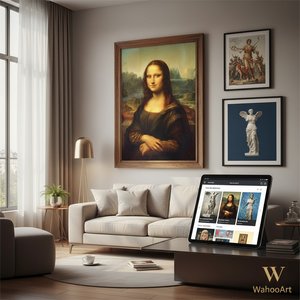
Louvre: Top 25 uměleckých děl | Reprodukce obrazů a inspirace pro interiér
Prozkoumejte 25 nejvýznamnějších uměleckých děl Louvre v Paříži! Obdivujte Monu Lisu, Michelangelova Davida a další klasiky renesance, impresionismu a baroka. Najděte inspiraci pro váš interiér a luxusní reprodukce obrazů na OriginalUniqueArt.com.
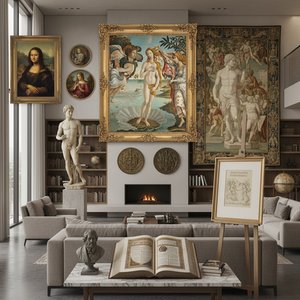
Renesanční humanismus v umění: Top 10 mistrovských děl pro váš interiér
Prozkoumejte 10 ikonických děl renesance – od Da Vinciho po Michelangela. Objevte příběhy, techniky a nadčasovou krásu humanismu v umění. Reprodukce nejvyšší kvality na OriginalUniqueArt.com!

Freska jako rodinné dědictví: Zachovejte svůj původ v obrazech na stěnách
Objevte sílu fresek pro uchování rodinné historie! Kvalitní reprodukce a zakázková malba od . Inspirujte se historií umění a vytvořte jedinečný obraz vašeho původu.
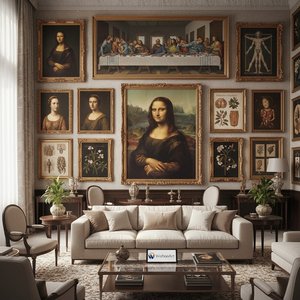
Leonardo da Vinci: Top 25 mistrovských děl pro váš domov | OriginalUniqueArt.cz
Prozkoumejte 25 ikonických děl Leonarda da Vinciho – od slavné Mona Lisy po Poslední večeři. Objevte renesanční umění, techniky a inspirativní příběhy za mistrovskými díly. Kvalitní reprodukce obrazů pro váš interiér na OriginalUniqueArt.cz
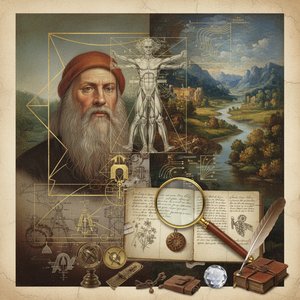
Leonardo da Vinci: A Renaissance Master’s Synthesis of Art, Science & Human Observation – Reinterpreted for the Collector
Explore Leonardo da Vinci’s timeless masterpieces with OriginalUniqueArt. Discover insights into his art, science, and legacy – trusted expertise for discerning collectors seeking authentic reproductions & investment opportunities.

