

 Zobrazit v interiéru
 Odeslat
 Sdílet
 Podrobnosti
 Průvodce

 Stáhnout obrázek
 Podobné kousky
 Rentgenové snímky
 Slideshow
 Statistiky
Na pohovce
 Akryl na plátně
- Obrazová tvorba na stěnu
- Impressionistic Style
 1948
1948 39.0 x 38.0 cm
 Bristol Museum - Art Gallery
 Přečíst si více
Umělecké dílo zobrazené na této stránce je chráněno autorským zákonem, což znamená, že nemůžeme legálně vytvářet ani prodávat jeho identickou reprodukci. Tato ochrana je vymáhána na základě mezinárodních dohod, jako například Berberská úmluva a národními zákony, včetně těch stanovených v Americký autorský zákon – Díl 17. Všechna práva vyhrazena.
Tato metoda je plně v souladu s autorským právem, protože nezahrnuje kopírování ani duplikování chráněného díla. Jde o kreativní reinterpretaci – nový obraz, který je inspirován originálem, ale není s ním identický.
Giclée / Umělecký tisk
Giclée nebo plátěný tisk muzeální kvality s rychlou výrobou a širokou nabídkou povrchových úprav. ( Objednat ručně malovanou reprodukci Přepnout na digitální verzi obrazu)




P118B Kč10

P118H Kč10

P118W Kč10

P438Z Kč10

P508JH Kč12

P508YH Kč12

P805H Kč10

P805Z Kč10

P919BZ Kč10

P919G Kč10

P919XJ Kč10

P959ZH Kč10

P968JZ Kč12

W106C Kč8

W218G Kč10

W218JH Kč8

W218Y Kč10

W307PJ Kč10

W316G Kč10

W316PJ Kč8

W316Y Kč10

W398PJ Kč8

W4111J Kč10

W500HY Kč15

W500JH Kč15

W692G Kč12

W849H Kč8

W940BG Kč15

W953PJ Kč8




Vyberte si z našich přednastavených velikostí, které odpovídají původním proporcím díla.

Zadejte šířku a výšku, které potřebujete pro váš rám nebo stěnu. Tisk lze pouze oříznout, nikdy však nelze zvětšit obraz nad jeho původní rozměr, proto při výběru jiného formátu dochází ke ztrátě části obrazu. Před samotným tiskem vám zašleme digitální náhled k schválení. Obraz zobrazený na této stránce nenabízí skutečný výřez — ten uvidíte pouze v náhledu.
Celosvětové doručení () do 2 týdnů namísto standardních 4/5 týdnů. (21 říjen)

Zdarma celosvětová expresní doprava

Vysoce kvalitní lněné plátno

Úplné pojištění přepravy

Záruka vrácení celního poplatku

Záruka věrného barevného shodu

100dení lhůta pro vrácení zboží (pouze při vadách výroby)

100% garance vrácení peněz

Sleva při více objednávkách
 Skleněná varianta je dostupná pouze u rozměrů menších než 110 cm

Na pohovce
Giclée / Umělecký tisk
Velikost reprodukce
-


Celková cena
Kč 1700
Bernard Dunstanův „Na pohovce“ – Studium elegance a intimního prostoru
Bernard Dunstan (1920–2017) byl významný britský malíř, učitel a autor, který získal uznání především svými výtvarnými studiemi interiérů a krajinářství. Jeho dílo vykazuje klidnou krásu a pečlivě zachycené detaily každého prostoru, což z něj činí oblíbený motiv pro dekorativní umění i osobní estetiku. „Na pohovce“ je jedno z jeho nejznámějších obrazů, který vznikl v roce 1948 a dnes lze pozorovat v muzeích Bristol Museums, Galleries & Archives. Tento dílo představuje komplexní analýzu estetiky období druhé světové války a zároveň ukazuje Dunstanův nezlomný zájem o zachycení lidské zkušenosti v každodenním životě.- Styl: Obraz patří mezi impresionismus, což se projeví ve zvláště jemném použití barev a důrazu na osvětlení prostoru. Dunstan využívá světelné efekty k vytvoření atmosféry klidu a nostalgie, která je charakteristická pro dobu svého působení.
- Technika: Dunstan pracoval olejovou technikou na plátně velikosti 39 x 38 cm. Jeho pečlivé postupy zahrnovaly důkladné plánování kompozice a přesné aplikování pigmentů, což vede k vysoké úrovni detailu a realistickému zobrazení materiálu.
- Kompozice: Obraz zobrazuje mladou ženu sedící na pohovce, která má ruky položené na hrudi. Přítomnost květinového vzoru na pohovce dodává obrazu dekorativní hodnotu a vytváří příjemný prostorový kontext. Zároveň lze pozorovat další křeslo umístěné za pohovkou a další křeslo vzdálenější od něj, což podporuje pocit prostoru a dynamiky.
- Symbolismus: Přítomnost jednorožce u levého okraje obrazu může být interpretována jako symbol čistoty a nevinnosti, což je téma často zastoupené v umění tohoto období. Náhrdelník kolem ženské krku může mít osobní význam nebo odkazovat k tradičním estetickým hodnotám.
Otázky a odpovědi
Kdy bylo dílo "Na pohovce" vytvořeno a ke kterému směru patří?
Dílo „Na pohovce“ vzniklo v roce 1948 jako reprezentativní dílo směru Impressionistic Style. Datum vzniku a příslušnost k danému směru pevně ukotvují toto umělecké dílo v dějinách umění.
Jaká velikost reprodukce se doporučuje pro dílo „Na pohovce“ od Bernard Dunstan?
Pro dílo „Na pohovce“ od Bernard Dunstan se doporučuje reprodukce ve velikosti Velká. Velikost lze upravit při zachování původních proporcí.
Proč má dílo „Na pohovce“ právě takový autorský status?
Dílo „Na pohovce“ od Bernard Dunstan spadá do stále chráněno autorským právem. Autorská práva se počítají od roku úmrtí autora; Bernard Dunstan zemřel(a) v roce 2017.
Biografie umělce
A Life Dedicated to Observation: The World of Bernard Dunstan
Bernard Dunstan, Royal Academician (1920-2017), stands as a quietly compelling figure in 20th and 21st century British art. Though perhaps not a household name, his long career – he was the longest serving Royal Academician at the time of his death – was marked by a steadfast dedication to painting figures within interiors and evocative landscapes, rendered with a sensitivity that speaks to both Impressionistic roots and a uniquely personal vision. Born in Teddington, Middlesex, Dunstan’s artistic journey began in 1939 with studies at the Byam Shaw School of Art, quickly followed by formal training at the prestigious Slade School of Fine Art in London until 1941. These formative years instilled in him a rigorous approach to technique and observation that would define his oeuvre. The interruption of war undoubtedly shaped a generation of artists, but Dunstan’s commitment remained unbroken; he continued to develop his style, focusing on capturing the subtleties of light and atmosphere.The Development of a Distinctive Style
Dunstan's artistic development wasn’t one of radical shifts, but rather a gradual refinement of focus and technique. Early works demonstrate an engagement with realism, yet even then, a concern for tonal qualities and the interplay of light hinted at his future direction. He became a member of the New English Art Club in 1947, a group that championed representational painting during a period dominated by abstraction. This affiliation provided a supportive environment for Dunstan to explore his growing interest in capturing fleeting moments and subjective experiences. His palette evolved towards a softer, more luminous quality, influenced by artists he deeply admired – Renoir, Bonnard, and Vuillard. However, Dunstan wasn’t simply imitating these masters; he synthesized their lessons with the distinctly British sensibilities of Walter Sickert and Philip Wilson Steer, creating a style that was both intimate and sophisticated. His interiors are not grand statements but rather quiet observations of domestic life, often featuring figures absorbed in everyday activities, bathed in gentle light. Landscapes similarly eschew dramatic vistas for more subtle depictions of the English countryside, emphasizing mood and atmosphere over topographical accuracy.A Teacher and a Scholar
Beyond his own painting practice, Bernard Dunstan was a dedicated educator, profoundly influencing generations of artists. He held teaching positions at numerous prestigious institutions including the Royal West of England Academy in Bristol (1946-1949), Camberwell School of Art (1950-1964), Byam Shaw School (1953-1974), Ravensbourne Art College (1959-1964) and the City and Guilds of London Art School (1964-1969). This commitment to teaching wasn’t merely a means of livelihood; it reflected his belief in the importance of passing on knowledge and fostering artistic talent. His pedagogical approach likely emphasized direct observation, careful study of light and colour, and an understanding of art history – principles evident in his own work. Furthermore, Dunstan was a prolific writer on painting, sharing his insights with a wider audience through books such as Painting Methods of the Impressionists (1976). This demonstrated not only technical mastery but also a deep intellectual engagement with the artistic process.Recognition and Legacy
Dunstan’s dedication to his craft was recognized throughout his career, culminating in his election as a full member of the Royal Academy in 1968. He served as President of the Royal West of England Academy from 1979 to 1984, further solidifying his position within the British art establishment. His works are now held in significant public collections including the National Portrait Gallery, the Royal Collection at Windsor Castle, and the Museum of London – a testament to their enduring quality and historical importance. While he may not have sought fame or notoriety, Bernard Dunstan’s quiet persistence and unwavering commitment to observation left an indelible mark on British painting. His ability to capture the beauty in everyday moments, combined with his technical skill and intellectual depth, continues to resonate with viewers today. He was married to fellow Royal Academician Diana Armfield, and is also the father of Professor David Dunstan, a physicist – demonstrating a family legacy that extends beyond the realm of art. His passing in 2017 at the age of 97 marked the end of an era, but his paintings remain as enduring reminders of a life dedicated to the pursuit of artistic truth and beauty.
Bernard Dunstan
1920 - 2017 , United Kingdom
Rychlé informace
- Date Of Birth: 1920
- Date Of Death: 2017
- Place Of Birth: Teddington, United Kingdom
- Artistic Movement Or Style: 1920s Art Deco
- Artists Who Influenced This Artist: ['Marcel Duchamp']
- Artists Or Movements Influenced By This Artist:
- Dada
- Surrealism
Související články
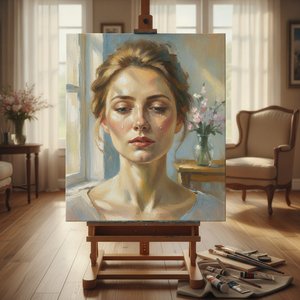
Capturing Light & Emotion: A Guide to Impressionistic Portraiture for Your Home
Discover how Impressionistic portraiture can elevate your home. Learn to use light, color, and texture to create an emotive interior with expert guidance on selecting and customizing museum-quality oil reproductions that transform modern spaces into timeless sanctuaries.
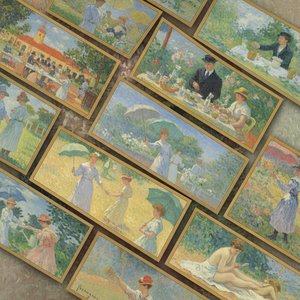
Pierre-Auguste Renoir: Top 25 děl impresionismu pro váš domov | OriginalUniqueArt.cz
Objevte top 25 děl Pierre-Auguste Renoira – impresionistické ikony plné světla a radosti. Prozkoumejte příběhy slavných obrazů, techniky malby a inspirujte se pro váš domov s OriginalUniqueArt.cz! Reprodukce obrazů nejvyšší kvality.
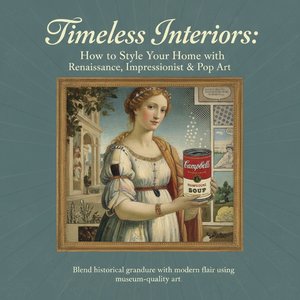
Nadčasová krása interiéru: Renaissance inspirace a impresionistická světla pro vytvoření harmonického domova
Objevte nadčasovou krásu renesančních a impresionistických interiérů s OriginalUniqueArt. Kvalitní reprodukce, odborné konzultace a inspirace pro luxusní bydlení. Vytvořte harmonický domov plný elegance a světla!
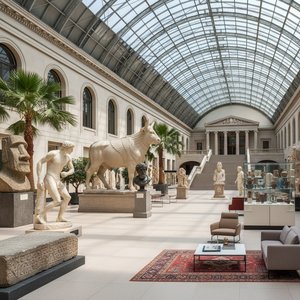
25 Pokladů Britského muzea: Umělecká mistra a příběhy pro váš domov
Prozkoumejte 25 nejúžasnějších uměleckých děl Britského muzea! Objevte příběhy slavných malířů, starověké sochy a historické obrazy. Najděte inspiraci pro váš interiér s reprodukcemi obrazů na OriginalUniqueArt.com

The Enduring Allure of the Nude: A Historical & Artistic Exploration of the Human Form
Explore the captivating history of nude art! Discover iconic paintings & artists from classical to modern eras. Uncover symbolism, techniques & find museum-quality reproductions at OriginalUniqueArt.