Velikost textu

() ·

Obraz vytvořený ručně přímo pro vás

The Burghers of Calais

Ručně malovaná olejová reprodukce

Rukou malované olejné plátno v libovolném rozměru i s rámem, vyrobené našimi umělci na zakázku. ( Přepnout na tisk Přepnout na digitální obraz)

Popis sbírného předmětu

Witness the poignant scene of 'The Burghers of Calais' by Benjamin West – a historical painting capturing sacrifice and courage during the Hundred Years’ War. Explore its rich details & royal collection significance.

Biografie umělce

Benjamin West (1738–1820) – americký malíř, průkopník historických obrazů & prezident Královské akademie. Objevte jeho díla, neoklasicistní styl a trvalé dědictví.

od ·

Kapitola 1

Jak velká by měla být?

Posunout pro změnu velikosti; obrázek vlevo zobrazuje rám v jeho skutečné šířce. Zachovávají se původní proporce.

Standardní velikost
na zakázku
CM
INCH

Vyberte si z našich přednastavených velikostí, které odpovídají původním proporcím díla.

šířka
výška

Zadejte šířku a výšku, které potřebujete pro váš rám nebo stěnu. Protože se jedná o ruční malbu, při výběru jiného formátu může umělec kolem obrazu domalovat o něco více, nebo jej mírně oříznout — rozhodnete si vy. Před zahájením malby vám zašleme digitální náhled ke schválení. Obraz zobrazený na této stránce neodpovídá skutečnému výsledku — pouze digitální náhled jej zobrazuje.

Kapitola 2

Jak má být doručeno?

Vyberte si okraje plátna

Vyberte si rámeček

Corner sample of the WhiteWrap canvas edge finish, stretched on masivní dřevo bars
Bílé okraje Kč1
Corner sample of the BlurSideWrap canvas edge finish, stretched on masivní dřevo bars
Rozostřené okraje Kč1
Corner sample of the ExtendedWrap canvas edge finish, stretched on masivní dřevo bars
Prodloužené okraje Kč1
Corner sample of the P118B picture frame: tvarovaný polystyren, 5 cm wide and 3 cm thick
P118B Kč10
Corner sample of the P118H picture frame: tvarovaný polystyren, 5 cm wide and 3 cm thick
P118H Kč10
Corner sample of the P118W picture frame: tvarovaný polystyren, 5 cm wide and 3 cm thick
P118W Kč10
Corner sample of the P438Z picture frame: tvarovaný polystyren, 5.5 cm wide and 3.5 cm thick
P438Z Kč10
Corner sample of the P508JH picture frame: tvarovaný polystyren, 7 cm wide and 3.5 cm thick
P508JH Kč12
Corner sample of the P508YH picture frame: tvarovaný polystyren, 7 cm wide and 3.5 cm thick
P508YH Kč12
Corner sample of the P805H picture frame: tvarovaný polystyren, 5 cm wide and 3.5 cm thick
P805H Kč10
Corner sample of the P805Z picture frame: tvarovaný polystyren, 5 cm wide and 3.5 cm thick
P805Z Kč10
Corner sample of the P919BZ picture frame: tvarovaný polystyren, 7 cm wide and 3.5 cm thick
P919BZ Kč10
Corner sample of the P919G picture frame: tvarovaný polystyren, 7 cm wide and 3.5 cm thick
P919G Kč10
Corner sample of the P919XJ picture frame: tvarovaný polystyren, 7 cm wide and 3.5 cm thick
P919XJ Kč10
Corner sample of the P959ZH picture frame: tvarovaný polystyren, 5 cm wide and 3 cm thick
P959ZH Kč10
Corner sample of the P968JZ picture frame: tvarovaný polystyren, 6 cm wide and 4 cm thick
P968JZ Kč12
Corner sample of the W106C picture frame: masivní dřevo, 5 cm wide and 3 cm thick
W106C Kč8
Corner sample of the W218G picture frame: masivní dřevo, 5 cm wide and 3 cm thick
W218G Kč10
Corner sample of the W218JH picture frame: masivní dřevo, 5 cm wide and 3 cm thick
W218JH Kč8
Corner sample of the W218Y picture frame: masivní dřevo, 5 cm wide and 3 cm thick
W218Y Kč10
Corner sample of the W307PJ picture frame: masivní dřevo, 6 cm wide and 3 cm thick
W307PJ Kč10
Corner sample of the W316G picture frame: masivní dřevo, 6 cm wide and 3 cm thick
W316G Kč10
Corner sample of the W316PJ picture frame: masivní dřevo, 6 cm wide and 3 cm thick
W316PJ Kč8
Corner sample of the W316Y picture frame: masivní dřevo, 6 cm wide and 3 cm thick
W316Y Kč10
Corner sample of the W398PJ picture frame: masivní dřevo, 5 cm wide and 3 cm thick
W398PJ Kč8
Corner sample of the W4111J picture frame: masivní dřevo, 6.5 cm wide and 3.5 cm thick
W4111J Kč10
Corner sample of the W500HY picture frame: masivní dřevo, 7 cm wide and 5 cm thick
W500HY Kč15
Corner sample of the W500JH picture frame: masivní dřevo, 7 cm wide and 5 cm thick
W500JH Kč15
Corner sample of the W692G picture frame: masivní dřevo, 8 cm wide and 4 cm thick
W692G Kč12
Corner sample of the W849H picture frame: masivní dřevo, 5 cm wide and 3 cm thick
W849H Kč8
Corner sample of the W940BG picture frame: masivní dřevo, 7.5 cm wide and 4.5 cm thick
W940BG Kč15
Corner sample of the W953PJ picture frame: masivní dřevo, 6 cm wide and 3.5 cm thick
W953PJ Kč8
Corner sample of the H24-GOLD picture frame: řezané dřevo s gessu, 10 cm wide and 6 cm thick
H24-GOLD Kč30
Corner sample of the H24-SILVER picture frame: řezané dřevo s gessu, 10 cm wide and 6 cm thick
H24-SILVER Kč30
Corner sample of the H36-GOLD picture frame: řezané dřevo s gessu, 15 cm wide and 6.5 cm thick
H36-GOLD Kč45
Corner sample of the H36-SILVER picture frame: řezané dřevo s gessu, 15 cm wide and 6.5 cm thick
H36-SILVER Kč45

Profil: . Celkové rozměry včetně rámu: .

Kapitola 3

Kdo jej maluje a mělo by se něco změnit?

Příklady možných změn: Nahrazení obličeje fotografií zákazníka; Přidání mazlíčka (např. výměna kočky za psa); Skrytá zpráva v pozadí; Změna krajiny nebo prvků v pozadí.
Po přijetí objednávky vám tým OriginalUniqueArt.com pošle e-mail s instrukcemi a poskytne náhled návrhu

Celosvětová doprava () za 3–4 týdny namísto standardních 5 týdnů. (4 listopad). Bez kompromisů v kvalitě.

Kapitola 4

Poslední úpravy

Štítek jako v muzeu?

Detaily ryté bronzové plakety

This elegant plaque features the artist's name and the title of the artwork, finely engraved for a timeless presentation.

It is made from bronze with a refined, elegant finish. The text is precisely laser-engraved for a sharp and permanent result. Measuring 9x2 cm, the plaque is compact yet easy to read. It's built to be durable and scratch-resistant, offering a professional, museum-quality look. Mounting is simple thanks to the included adhesive backing.

Detaily průhledné akrylové desky

The plaque includes essential engraved details such as the artist's name, the title of the artwork, the date it was created, the type of media used-like oil on canvas or watercolor-a brief description of the piece, and a QR code that links to the complete artwork information.

It is crafted from clear acrylic, offering a sleek, modern appearance. The text is UV-engraved in black to ensure strong visual contrast. With a size of 10x15 cm, it ensures optimal readability. It comes equipped with two metal hooks for secure wall mounting. The plaque is designed to be weather-resistant, making it suitable for various environments, and it includes interactive features that work seamlessly with smartphone scanning.

Detaily černé akrylové destičky

This elegant plaque includes engraved information such as the artist's name, the title of the artwork, the date it was created, the type of media used (like oil on canvas or watercolor), a short description of the artwork, and a QR code for quick access to more information.

The plaque itself is made from refined black acrylic with a premium finish. The text is laser-engraved in white for high contrast and readability. Its size is 10x15 cm, designed to be easy to read. It comes with two metal hooks for professional mounting. The design is sleek and fits any interior style. It is also weather-resistant and durable, with built-in digital integration for mobile compatibility.

Ochranný lak?

Kdy jej potřebujete?

Kapitola 5

Váš obraz přesně podle objednávky

The Burghers of Calais

Technika reprodukce

Rozměry reprodukce

-

Vybraní mistři umění

Vyšší míra detailu, jemnosti a delší doba výroby

-

Možnosti rámování reprodukcí

-

-

U děl nebo reprodukcí, u nichž je jakákoliv strana větší než 105 cm (přibližně 41 palců), bude rám dodán jako sestava v rozloženém stavu. Tato metoda zajišťuje bezpečné doručení a chrání dílo před poškozením během přepravy.

Vyžaduje se odborná montáž – nejedná se o produkt pro svépomocnou realizaci (DIY).
Sestava musí být složena a plátno napnuto zkušeným profesionálním rámovačem s použitím dřevěného lepidla (není součástí balení), kleští na napínání plátna a svorek pro udržení pravých úhlů křížů během schnutí lepidla. Nesprávná montáž nebo nerovnoměrné napnutí plátna může způsobit trvalé poškození uměleckého díla, které není kryto naší zárukou.

  • Jsou zahrnuty všechny lišty z masivního dřeva, přesně na míru nařezané.

  • Sestavuje se pomocí součástí balení (šroubů), plus dřevěného lepidla na rohové spoje, které není součástí balení a musí jej zajistit váš rámovač.

  • Vyžaduje se profesionální nářadí, které není součástí sady: kleště na napínání plátna a svorky pro udržení kolmosti příček během schnutí lepidla.

Důležité:
Spoje v rozích vyžadují lepidlo na dřevo, tyčinky musí být přichyceny pomocí svorek, dokud lepidlo zcela neuschne, a pro napnutí plátna na sestavený rám je zapotřebí kleští na natahování plátna. Žádný z těchto náčiní není součástí sady. Před objednáním této velikosti prosím zajistěte zkušeného profesionálního rámovače.

Popisek díla

-

-

Ochranný lak

Lesklý lak (zvýrazňuje barvy, chrání před světlem a vlhkostí)

-

Přizpůsobit své umělecké dílo

Příklady možných úprav: nahrazení obličeje fotografií zákazníka; přidání domácího mazlíčka (např. výměna kočky za psa); vložení skrytého vzkazu do pozadí; změna krajiny nebo prvků v pozadí.

-

Prioritní doručení

Celosvětové doručení () za 3–4 týdny namísto standardních 5 týdnů. (4 listopad). Bez kompromisů v kvalitě.

-

Expresní doručení

Celosvětová doprava () do 5 týdnů. (11 listopad).

V ceně

Celková cena za vybrané možnosti reprodukcí

Kč 6504

Celková cena Kč 6504

Skleněná varianta je dostupná pouze u rozměrů menších než 110 cm

Součást každé objednávky

  • Zdarma celosvětová expresní doprava
  • Vysoce kvalitní lněné plátno
  • Kompletní pojištění přepravy
  • Záruka vrácení celního poplatku
  • Záruka věrného barevného souladu
  • 100dení lhůta pro vrácení zboží (pouze při vadách výroby)
  • 100% záruka vrácení peněz
  • Sleva při více objednávkách

The Weight of Sacrifice: Benjamin West’s “The Burghers of Calais”

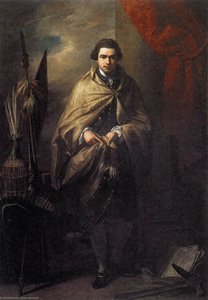
Benjamin West's "The Burghers of Calais" isn’t merely a historical painting; it’s a profound meditation on courage, sacrifice, and the enduring spirit of humanity. Completed in 1789, this monumental canvas—measuring an imposing 100 x 153 cm—captures a pivotal moment during the Hundred Years' War, when the besieged city of Calais offered itself to the English army under Edward III. More than just a depiction of a siege, West masterfully conveys the agonizing choice faced by six prominent citizens who volunteered to walk to Dover and offer themselves as hostages – a decision that ultimately saved their city from utter destruction.

West’s artistic approach is deeply rooted in Neoclassicism, a style characterized by its emphasis on order, clarity, and idealized forms. He meticulously renders the figures in rich, dramatic lighting, drawing inspiration from classical sculpture. The composition itself is carefully structured around a central pyramidal form, anchored by the woman at the heart of the scene – a figure often interpreted as representing Calais herself. Her posture exudes both sorrow and resolute dignity, embodying the city’s collective spirit. The use of oil on canvas allows for an incredible depth of color and texture; West expertly captures the rough wool of their garments, the glint of steel on their armor, and the subtle nuances of human emotion.

A Scene of Desperate Resolve

The historical context surrounding “The Burghers of Calais” is crucial to understanding its emotional power. Calais had endured a grueling 11-month siege, facing starvation and relentless bombardment. The painting doesn’t shy away from the grim reality of the situation; the faces of the burghers are etched with worry, exhaustion, and a palpable sense of dread. Yet, amidst this despair, there's an undeniable strength—a willingness to face death rather than surrender their city to the English. The scene is not one of triumphant heroism, but of quiet, dignified sacrifice. The figures aren’t posed in dynamic action; instead, they are frozen in a moment of agonizing contemplation, each grappling with the weight of their impending fate.

Notably, West deliberately departed from traditional heroic depictions of historical events. He eschewed the glorification often associated with military victories and instead focused on the human cost of conflict. The inclusion of Queen Philippa, Edward III’s wife, who intervened to spare the burghers' lives, adds a layer of poignant humanity to the narrative. Her gesture—a plea for mercy—highlights the moral complexities inherent in war and underscores the importance of compassion even amidst adversity.

Symbolism and Emotional Resonance

Beyond its historical accuracy, “The Burghers of Calais” is rich in symbolism. The keys they carry represent not just the surrender of the city but also a symbolic relinquishing of their lives. The woman at the center, often identified as representing Calais, embodies the spirit of resistance and resilience. Her gaze is fixed on an unseen horizon, suggesting both hope and acceptance of her fate. The muted color palette—dominated by browns, grays, and ochres—contributes to the painting’s somber mood, reinforcing the sense of loss and sacrifice.

West's masterful use of light and shadow further enhances the emotional impact of the scene. The figures are bathed in a dramatic chiaroscuro effect, creating a powerful contrast between darkness and illumination. This technique draws attention to their faces, emphasizing their expressions of sorrow, determination, and courage. The painting invites viewers to contemplate not only the historical events depicted but also the universal themes of sacrifice, duty, and the enduring strength of the human spirit.

A Legacy in Reproduction

Originally housed within the Royal Collection at Windsor Castle, “The Burghers of Calais” has captivated audiences for centuries. Today, high-quality reproductions—available through platforms like OriginalUniqueArt.com—offer art lovers a unique opportunity to experience the painting’s profound beauty and historical significance in their own homes. These meticulously crafted prints capture the essence of West's original masterpiece, allowing you to bring this iconic work of art into your space and contemplate its timeless message of courage and sacrifice.

Otázky a odpovědi

Do které období tvorby Benjamin West patří dílo „The Burghers of Calais“?

Dílo „The Burghers of Calais“ pochází z období Mature Period v tvorbě umělce Benjamin West. Tato klasifikace dílo zasazuje do kontextu vývoje jeho tvůrčí dráhy.

V jaké technice je vytvořeno dílo „The Burghers of Calais“ od Benjamin West?

„The Burghers of Calais“ je dílo vytvořené v technice Sculpture.

O jaký typ uměleckého díla se jedná u „The Burghers of Calais“ od Benjamin West?

Dílo „The Burghers of Calais“ od Benjamin West je klasifikováno jako Sculpture. Tato kategorie určuje typ uměleckého díla, kterým je originál.

Více informací o tomto obrazu

Přepnout na tisk Přepnout na digitální obraz Sdílet
Podrobnosti o díle Průvodce Přidat do oblíbených Stáhnout Podobné položky Slideshow Otázky a odpovědi Statistiky

V číslech

  • 1789rok vytvoření
  • 29k výběru rámečků
  • standardní velikosti, v jejich vlastních proportioních
  • 5týdnů na namalování a doručení
Benjamin West

Benjamin West

1738 - 1820, Spojené státy americké

Rychlé informace o umělci Benjamin West

  • Artistic Movement Or Style: Neoklasicismus, Romantismus
  • Artists Or Movements Influenced By This Artist:
    • Allston
    • Copley
    • Morse
  • Artists Who Influenced This Artist:
    • Tito Vivaldi
    • Rafael
    • Mengs
    • Hamilton
    • Kauffman
  • Date Of Birth: 1738-10-10
  • Date Of Death: 1820-03-11
  • Full Name: Benjamin West
  • Nationality: Američan
  • Notable Artworks:
    • Smrt Sokratova
    • Thetis
    • Tři sestry
    • Strach Astyanaxa
  • Place Of Birth: Springfield, USA

Biografie umělce

A Pioneer Bridging Worlds: The Life and Legacy of Benjamin West

Born in 1738 amidst the burgeoning landscape of colonial Pennsylvania, Benjamin West emerged as a pivotal figure in the transatlantic art world, a painter who skillfully navigated the currents of Neoclassicism and Romanticism while forging a uniquely American artistic identity. His story is one of remarkable self-education, unwavering ambition, and an extraordinary ability to connect with both aristocratic patrons and revolutionary ideals. From humble beginnings—his father an innkeeper in Springfield—West’s innate talent was nurtured by early exposure to the arts, reportedly learning rudimentary techniques from Native Americans before receiving any formal training. This unconventional start instilled within him a spirit of innovation that would characterize his entire career. He quickly established himself as a sought-after portraitist in Philadelphia and New York, but a thirst for deeper artistic knowledge propelled him towards Europe in 1760, embarking on a journey that would irrevocably alter the course of American art.

From Italy to London: Forging a Path to Recognition

West’s arrival in Italy marked a turning point. Immersing himself in the artistic heartland of Europe, he studied the masters—Titian, Raphael—and engaged with contemporary Neoclassical thinkers like Anton Rafael Mengs and Angelica Kauffman. This period was crucial in shaping his aesthetic sensibilities, instilling within him an appreciation for classical form and historical narrative. He spent several years diligently studying anatomy, perspective, and composition, absorbing the techniques of Italian masters while simultaneously developing a distinctive style that blended classical elegance with a burgeoning sense of individualism. However, it was London that ultimately became his adopted home and artistic center. Arriving in 1763, West swiftly ascended the ranks of the British art scene, captivating audiences with his ambitious canvases and securing the patronage of King George III. This royal endorsement not only provided financial stability but also cemented his position as a leading figure within the establishment. A defining moment came with his election to the Royal Academy in 1769, an institution he would later preside over as President from 1792 until his death. His influence extended beyond his own artistic production; West became a champion for American artists seeking training abroad, offering guidance and support to generations of aspiring painters like Allston, Copley, and Morse.

Revolutionizing Historical Painting: Technique and Controversy

West’s impact on the art world wasn't merely about achieving technical mastery; it was about challenging conventions. He dared to reimagine historical painting, moving away from rigid adherence to classical precedent and embracing a more contemporary sensibility. The Death of General Wolfe (1770), arguably his most famous work, exemplifies this revolutionary approach. By depicting the fallen general surrounded by figures in *contemporary* military attire rather than traditional Roman garb, West sparked considerable debate. Critics questioned the historical accuracy, but audiences were captivated by the immediacy and emotional resonance of the scene. This bold move signaled a shift towards greater realism and narrative power in history painting, influencing countless artists who followed. His style evolved over time, incorporating elements of Romanticism into his later works, yet always retaining a commitment to ambitious composition and detailed execution. Other notable pieces like Thetis Bringing the Armor to Achilles, The Three Sisters, The Fright of Astyanax, and The Cave of Despair demonstrate his versatility and mastery across a range of mythological and historical themes. He was known for his meticulous preparatory sketches and his ability to capture dramatic lighting and emotional intensity in his paintings.

A Lasting Legacy: Shaping Artistic Identity

Benjamin West’s legacy extends far beyond the canvases he created. He fundamentally altered the landscape of American art, establishing history painting as a viable genre for American artists and fostering a sense of national artistic identity. His presidency of the Royal Academy solidified his influence on British art, promoting innovation and supporting emerging talent.
  • He championed a more accessible and emotionally engaging style of historical representation.
  • His studio became a haven for American artists seeking training in Europe.
  • He bridged the gap between Neoclassical ideals and the burgeoning Romantic movement.
West’s innovative spirit, coupled with his diplomatic skills and unwavering dedication to his craft, earned him lasting recognition as “the American Raphael.” He died in London in 1820, leaving behind a body of work that continues to inspire awe and admiration. His story serves as a testament to the power of artistic vision, the importance of cultural exchange, and the enduring legacy of an artist who dared to challenge conventions and forge his own path.

Rychlé informace

  • Influences:
    • West
    • History
  • Notable elements: Historical scene
  • Dimensions: 100 x 153 cm
  • Title: The Burghers of Calais
  • Medium: Oil on canvas

Artový kvíz

U každé otázky je pouze jedna správná odpověď.

Otázka 1:
What historical event is depicted in Benjamin West’s ‘The Burghers of Calais’?
Otázka 2:
In what year was ‘The Burghers of Calais’ painted?
Otázka 3:
Which artistic style is most closely associated with Benjamin West’s work?
Otázka 4:
What is the primary emotional tone conveyed by the figures in ‘The Burghers of Calais’?
Otázka 5:
Where is ‘The Burghers of Calais’ currently located?