
 Náhled v interiéru
 Sdílet
 Sdílet
 Podrobnosti o díle
 Průvodce

 Stáhnout
 Podobné položky
 Rentgenové snímky
 Slideshow
 Otázky a odpovědi
 Statistiky
St Jerome

- 51.0 x 58.0 cm


 Zobrazit více
Giclée / Umělecký tisk
Giclée nebo plátěný tisk muzeální kvality s rychlou výrobou a širokou nabídkou povrchových úprav. ( Koupit ručně malovaný obraz Přepnout na digitální obraz)




P118B Kč10

P118H Kč10

P118W Kč10

P438Z Kč10

P508JH Kč12

P508YH Kč12

P805H Kč10

P805Z Kč10

P919BZ Kč10

P919G Kč10

P919XJ Kč10

P959ZH Kč10

P968JZ Kč12

W106C Kč8

W218G Kč10

W218JH Kč8

W218Y Kč10

W307PJ Kč10

W316G Kč10

W316PJ Kč8

W316Y Kč10

W398PJ Kč8

W4111J Kč10

W500HY Kč15

W500JH Kč15

W692G Kč12

W849H Kč8

W940BG Kč15

W953PJ Kč8




Vyberte si z našich přednastavených velikostí, které odpovídají původním proporcím díla.

Zadejte šířku a výšku, které potřebujete pro váš rám nebo stěnu. Tisk lze pouze oříznout, nikdy však nelze zvětšit obraz nad jeho původní rozměr, proto při výběru jiného formátu dochází ke ztrátě části obrazu. Před samotným tiskem vám zašleme digitální náhled k schválení. Obraz zobrazený na této stránce nenabízí skutečný výřez — ten uvidíte pouze v náhledu.
Celosvětové doručení () do 2 týdnů namísto standardních 4/5 týdnů. (11 listopad)

Zdarma celosvětová expresní doprava

Vysoce kvalitní lněné plátno

Kompletní pojištění přepravy

Záruka vrácení celního poplatku

Záruka věrného barevného souladu

100dení lhůta pro vrácení zboží (pouze při vadách výroby)

100% záruka vrácení peněz

Sleva při více objednávkách
 Skleněná varianta je dostupná pouze u rozměrů menších než 110 cm

St Jerome
Giclée / Umělecký tisk
Rozměry reprodukce
-


Celková cena za vybrané možnosti reprodukcí
Kč 1763
A Moment of Profound Contemplation: St Jerome
To gaze upon this depiction of St. Jerome is to be invited into a quiet corner of profound intellectual struggle and spiritual reckoning. The scene unfolds outdoors, bathed in the soft, contemplative light characteristic of the Italian Renaissance. At the heart of the composition sits the venerable scholar, St. Jerome, whose posture—head bowed into his hands—speaks volumes without uttering a single word. He is ensconced upon a large, prominent rock, suggesting both permanence and isolation, perfectly framing him against the vast, majestic sweep of the mountainous landscape that serves as his backdrop. This is not merely a portrait; it is an immersion into the very act of deep thought.
The Hand of Bartolomeo Montagna: Renaissance Mastery
This work bears the unmistakable hallmark of Bartolomeo Montagna, a true visionary from the Vicenza School. Montagna’s genius lay in his ability to imbue seemingly simple scenes with an unparalleled sense of sculptural form and serene composition. Influenced by the grand traditions of Venetian art, yet possessing a distinct sensitivity, he guides the viewer's eye through the carefully orchestrated elements. Notice the scholarly book resting near him; it is more than just an object—it is the tangible weight of accumulated knowledge confronting the mysteries of faith. The inclusion of background figures and the delicate placement of two birds—one high in the corner, another grounded nearby—adds layers of narrative depth, suggesting that even in solitude, one is connected to a larger, living world.
Symbolism and Spiritual Resonance
The symbolism woven into this painting is rich for the discerning collector. St. Jerome himself embodies the confluence of scholarship and piety; he was a man who wrestled with scripture amidst wild nature. The rugged mountains behind him can symbolize the sublime power of God or the challenging terrain of human understanding, while the quietude of his pose suggests that true wisdom is often found not in grand pronouncements, but in moments of hushed introspection. For those seeking to bring an atmosphere of thoughtful dignity into a home or study, this piece offers immediate resonance—a visual anchor for contemplation.
Technique and Enduring Appeal
Painted around the year 1500, this work exemplifies the peak of early sixteenth-century Italian painting. Montagna’s technique allows the viewer to appreciate both the meticulous detail in the foreground elements and the atmospheric depth achieved in the distant landscape. The interplay between the solid, grounded rock and the airy suggestion of the background mountains creates a masterful illusion of space. Owning a reproduction of this piece is acquiring not just an image, but a carefully preserved echo of Renaissance artistry—a sophisticated conversation starter that speaks to a deep appreciation for history, humanism, and enduring beauty.
Otázky a odpovědi
Jaký tvar a rozměry má dílo „St Jerome“ od Bartolomeo Montagna?
„St Jerome“ od Bartolomeo Montagna je kompozice ve formátu Landscape o původních rozměrech 51 x 58 cm.
Působí barvy díla "St Jerome" výrazně, nebo jemně?
„St Jerome“ od Bartolomeo Montagna má Balanced barevnou intenzitu.
Nachází se dílo "St Jerome" v zemi svého autora?
Ano – dílo se nachází v zemi původu umělce. Rodimá země Bartolomeo Montagna je Itálie, zatímco muzeum, které uchovává originál díla „St Jerome“, se nachází v zemi Itálie.
Biografie umělce
Vize Vicenza: Život a odkaz Bartolomea Montagnu
V srdci italské renesance, uprostřed krajin Vicenza bohatých na mramor a mezi třpytivými kanály Benátek, se zrodil malíř, jehož štětec disponoval vzácnou schopností spojit sochařskou pevnost s éterickou elegancí. Bartolomeo Montagna představuje jeden z pilířů vicenzské školy, umělce, jehož kariéra překlenula propast mezi pečlivou precizností raného Quattrocenta a zářivou atmosférickou hloubkou vrcholné renesance. Narodil se kolem roku 1450 a jeho život byl hluboce protkaný humanistickou evolucí své éry – období, kdy znovuobjevení klasické antiky vdechlo nový život náboženské ikonografii.
Montagnova umělecká identita byla utvářena sofistikovanou směsí regionálních vlivů a přímého kontaktu s mistry Benátské republiky. Jeho raný výcvik v Breccii pod vedením Giovanniego Battisty Brustola mu poskytl základy precizního detailu, avšak právě jeho následná cesta do Benátek skutečně rozblaskovala jeho genialitu. Ponořením se do živých dílen Serenissima vstřebal hluboké lekce od Giovanni Belliniho a sochařskou intenzitu Andrea Mantegny. Tato zkušenost mu umožnila vyvinout si charakteristický styl, který se vyznačuje střídmou paletou, architektonickým smyslem pro prostor a mistrovským ovládáním světla a stínu, díky němuž získaly jeho postavy hmatatelnou, trojrozměrnou přítomnost.
Mistrovství formy a zbožnosti
Montagnovo dílo je svědectvím o jeho schopnosti proměnit sakrální témata v okamžiky hluboké, tiché kontemplace. Jeho práce málokdy vykazují neklidný pohyb; místo toho nabízejí klidnou nehybnost, která vyzývá diváka ke stavu modlitebního zamyšlení. To je snad nejvýraznější v jeho zobrazeních Madonny s Dětátem, kde postavy vyzařují aristokratickou důstojnost spojenou s něžnou lidskou zranitelností. V dílech jako Panna Marie s Dětátem a svatým lze pozorovat, jak využívá sochařské tvary a jemné naturalistické prvky – například křehkou přítomnost ptáků – k tomu, aby ukotvil božská témata v hmatatelné, pozemské realitě.
Kromě svých Madonn vynikal Montagna i při ztvárnění osamělé síly svatých a učenců. Jeho Svatý Jeroným slouží jako dechberoucí příklad jeho schopnosti zachytit tíhu intelektuální a duchovní práce prostřednictvím precizní textury a světla. Podobně i jeho Svatá Justina z Padvy představuje brilantní syntézu devocecké symboliky a rafinované krásy typické pro benátské umění konce patnáctého století. Skrze tato díla Montagna dokázal, že náboženské malířství může být intelektuálně komplexní i vizuálně uchvátıcı, přičemž využíval architektonický iluzionismus k vytvoření oken do vznešenější, božské sféry.
Historický význam a umělecký triumf
Trvalý význam Bartolomea Montagnu spočívá v jeho roli životně důležitého spojovacího článku v evoluci severoitalského malířství. Přestože byl často stíněn velkolepými osobnostmi Benátek, jeho přínos k rozvoji vicenzské školy poskytl nezbytný stylistický protiklad k více flamboyantním benátským trendům. Jeho schopnost integrovat strukturální rigorismus Mantegny se měkkým, atmosférickým světlem Belliniho vytvořila jedinečný estetický jazyk, který rezonoval po celé oblasti.
Jeho nejvýznamnější úspěchy jsou rozprostřeny v nejprestižnějších náboženských institucích své doby, od monumentálních freskových cyklů v Certosa di Pavia až po významné oltářní obrazy v Museo Civico di Vicenza. I dnes Montagnovo dílo nadále fascinuje historiky umění i nadšence, nabízí pohled do éry bezprecedentní kreativity. Jeho odkaz zůstává vryt do samotné tkáně renesance – odkaz mramorové přesnosti, duchovní hloubky a neochvějného věnování se kráse lidské formy.

Bartolomeo Montagna
1450 - 1523 , Itálie
Rychlé informace o umělci
- Artistic Movement Or Style: Renesance
- Artists Or Movements Influenced By This Artist: ['Mantegna']
- Artists Who Influenced This Artist: ['Giovanni Bellini']
- Date Of Birth: Vicenza, Itálie (1450)
- Full Name: Bartolomeo Montagna
- Nationality: Italská
- Notable Artworks:
- Svatá Justina Padánská
- Madona s dítětem
- Place Of Birth: Vicenza
Související články

Jacopo Tintoretto: 25 mistrovských děl benátského mistra | OriginalUniqueArt.com
Prozkoumejte 25 ikonických děl Jacopa Tintoretta, benátského mistra dramatické renesance. Objevte příběhy za obrazy plnými emocí a světla. Reprodukce obrazů nejvyšší kvality na OriginalUniqueArt.com – inspirace pro váš interiér.

The Enduring Legacy of Fine Art Prints: Technique, History & Aesthetic Impact
Explore the rich history & techniques of fine art prints. Discover investment potential, assess authenticity, and learn how to preserve your collection with expert guidance. Trusted insights for discerning collectors.
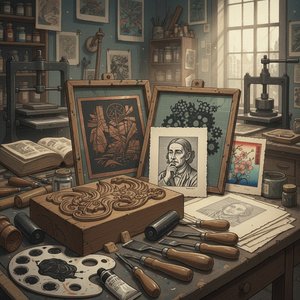
The Enduring Legacy of Printmaking: Techniques, Themes & Artistic Innovation Across Centuries
Explore the rich history of printmaking with OriginalUniqueArt. Discover techniques from intaglio to lithography, learn about collecting valuable prints & find museum-quality reproductions. Expert insights for art enthusiasts and collectors.

Giclée Prints: Archival Quality & Aesthetic Nuances for the Discerning Collector
Explore the world of giclée prints with OriginalUniqueArt. Learn about archival quality, aesthetic nuances & investment potential. Expert guidance for discerning art collectors seeking museum-quality reproductions and lasting value.

Echoes of Time: Exploring the Enduring Appeal & Historical Context of Vintage Art Prints
Explore the captivating world of vintage art prints! Discover their history, collecting tips & enduring appeal. Expert insights on chromolithography and building a legacy collection with OriginalUniqueArt.