

 Odeslat
 Sdílet
 Podrobnosti
 Průvodce

 Stáhnout obrázek
 Podobné kousky
 Slideshow
 Statistiky
Totem


 Přečíst si více
Umělecké dílo zobrazené na této stránce je chráněno autorským zákonem, což znamená, že nemůžeme legálně vytvářet ani prodávat jeho identickou reprodukci. Tato ochrana je vymáhána na základě mezinárodních dohod, jako například Berberská úmluva a národními zákony, včetně těch stanovených v Americký autorský zákon – Díl 17. Všechna práva vyhrazena.
Tato metoda je plně v souladu s autorským právem, protože nezahrnuje kopírování ani duplikování chráněného díla. Jde o kreativní reinterpretaci – nový obraz, který je inspirován originálem, ale není s ním identický.
Giclée / Umělecký tisk
Giclée nebo plátěný tisk muzeální kvality s rychlou výrobou a širokou nabídkou povrchových úprav. ( Objednat ručně malovanou reprodukci Přepnout na digitální verzi obrazu)




































Vyberte si z našich přednastavených velikostí, které odpovídají původním proporcím díla.

Zadejte šířku a výšku, které potřebujete pro váš rám nebo stěnu. Tisk lze pouze oříznout, nikdy však nelze zvětšit obraz nad jeho původní rozměr, proto při výběru jiného formátu dochází ke ztrátě části obrazu. Před samotným tiskem vám zašleme digitální náhled k schválení. Obraz zobrazený na této stránce nenabízí skutečný výřez — ten uvidíte pouze v náhledu.
Celosvětové doručení () do 2 týdnů namísto standardních 4/5 týdnů. (21 říjen)

Zdarma celosvětová expresní doprava

Vysoce kvalitní lněné plátno

Úplné pojištění přepravy

Záruka vrácení celního poplatku

Záruka věrného barevného shodu

100dení lhůta pro vrácení zboží (pouze při vadách výroby)

100% garance vrácení peněz

Sleva při více objednávkách
 Skleněná varianta je dostupná pouze u rozměrů menších než 110 cm

Totem
Giclée / Umělecký tisk
Velikost reprodukce
-


Celková cena
Kč 1700
Barbara Hepworth’s Totem: A Meditation on Form and Silence
Barbara Hepworth (1903–1975) stands as one of the most influential figures in British modernist sculpture, a pioneer who bravely navigated the shifting sands of artistic expression during the tumultuous years following World War I. Her work transcends mere representation; it delves into fundamental questions about materiality, space, and the human condition—themes powerfully embodied in “Totem,” created between 1960 and 1962.
The sculpture itself is a striking example of Hepworth’s signature style: abstract biomorphism. Crafted from alabaster – a translucent white stone prized for its purity and luminosity – Totem eschews recognizable forms, opting instead for undulating curves that mimic the contours of natural elements like seashells or stones. These shapes aren't simply decorative; they are meticulously designed to interact with light and shadow, creating an illusion of depth and movement within the seemingly static form.
- Material: Alabaster (White Marble Substitute)
- Dimensions: Approximately 147.3 cm Height
- Date Created: 1960–1962
Technique and Process
Hepworth’s approach to sculpture was deeply rooted in subtractive carving—a painstaking process of removing material from a larger block of alabaster. This technique demanded immense patience and precision, allowing Hepworth to coax out the desired form with subtle manipulations of chisel and mallet. The resulting surface is remarkably smooth and polished, reflecting light in diffused patterns that underscore the sculpture’s inherent materiality.
Furthermore, Hepworth's studio was equipped with a sophisticated lighting system designed to minimize glare and maximize tonal variation—a deliberate effort to capture the essence of the stone itself. This meticulous attention to detail speaks volumes about her commitment to conveying not just visual form but also the tactile qualities of the material.
Symbolic Resonance and Emotional Impact
"Totem" isn't merely an aesthetically pleasing object; it’s imbued with symbolic significance. The sculpture’s flowing curves evoke a sense of serenity and balance, mirroring Hepworth’s belief in the power of art to communicate profound ideas about existence. The circular openings piercing the alabaster body can be interpreted as portals—windows into another realm—suggesting an openness to contemplation and a connection to something beyond the visible world.
Ultimately, Hepworth sought to create works that resonated emotionally with viewers, inviting them to engage in a dialogue with form and space. “Totem” achieves this ambition beautifully, prompting reflection on themes of continuity, transformation, and the enduring beauty of natural forms—a testament to Hepworth’s visionary artistic legacy.
Historical Context
Hepworth's work emerged during the height of British Modernism, a movement characterized by experimentation with new materials and techniques and a rejection of traditional representational conventions. Influenced by Surrealist ideas and championed by artists like Ben Nicholson and Paul Nash, Hepworth’s pursuit of abstraction reflected a broader cultural shift toward prioritizing intuition and emotion over rational thought.
Her contribution to the Unit One Art Movement solidified her position as a leading voice in British art, demonstrating that artistic innovation could flourish alongside intellectual rigor. “Totem” stands as an enduring symbol of this era’s commitment to exploring the expressive potential of form and materiality—a masterpiece that continues to inspire artists and collectors alike.
Otázky a odpovědi
Kdo je autorem díla "Totem" a do kterého směru patří?
Za dílem "Totem" stojí Barbara Hepworthová a směr Modernism.
V jaké orientaci je dílo „Totem“ od Barbara Hepworthová?
Dílo „Totem“ od Barbara Hepworthová má formát Portrait. Formát určuje poměry kompozice.
Jak se v díle „Totem“ od Barbara Hepworthová setkávají umělecký směr a doba?
Dílo „Totem“ od Barbara Hepworthová spadá do směru Modernism, v rámci Modernismus éry svého autora.
Biografie umělce
Barbara Hepworth: Pioneer of Organic Abstraction
Barbara Hepworth (1903–1975) stands as one of the most influential figures in British modern sculpture, a sculptor whose groundbreaking approach fundamentally reshaped artistic expression during the interwar years and beyond. Born Jocelyn Barbara Hepworth in Wakefield, Yorkshire, her formative years were marked by an early fascination with natural forms—particularly the rugged landscapes of her native Yorkshire—which would become central to her artistic vision. Her father, Herbert Hepworth, was a civil engineer for the West Riding County Council, fostering a practical sensibility alongside an appreciation for geometric precision.- Early Education & Influences: Hepworth’s education at Wakefield Girls' High School instilled in her a belief in the importance of intellectual curiosity and artistic exploration. Notably, she befriended Henry Moore during her studies at Leeds School of Art, forging a collaborative relationship that would endure throughout their careers. This connection to Moore—a fellow devotee of exploring natural forms through abstraction—proved pivotal in shaping Hepworth’s aesthetic sensibilities.
- Royal College of Art & Formal Experimentation: Hepworth's enrollment at the Royal College of Art in 1921 represented a decisive step toward establishing herself as an artist. There, she honed her sculptural skills and embraced the burgeoning modernist movement, experimenting with techniques like direct carving—a method championed by Skeaping—that prioritized working directly with raw materials to achieve organic forms.
Marriage & Artistic Partnership with Ben Nicholson
Her marriage to sculptor John Skeaping in 1925 solidified her artistic life, providing a supportive environment for collaborative endeavors and fostering a shared commitment to exploring the expressive potential of abstraction. The couple moved into Hampstead’s Mall studio in 1926, where Hepworth and Nicholson cultivated an intense creative dialogue that would define their artistic output for decades. Their relationship was marked by both intellectual stimulation and personal challenges, culminating in divorce in 1933. However, Hepworth continued her partnership with Nicholson until 1951, producing some of her most celebrated works during this period—including the monumental *Pierced Hemisphere I* and *Two Forms*, which embody the core principles of their artistic vision.The St Ives Period & Monumental Sculpture
Following World War II, Hepworth relocated to St Ives, Cornwall, where she established herself as a leading figure in the burgeoning St Ives School of Artists—a collective dedicated to capturing the essence of Cornish landscape and exploring the interplay between form and space. This period witnessed Hepworth’s artistic evolution toward larger-scale sculptures that responded directly to the environment, reflecting her profound connection with nature. Her masterpiece, *Winged Figure*, commissioned by John Lewis for Oxford Street, London, stands as a testament to her ambition and technical prowess—a towering aluminum sculpture that embodies the spirit of modernist abstraction while simultaneously honoring the beauty of the Cornish coastline.Legacy & Recognition
Barbara Hepworth’s contribution to modern art is undeniable. Her pioneering exploration of organic abstraction challenged conventional artistic norms, establishing a new aesthetic language characterized by sensual materiality and geometric precision. She received numerous accolades throughout her life—including Commander of the Order of the British Empire (CBE) in 1958—and was honored as Dame in 1965 for her enduring influence on art history. Today, Hepworth’s sculptures reside in prominent museums worldwide—most notably The Hepworth Wakefield—where they continue to inspire viewers and scholars alike, cementing her place as one of Britain's most revered artists."
Barbara Hepworthová
1903 - 1975 , Spojené království
Rychlé informace
- Artistic Movement Or Style: Modernisme
- Artists Or Movements Influenced By This Artist: ['Abstraction Création']
- Artists Who Influenced This Artist: ['Henry Moore']
- Date Of Birth: 10 janvier 1903
- Full Name: Jocelyn Barbara Hepworth
- Nationality: Britannique
- Notable Artworks:
- Oval Form
- Deux formes
- Place Of Birth: Wakefield, Angleterre
Související články
Timeless Grandeur: Exploring the Eternal Beauty and Art-Historical Legacy of Marble Sculpture
Explore the profound legacy of marble sculpture, from Classical antiquity to Neoclassical mastery. A definitive guide for elite collectors and designers seeking to integrate the luminous, eternal beauty of stone into sophisticated, high-end architectural spaces.

The Enduring Allure of Marble in Art History: From Classical Sculpture to Modern Abstraction
Explore the captivating history of marble sculpture from ancient Greece to modern art. Discover renowned artists like Canova & Michelangelo, carving techniques, and investment insights at OriginalUniqueArt.
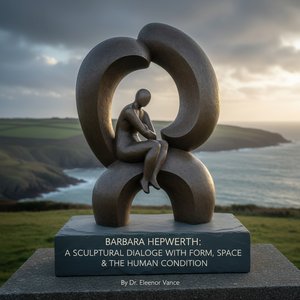
Barbara Hepworth: A Sculptural Dialogue with Form, Space & the Human Condition
Explore the profound world of Barbara Hepworth's sculpture. Discover her artistic evolution, iconic forms, and lasting influence on modern art. A guide for collectors & enthusiasts.

Top 10 slavných obrazů vládnutých bílou barvou – Umění a inspirace pro interiér
Objevte top 10 slavných obrazů, kde bílá barva hraje klíčovou roli. Claude Monet, Van Gogh a další mistři! Inspirace pro váš interiér a reprodukce umění nejvyšší kvality na OriginalUniqueArt.com.

10 legendárních bronzových soch, které změnily umění | OriginalUniqueArt
Objevte 10 legendárních bronzových soch od Michelangela, Rodina a dalších mistrů! Ponořte se do historie umění, technik a příběhů za těmito nadčasovými díly. Najděte inspiraci pro váš interiér s OriginalUniqueArt.com – repliky nejvyšší kvality.


