
 Náhled v interiéru
 Sdílet
 Sdílet
 Podrobnosti o díle
 Průvodce

 Stáhnout
 Podobné položky
 Rentgenové snímky
 Slideshow
 Statistiky
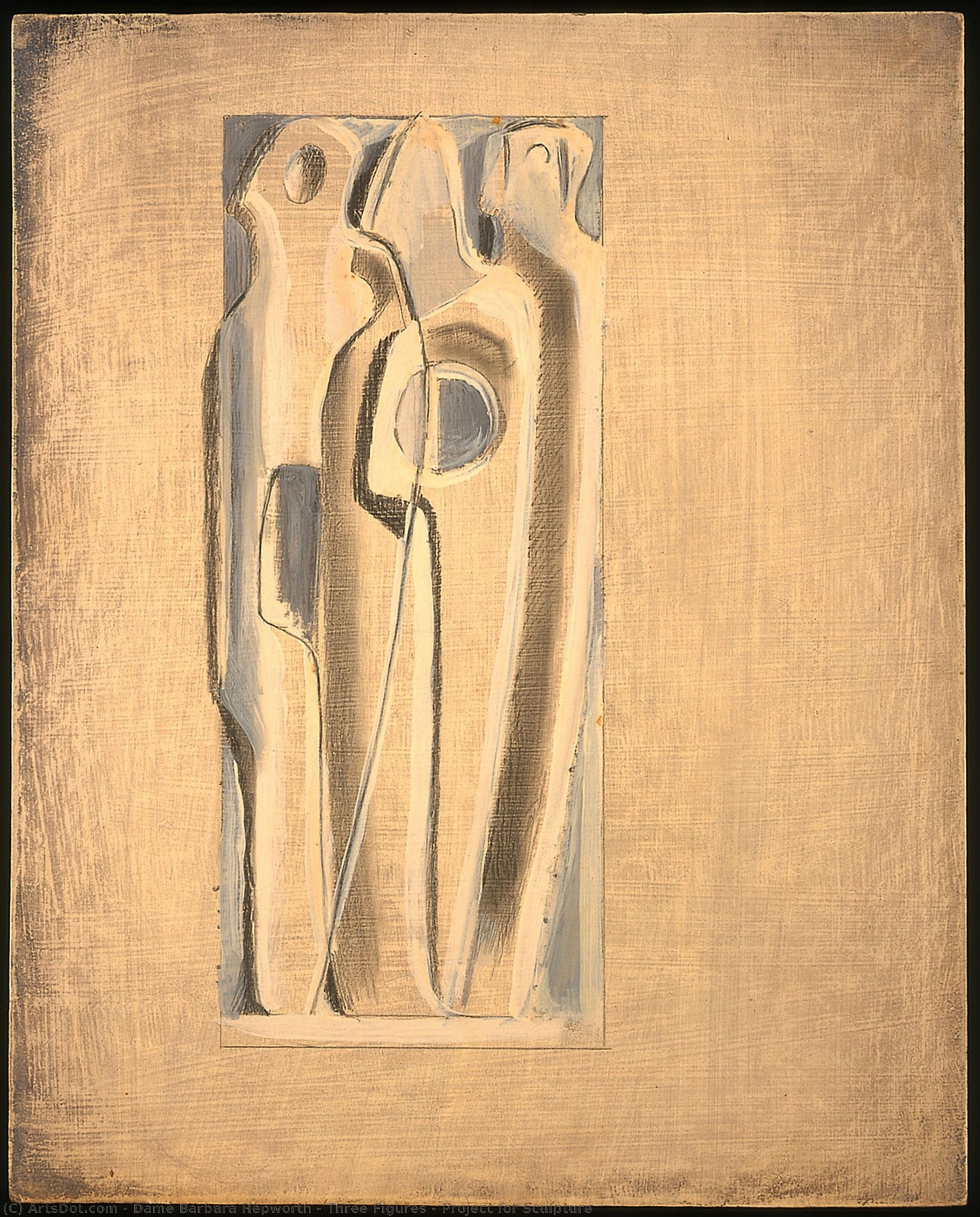
Three Figures – Project for Sculpture


 Zobrazit více
Umělecké dílo zobrazené na této stránce je chráněno autorským zákonem, což znamená, že nemůžeme legálně vytvářet ani prodávat jeho identickou reprodukci. Tato ochrana je vymáhána na základě mezinárodních dohod, jako například Berberská úmluva a národními zákony, včetně těch stanovených v Americký autorský zákon – Díl 17. Všechna práva vyhrazena.
Jako etická a právní alternativa nabízíme vlastní, ručně malovaná umělecká díla inspirovaná originálem. Naši zdatní a profesionální umělci si pečlivě studují styl, náladu a uměleckou podstatu originálu, aby vytvořili nové, jedinečné dílo, které vyvolává stejný pocit – přičemž zůstává samostatným originálním tvůrčím dílem.
Tato metoda je plně v souladu s autorským právem, protože nezahrnuje kopírování ani duplikování chráněného díla. Jde o kreativní reinterpretaci – nový obraz, který je inspirován originálem, ale není s ním identický.
Ručně malovaná olejová reprodukce
Rukou malované olejné plátno v libovolném rozměru i s rámem, vyrobené našimi umělci na zakázku. ( Přepnout na tisk Přepnout na digitální obraz)




P118B Kč10

P118H Kč10

P118W Kč10

P438Z Kč10

P508JH Kč12

P508YH Kč12

P805H Kč10

P805Z Kč10

P919BZ Kč10

P919G Kč10

P919XJ Kč10

P959ZH Kč10

P968JZ Kč12

W106C Kč8

W218G Kč10

W218JH Kč8

W218Y Kč10

W307PJ Kč10

W316G Kč10

W316PJ Kč8

W316Y Kč10

W398PJ Kč8

W4111J Kč10

W500HY Kč15

W500JH Kč15

W692G Kč12

W849H Kč8

W940BG Kč15

W953PJ Kč8




Vyberte si z našich přednastavených velikostí, které odpovídají původním proporcím díla.

Zadejte šířku a výšku, které potřebujete pro váš rám nebo stěnu. Protože se jedná o ruční malbu, při výběru jiného formátu může umělec kolem obrazu domalovat o něco více, nebo jej mírně oříznout — rozhodnete si vy. Před zahájením malby vám zašleme digitální náhled ke schválení. Obraz zobrazený na této stránce neodpovídá skutečnému výsledku — pouze digitální náhled jej zobrazuje.
Po přijetí objednávky vám tým OriginalUniqueArt.com zašle e-mail s pokyny a poskytne náhledovou verzi.
Celosvětová doprava () za 3–4 týdny namísto standardních 5 týdnů. (26 říjen). Bez kompromisů v kvalitě.

Zdarma celosvětová expresní doprava

Vysoce kvalitní lněné plátno

Kompletní pojištění přepravy

Záruka vrácení celního poplatku

Záruka věrného barevného souladu

100dení lhůta pro vrácení zboží (pouze při vadách výroby)

100% záruka vrácení peněz

Sleva při více objednávkách
 Skleněná varianta je dostupná pouze u rozměrů menších než 110 cm

Three Figures – Project for Sculpture
Technika reprodukce
Rozměry reprodukce
-


Celková cena za vybrané možnosti reprodukcí
Kč 7492
Barbara Hepworth’s ‘Three Figures – Project for Sculpture’: A Meditation on Form and Connection
“Three Figures – Project for Sculpture,” created in 1951 by the influential British sculptor Barbara Hepworth, offers a compelling glimpse into her exploration of form and space during a pivotal moment in modern art. This work, rendered in a luminous golden hue, transcends mere representation to become a deeply evocative study of human presence—a testament to Hepworth’s mastery of abstraction and her profound engagement with the fundamental principles of sculpture. The painting's strength lies not in literal depiction but in its ability to conjure a sense of quiet contemplation, inviting viewers to consider the relationships between individuals and their shared experience.
A Modernist Vision: Style and Technique
Hepworth’s approach aligns squarely with the modernist movement, particularly its emphasis on reducing forms to their essential geometric elements. The composition is dominated by rectangular and triangular shapes, meticulously constructed to create a sense of depth through overlapping planes and subtle tonal variations. Visible brushstrokes, layered and glazed with oil paint, contribute significantly to the artwork's tactile quality – an invitation to almost reach out and touch the implied solidity of the figures. The directional lighting further enhances this three-dimensionality, casting carefully considered shadows that sculpt the forms themselves. This technique, rooted in Hepworth’s training at the Royal College of Art, demonstrates a sophisticated understanding of both representational space and abstract form.
Historical Context and Influences
Created in 1951, “Three Figures” reflects a period of significant artistic innovation. Hepworth was a key figure within the Unit One movement, alongside Ben Nicholson and Paul Nash, which sought to bridge the gap between Surrealism and Abstraction – a bold experiment that challenged traditional notions of representation. Her earlier work, heavily influenced by her time in Paris and engagement with abstraction-création, paved the way for this exploration of simplified forms and spatial relationships. The painting’s restrained style echoes the growing interest in geometric abstraction prevalent throughout Europe at the time, while retaining a distinctly humanistic focus.
Symbolism and Emotional Resonance
While overtly symbolic elements are absent, “Three Figures” possesses a powerful emotional resonance. The solemn postures of the figures suggest introspection and perhaps a shared experience – a quiet connection forged through form and space. Hepworth’s work often explored themes of human vulnerability and resilience, and this piece is no exception. It invites viewers to contemplate their own place within the larger world, prompting a sense of empathy and understanding. The painting's enduring appeal lies in its ability to tap into these universal emotions, making it a timeless meditation on the nature of human connection.
Otázky a odpovědi
O čem "Three Figures – Project for Sculpture" je a jakou atmosféru vyzařuje?
„Three Figures – Project for Sculpture“ od Barbara Hepworthová zachycuje abstract figures, contemplative art, geometric forms, profile composition, warm color palette, modern sculpture, stylized human form v Calm náladě. Předmět a atmosféra dohromady definují toto dílo.
Působí barvy díla "Three Figures – Project for Sculpture" výrazně, nebo jemně?
Barvy v díle „Three Figures – Project for Sculpture“ od Barbara Hepworthová mají Vivid intenzitu.
Mohu si prohlédnout "Three Figures – Project for Sculpture" v celoplátno formátu slideshow?
Dílo „Three Figures – Project for Sculpture“ od Barbara Hepworthová si můžete prohlédnout v podobě diaporamy na stránce Slideshow.
Biografie umělce
Barbara Hepworth: Pioneer of Organic Abstraction
Barbara Hepworth (1903–1975) stands as one of the most influential figures in British modern sculpture, a sculptor whose groundbreaking approach fundamentally reshaped artistic expression during the interwar years and beyond. Born Jocelyn Barbara Hepworth in Wakefield, Yorkshire, her formative years were marked by an early fascination with natural forms—particularly the rugged landscapes of her native Yorkshire—which would become central to her artistic vision. Her father, Herbert Hepworth, was a civil engineer for the West Riding County Council, fostering a practical sensibility alongside an appreciation for geometric precision.- Early Education & Influences: Hepworth’s education at Wakefield Girls' High School instilled in her a belief in the importance of intellectual curiosity and artistic exploration. Notably, she befriended Henry Moore during her studies at Leeds School of Art, forging a collaborative relationship that would endure throughout their careers. This connection to Moore—a fellow devotee of exploring natural forms through abstraction—proved pivotal in shaping Hepworth’s aesthetic sensibilities.
- Royal College of Art & Formal Experimentation: Hepworth's enrollment at the Royal College of Art in 1921 represented a decisive step toward establishing herself as an artist. There, she honed her sculptural skills and embraced the burgeoning modernist movement, experimenting with techniques like direct carving—a method championed by Skeaping—that prioritized working directly with raw materials to achieve organic forms.
Marriage & Artistic Partnership with Ben Nicholson
Her marriage to sculptor John Skeaping in 1925 solidified her artistic life, providing a supportive environment for collaborative endeavors and fostering a shared commitment to exploring the expressive potential of abstraction. The couple moved into Hampstead’s Mall studio in 1926, where Hepworth and Nicholson cultivated an intense creative dialogue that would define their artistic output for decades. Their relationship was marked by both intellectual stimulation and personal challenges, culminating in divorce in 1933. However, Hepworth continued her partnership with Nicholson until 1951, producing some of her most celebrated works during this period—including the monumental *Pierced Hemisphere I* and *Two Forms*, which embody the core principles of their artistic vision.The St Ives Period & Monumental Sculpture
Following World War II, Hepworth relocated to St Ives, Cornwall, where she established herself as a leading figure in the burgeoning St Ives School of Artists—a collective dedicated to capturing the essence of Cornish landscape and exploring the interplay between form and space. This period witnessed Hepworth’s artistic evolution toward larger-scale sculptures that responded directly to the environment, reflecting her profound connection with nature. Her masterpiece, *Winged Figure*, commissioned by John Lewis for Oxford Street, London, stands as a testament to her ambition and technical prowess—a towering aluminum sculpture that embodies the spirit of modernist abstraction while simultaneously honoring the beauty of the Cornish coastline.Legacy & Recognition
Barbara Hepworth’s contribution to modern art is undeniable. Her pioneering exploration of organic abstraction challenged conventional artistic norms, establishing a new aesthetic language characterized by sensual materiality and geometric precision. She received numerous accolades throughout her life—including Commander of the Order of the British Empire (CBE) in 1958—and was honored as Dame in 1965 for her enduring influence on art history. Today, Hepworth’s sculptures reside in prominent museums worldwide—most notably The Hepworth Wakefield—where they continue to inspire viewers and scholars alike, cementing her place as one of Britain's most revered artists."
Barbara Hepworthová
1903 - 1975 , Spojené království
Rychlé informace o umělci
- Artistic Movement Or Style: Modernisme
- Artists Or Movements Influenced By This Artist: ['Abstraction Création']
- Artists Who Influenced This Artist: ['Henry Moore']
- Date Of Birth: 10 janvier 1903
- Full Name: Jocelyn Barbara Hepworth
- Nationality: Britannique
- Notable Artworks:
- Oval Form
- Deux formes
- Place Of Birth: Wakefield, Angleterre
Související články

The Enduring Form: Exploring Themes & Techniques in Sculpture Across Historical Periods
Explore the rich history of sculpture from ancient masterpieces to contemporary innovations. Discover key techniques, influential artists & investment potential for discerning art collectors.

The Enduring Form: Sculpture Across History, Technique & Emotional Resonance
Explore the rich history of sculpture with OriginalUniqueArt. Discover key techniques, influential artists & investment potential for discerning collectors. Expert insights into valuing and collecting timeless masterpieces.
Barbara Hepworth: A Sculptural Dialogue with Form, Space & the Human Condition
Explore the profound world of Barbara Hepworth's sculpture. Discover her artistic evolution, iconic forms, and lasting influence on modern art. A guide for collectors & enthusiasts.

10 legendárních bronzových mistrovských děl, která změnila umění | OriginalUniqueArt
Objevte 10 legendárních bronzových mistrovských děl od Rodina, Donatella a dalších. Ponořte se do historie umění a nechte se inspirovat nadčasovými sochařskými replikami pro váš interiér. Prozkoumejte celou kolekci online na OriginalUniqueArt.com!

10 legendárních bronzových soch, které změnily umění | OriginalUniqueArt
Objevte 10 legendárních bronzových soch od Michelangela, Rodina a dalších mistrů! Ponořte se do historie umění, technik a příběhů za těmito nadčasovými díly. Najděte inspiraci pro váš interiér s OriginalUniqueArt.com – repliky nejvyšší kvality.


