

 Náhled v interiéru
 Sdílet
 Sdílet
 Podrobnosti o díle
 Průvodce

 Stáhnout
 Podobné položky
 Rentgenové snímky
 Slideshow
 Statistiky
Child with Mother


 Zobrazit více
Umělecké dílo zobrazené na této stránce je chráněno autorským zákonem, což znamená, že nemůžeme legálně vytvářet ani prodávat jeho identickou reprodukci. Tato ochrana je vymáhána na základě mezinárodních dohod, jako například Berberská úmluva a národními zákony, včetně těch stanovených v Americký autorský zákon – Díl 17. Všechna práva vyhrazena.
Tato metoda je plně v souladu s autorským právem, protože nezahrnuje kopírování ani duplikování chráněného díla. Jde o kreativní reinterpretaci – nový obraz, který je inspirován originálem, ale není s ním identický.
Giclée / Umělecký tisk
Giclée nebo plátěný tisk muzeální kvality s rychlou výrobou a širokou nabídkou povrchových úprav. ( Koupit ručně malovaný obraz Přepnout na digitální obraz)




P118B Kč10

P118H Kč10

P118W Kč10

P438Z Kč10

P508JH Kč12

P508YH Kč12

P805H Kč10

P805Z Kč10

P919BZ Kč10

P919G Kč10

P919XJ Kč10

P959ZH Kč10

P968JZ Kč12

W106C Kč8

W218G Kč10

W218JH Kč8

W218Y Kč10

W307PJ Kč10

W316G Kč10

W316PJ Kč8

W316Y Kč10

W398PJ Kč8

W4111J Kč10

W500HY Kč15

W500JH Kč15

W692G Kč12

W849H Kč8

W940BG Kč15

W953PJ Kč8




Vyberte si z našich přednastavených velikostí, které odpovídají původním proporcím díla.

Zadejte šířku a výšku, které potřebujete pro váš rám nebo stěnu. Tisk lze pouze oříznout, nikdy však nelze zvětšit obraz nad jeho původní rozměr, proto při výběru jiného formátu dochází ke ztrátě části obrazu. Před samotným tiskem vám zašleme digitální náhled k schválení. Obraz zobrazený na této stránce nenabízí skutečný výřez — ten uvidíte pouze v náhledu.
Celosvětové doručení () do 2 týdnů namísto standardních 4/5 týdnů. (26 říjen)

Zdarma celosvětová expresní doprava

Vysoce kvalitní lněné plátno

Kompletní pojištění přepravy

Záruka vrácení celního poplatku

Záruka věrného barevného souladu

100dení lhůta pro vrácení zboží (pouze při vadách výroby)

100% záruka vrácení peněz

Sleva při více objednávkách
 Skleněná varianta je dostupná pouze u rozměrů menších než 110 cm

Child with Mother
Giclée / Umělecký tisk
Rozměry reprodukce
-


Celková cena za vybrané možnosti reprodukcí
Kč 1711
A Silent Dialogue: Exploring the Essence of Childhood and Connection
Barbara Hepworth’s “Child with Mother,” created in 1972, isn't merely a sculpture; it’s an invitation to contemplate the profound intimacy of familial bonds. This remarkable piece, rendered in pristine white marble, transcends the limitations of representational art and plunges directly into the realm of emotion and suggestion. Hepworth, a pivotal figure in the development of modern sculpture, masterfully employs abstraction to evoke a deeply felt sense of connection – a quiet dialogue between mother and child that resonates long after initial observation.
The work’s genesis lies within Hepworth's signature style: biomorphic abstraction. Rejecting rigid geometric forms, she drew inspiration from the natural world, particularly the fluidity of human anatomy and the organic curves found in plants and animals. “Child with Mother” embodies this perfectly – two distinct yet inextricably linked shapes emerge from the stone. The upper form, a gently arching curve reminiscent of an embracing figure or perhaps a sheltering wing, seems to cradle the lower, bowl-like element. This interplay creates a dynamic tension, suggesting both protection and openness, nurture and independence.
The Language of Stone: Technique and Material
Hepworth’s mastery of marble is undeniable. The sculpture's surface is remarkably smooth, achieved through a meticulous process of carving – a subtractive technique involving chisels, rasps, and polishing tools. Light dances across the polished planes, revealing subtle variations in tone that add depth and luminosity to the piece. These shifts in light create an almost ethereal quality, as if the sculpture itself is breathing with a quiet life.
- Subtractive Carving: Hepworth skillfully removed material from the block of marble, revealing the form within.
- Polished Surface: The meticulous polishing process created a luminous surface that reflects light beautifully.
- Material Choice: White marble was chosen for its purity and ability to enhance the sculpture’s inherent elegance.
Symbolism and Emotional Resonance
The title, “Child with Mother,” immediately establishes a powerful symbolic framework. While abstract in form, the piece speaks volumes about the fundamental human need for connection, care, and belonging. The central aperture within the lower form can be interpreted as an invitation – a portal to vulnerability, acceptance, or perhaps even a symbol of potential. It’s a space that suggests both openness and protection, mirroring the complex dynamics of motherhood.
Hepworth's work often explores themes of human emotion through abstraction. “Child with Mother” isn’t about depicting a specific child or mother; it’s about capturing the essence of their relationship – the unspoken understanding, the unconditional love, and the enduring bond that connects generations. The sculpture invites viewers to project their own experiences and memories onto its surface, creating a deeply personal connection.
A Legacy of Modernism: Context and Influence
Barbara Hepworth’s work emerged during a period of profound artistic experimentation and innovation. Her embrace of abstraction aligned with the broader modernist movement, which sought to break free from traditional representational art forms. Hepworth's influence extends far beyond her own generation; she paved the way for subsequent generations of sculptors who explored new ways of representing human form and emotion. “Child with Mother” stands as a testament to her enduring legacy – a timeless masterpiece that continues to captivate and inspire.
Otázky a odpovědi
Jak si mohu prohlédnout náhled reprodukce „Child with Mother“ od Barbara Hepworthová?
Náhled díla „Child with Mother“ od Barbara Hepworthová si můžete prohlédnout na stránce Náhled v prostoru.
V jakém formátu je dílo „Child with Mother"?
Formát díla „Child with Mother“ je Portrait. Tato informace vám pomůže při plánování umístění reprodukce.
Které muzeum uchovává originál díla "Child with Mother"?
Originál díla „Child with Mother“ od Barbara Hepworthová je uložen v instituci The Hepworth Wakefield, Wakefield, Spojené království. Reprodukce však umožňuje toto dílo vystavit i ve vašem domově.
Biografie umělce
Barbara Hepworth: Pioneer of Organic Abstraction
Barbara Hepworth (1903–1975) stands as one of the most influential figures in British modern sculpture, a sculptor whose groundbreaking approach fundamentally reshaped artistic expression during the interwar years and beyond. Born Jocelyn Barbara Hepworth in Wakefield, Yorkshire, her formative years were marked by an early fascination with natural forms—particularly the rugged landscapes of her native Yorkshire—which would become central to her artistic vision. Her father, Herbert Hepworth, was a civil engineer for the West Riding County Council, fostering a practical sensibility alongside an appreciation for geometric precision.- Early Education & Influences: Hepworth’s education at Wakefield Girls' High School instilled in her a belief in the importance of intellectual curiosity and artistic exploration. Notably, she befriended Henry Moore during her studies at Leeds School of Art, forging a collaborative relationship that would endure throughout their careers. This connection to Moore—a fellow devotee of exploring natural forms through abstraction—proved pivotal in shaping Hepworth’s aesthetic sensibilities.
- Royal College of Art & Formal Experimentation: Hepworth's enrollment at the Royal College of Art in 1921 represented a decisive step toward establishing herself as an artist. There, she honed her sculptural skills and embraced the burgeoning modernist movement, experimenting with techniques like direct carving—a method championed by Skeaping—that prioritized working directly with raw materials to achieve organic forms.
Marriage & Artistic Partnership with Ben Nicholson
Her marriage to sculptor John Skeaping in 1925 solidified her artistic life, providing a supportive environment for collaborative endeavors and fostering a shared commitment to exploring the expressive potential of abstraction. The couple moved into Hampstead’s Mall studio in 1926, where Hepworth and Nicholson cultivated an intense creative dialogue that would define their artistic output for decades. Their relationship was marked by both intellectual stimulation and personal challenges, culminating in divorce in 1933. However, Hepworth continued her partnership with Nicholson until 1951, producing some of her most celebrated works during this period—including the monumental *Pierced Hemisphere I* and *Two Forms*, which embody the core principles of their artistic vision.The St Ives Period & Monumental Sculpture
Following World War II, Hepworth relocated to St Ives, Cornwall, where she established herself as a leading figure in the burgeoning St Ives School of Artists—a collective dedicated to capturing the essence of Cornish landscape and exploring the interplay between form and space. This period witnessed Hepworth’s artistic evolution toward larger-scale sculptures that responded directly to the environment, reflecting her profound connection with nature. Her masterpiece, *Winged Figure*, commissioned by John Lewis for Oxford Street, London, stands as a testament to her ambition and technical prowess—a towering aluminum sculpture that embodies the spirit of modernist abstraction while simultaneously honoring the beauty of the Cornish coastline.Legacy & Recognition
Barbara Hepworth’s contribution to modern art is undeniable. Her pioneering exploration of organic abstraction challenged conventional artistic norms, establishing a new aesthetic language characterized by sensual materiality and geometric precision. She received numerous accolades throughout her life—including Commander of the Order of the British Empire (CBE) in 1958—and was honored as Dame in 1965 for her enduring influence on art history. Today, Hepworth’s sculptures reside in prominent museums worldwide—most notably The Hepworth Wakefield—where they continue to inspire viewers and scholars alike, cementing her place as one of Britain's most revered artists."
Barbara Hepworthová
1903 - 1975 , Spojené království
Rychlé informace o umělci
- Artistic Movement Or Style: Modernisme
- Artists Or Movements Influenced By This Artist: ['Abstraction Création']
- Artists Who Influenced This Artist: ['Henry Moore']
- Date Of Birth: 10 janvier 1903
- Full Name: Jocelyn Barbara Hepworth
- Nationality: Britannique
- Notable Artworks:
- Oval Form
- Deux formes
- Place Of Birth: Wakefield, Angleterre
Související články
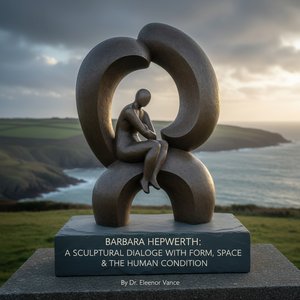
Barbara Hepworth: A Sculptural Dialogue with Form, Space & the Human Condition
Explore the profound world of Barbara Hepworth's sculpture. Discover her artistic evolution, iconic forms, and lasting influence on modern art. A guide for collectors & enthusiasts.

10 legendárních bronzových soch, které změnily umění | OriginalUniqueArt
Objevte 10 legendárních bronzových soch od Michelangela, Rodina a dalších mistrů! Ponořte se do historie umění, technik a příběhů za těmito nadčasovými díly. Najděte inspiraci pro váš interiér s OriginalUniqueArt.com – repliky nejvyšší kvality.

The Enduring Form: Exploring Themes & Techniques in Sculpture Across Historical Periods
Explore the rich history of sculpture from ancient masterpieces to contemporary innovations. Discover key techniques, influential artists & investment potential for discerning art collectors.

The Enduring Allure of Marble in Art History: From Classical Sculpture to Modern Abstraction
Explore the captivating history of marble sculpture from ancient Greece to modern art. Discover renowned artists like Canova & Michelangelo, carving techniques, and investment insights at OriginalUniqueArt.

The Enduring Form: Sculpture Across History, Technique & Emotional Resonance
Explore the rich history of sculpture with OriginalUniqueArt. Discover key techniques, influential artists & investment potential for discerning collectors. Expert insights into valuing and collecting timeless masterpieces.


