- Domů

- Digitální fotografie
- bahar oganer
- Rainy Sunday
 Preview
 Koupit tisk Objednat reprodukci
 Sdílet
 Sdílet
 Podrobnosti o díle
 Přidat do oblíbených

 Stáhnout
 Podobné položky
 Rentgenové snímky
 Slideshow
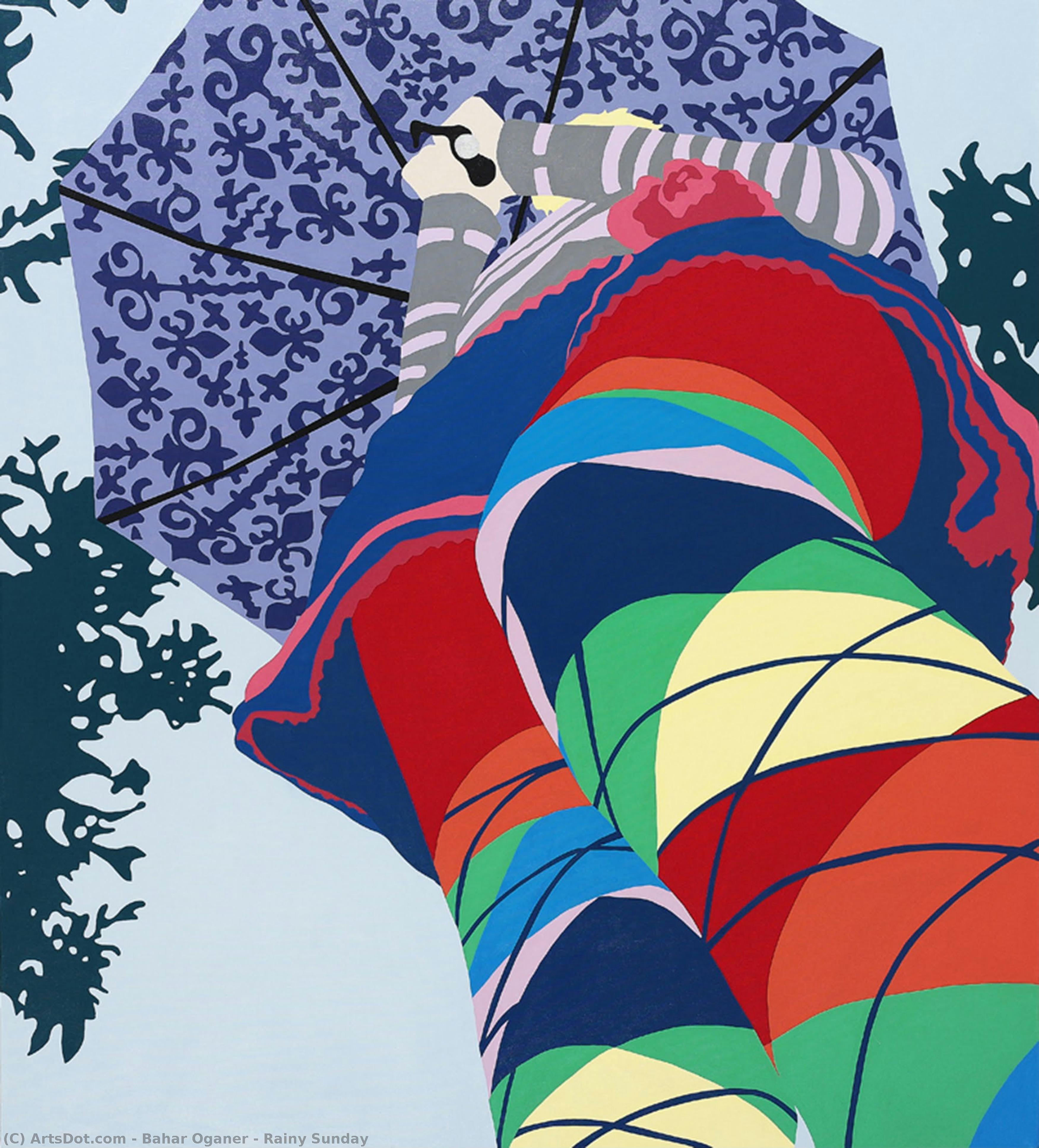
Rainy Sunday
 Painting
- Contemporary Realism
 Contemporary
 185.0 x 205.0 cm
 Elgiz Museum of Contemporary Art
 Zobrazit více
Koupě vysoce rozlišeného, vylepšeného digitálního obrazu, který je mnohem kvalitnější než online náhled.
Každý soubor je pečlivě připraven našimi odborníky pomocí pokročilých nástrojů a expertní manuální retuše. Zajišťujeme, aby každý obraz disponoval výjimečnou ostrostí, přesnou barevnou věrností a jemnými detaily.
Finální soubor vám bude do 72 hodin zaslán e-mailem, optimalizovaný pro okamžité použití v profesionálním, redakčním i tiskovém prostředí. Nabízíme stejnou kvalitu, které důvěřují špičková designová studia, nakladatelství i galerie.
Digitální obrazy
Stáhněte si soubor ve vysokém rozlišení pro osobní prohlížení, tisk a kreativní projekty.
Součást každé objednávky digitálního obrazu
Profesionální digitální doručení, zaručeno.
Když si vyberete OriginalUniqueArt.com, nezískáváte pouze obrázek – získáváte digitální umělecké dílo s profesionálně vylepšenými detaily, zpracované s precizností a podpořené zárukou za spokojenost. Zde je vše, co vaše objednávka automaticky obsahuje:

Rychlé doručení e-mailem
Váš digitální obraz ve vysokém rozlišení vám bude zaslán e-mailem do 72 hodin od objednávky – připraven k okamžitému použití.

Digitální soubor s využitím AI
Vaše umělecké dílo je profesionálně optimalizováno pomocí pokročilých nástrojů umělé inteligence a manuální úpravy, což zajišťuje maximální úroveň detailu, ostrosti a přesnosti barev.

Bezplatné doživotní znovuodeslání
Soubor jste omylem smazali nebo ztratili? Žádný problém – kdykoliv vám ho znovu zašleme zcela zdarma.

Bez poplatků za dovoz – navždy
Užijte si své umělecké dílo okamžitě bez celních poplatků, daní nebo nákladů na dopravu – digitální stažení je vždy bez daňových povinností.

Záruka přesnosti barev
Pomocí profesionálních nástrojů a správy barev zajišťujeme, aby váš digitální obraz odrážel původní barvy co nejvěrněji.

60denní záruka spokojenosti
Pokud nebudete s digitální fotografií spokojeni, provedeme její revizi nebo vám vrátíme 100% během 60 dnů – bez jakýchkoliv dotazů.

100% záruka vrácení peněz
Nespokojeni? Získejte plnou částku zpět do 60 dní od přijetí vašeho digitálního souboru – bez jakýchkoliv dotazů.

Slevy při hromadných objednávkách
Koupěte si 3 obrazy, ušetřete 10% - Koupěte si 5, ušetřete 15% - Koupěte si 10+, ušetřete 20%. Ideální pro kreativní projekty, galerie a agentury.
Popis sběratelského kusu
A Symphony of Color Amidst the Deluge
In the evocative painting Rainy Sunday, the Turkish artist Bahar Oganer invites us into a moment of profound stillness captured within a transient downpour. At first glance, the viewer is met with a striking juxtaposition: the somber, rhythmic descent of rain contrasted against an explosion of chromatic vitality. The central figure, sheltered beneath a meticulously patterned umbrella, serves as the emotional anchor of the composition. Clad in a flowing garment that dances with hues of crimson, amber, azure, and emerald, the subject transforms a potentially melancholic scene into a celebration of life's resilience. The movement within the fabric suggests a gentle breeze, adding a layer of kinetic energy to an otherwise tranquil, frozen moment in time.
The technique employed by Oganer breathes life into the canvas, utilizing a vibrant palette that defies the gray expectations of a rainy day. Each brushstroke contributes to a sense of texture and depth, where the interplay of light and shadow mimics the way moisture clings to surfaces and softens the edges of the world. The umbrella, far from being a mere utilitarian object, becomes a decorative masterpiece in its own right, featuring intricate patterns that draw the eye inward toward the heart of the figure. This careful attention to detail ensures that the painting functions not just as a depiction of weather, but as an exploration of how color can act as a sanctuary against the elements.
Beyond its visual splendor, Rainy Sunday carries a deep symbolic weight that resonates with anyone who has sought refuge during a storm. The umbrella acts as a metaphor for protection, boundaries, and the internal strength required to maintain one's vibrancy when faced with external gloom. Oganer’s work often touches upon themes of human vulnerability and the inevitability of change, yet here, she offers a vision of hope. The painting suggests that even in the midst of life's most persistent rains, there exists an inherent beauty and a capacity for joy that remains untouched by the clouds.
For the discerning collector or interior designer, this piece serves as a magnificent focal point capable of transforming any space. Its large-scale presence (185 x 205 cm) allows the intricate details and bold colors to command attention, making it an ideal selection for contemporary living rooms, sophisticated galleries, or creative studios. As a high-quality reproduction, it brings the soulful essence of Oganer’s Turkish heritage and her unique ability to capture human emotion into the home, offering a permanent window into a world where every rainy Sunday is an opportunity for color to shine.
Biografie umělce
Jean-Michel Basquiat: A Voice of the Streets and a Revolutionary Artist
Born in Brooklyn, New York City, on December 22, 1960, Jean-Michel Basquiat emerged from the vibrant, chaotic crucible of the Lower East Side during the late 1970s and early 1980s. His life was tragically cut short at the age of 27 in August 1988 due to a heroin overdose, but his impact on the art world—and beyond—remains profound. Basquiat’s work wasn't merely painting; it was an urgent and often searing commentary on race, power, poverty, and the American experience, delivered with a raw intensity that continues to resonate today.
Initially collaborating with Al Diaz under the moniker SAMO (Street Art Method of Operation), Basquiat began his artistic journey by tagging subway cars throughout Manhattan. These early interventions were more than just graffiti; they were cryptic epigrams—short, provocative phrases layered with social critique and a distinctly urban sensibility. The duo’s work explored themes of consumerism, inequality, and the decay of the city, reflecting the burgeoning hip-hop culture that was simultaneously taking root in New York's streets. This early period established Basquiat’s core aesthetic: a fusion of street art techniques with intellectual depth.
The Rise of Neo-Expressionism and a Unique Voice
By the early 1980s, Basquiat transitioned from SAMO to working as a solo artist. He quickly gained recognition within the burgeoning neo-expressionist movement, a reaction against the perceived sterility of minimalism and conceptual art. Unlike many of his contemporaries, however, Basquiat didn’t simply embrace traditional painting techniques; he actively dismantled them, incorporating elements of collage, drawing, poetry, and historical references into his work. His canvases became densely layered with text, symbols, and images—a visual vocabulary that was both intensely personal and broadly accessible.
Basquiat's artistic language drew heavily from his African American heritage, as well as the history of slavery, colonialism, and racial injustice in America. He frequently depicted skulls, crowns (representing royalty), and figures referencing historical events and personalities—often juxtaposing them with contemporary symbols of wealth and power. His work was a direct challenge to established artistic norms and a powerful statement about identity and social commentary. The influence of the Black Arts Movement, which sought to celebrate African American culture and history through art, is clearly visible in his approach.
Key Themes and Techniques
Basquiat’s paintings are characterized by their layered complexity and often unsettling juxtapositions. Recurring motifs include skulls (representing mortality), crowns (symbolizing power and identity), hands (suggesting both creation and destruction), and portraits—often of African American figures. He frequently incorporated text, using his own handwriting alongside snippets of poetry, historical quotes, and social commentary. His use of color was often bold and contrasting, reflecting the energy and intensity of his subject matter.
Technically, Basquiat’s process involved a combination of techniques—painting, collage, drawing, and assemblage. He frequently used found objects – newspapers, magazines, maps – to add texture and layers of meaning to his canvases. His work was not about achieving photographic realism; it was about conveying ideas and emotions through a highly stylized and symbolic language.
Legacy and Historical Significance
Despite his tragically short life, Jean-Michel Basquiat’s impact on the art world is undeniable. He quickly rose to prominence in the early 1980s, becoming one of the youngest artists ever exhibited at prestigious institutions like the Whitney Museum of American Art and Documenta. His work continues to be celebrated for its raw honesty, social commentary, and innovative approach to painting. Basquiat’s legacy extends beyond the art world; he is remembered as a cultural icon who challenged conventions, amplified marginalized voices, and used his art as a tool for social change.
His paintings have consistently commanded high prices at auction, demonstrating the enduring value of his work and solidifying his place among the most important artists of the 20th century. Basquiat’s influence can be seen in contemporary artists who continue to explore themes of identity, race, and social justice through their art.

bahar oganer
1980 - , Turkey
Stručné informace
- Artistic Movement Or Style: Neo-expressionism
- Artists Or Movements Influenced By This Artist:
- Graffiti art
- Hip-hop culture
- Artists Who Influenced This Artist:
- Andy Warhol
- Keith Haring
- Date Of Birth: December 22, 1960
- Date Of Death: August 12, 1988
- Full Name: Jean-Michel Basquiat
- Nationality: American
- Notable Artworks:
- Irony of Negro Policeman
- Skull of Doom
- Untitled
- Boy and Dog in a Johnnypump
- Defacement
- Hollywood Africans
- Place Of Birth: New York City, U.S.

