
 Náhled
 Sdílet
 Sdílet
 Podrobnosti o díle

 Stáhnout
 Podobné položky
 Rentgenové snímky
 Slideshow
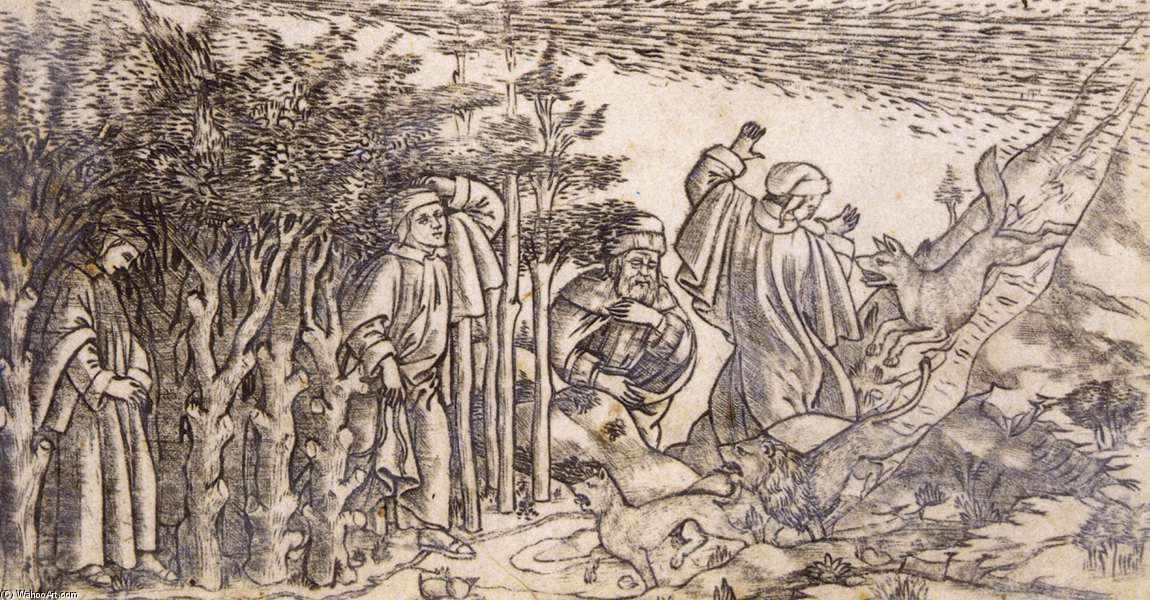
Inferno I


 Zobrazit více
Giclée / Umělecký tisk
Giclée nebo plátěný tisk muzeální kvality s rychlou výrobou a flexibilními možnostmi povrchové úpravy. ( Přepnout na ručně malovanou reprodukci Přepnout na obrázek)




































Vyberte si z našich přednastavených velikostí, které odpovídají původním proporcím díla.

Můžete zadat vlastní rozměry tak, aby výtvor odpovídal konkrétnímu rámu nebo prostoru. Pokud zvolená velikost nebude odpovídat poměru stran původního obrazu, dílo buď ořížeme, nebo obraz rozšíříme pomocí zrcadlového efektu či jednobarevného okraje. Před zahájením výroby vám bude zaslán digitální náhled k schválení.
Mějte prosím na paměti, že náhled na obrazovce neodráží skutečné oříznutí nebo rozšíření. Pouze digitální náhled přesně zobrazí finální kompozici.
Ačkoliv jsou k dispozici i vlastní rozměry, pro zachování původních proporcí doporučujeme vybrat si rozměr z předdefinovaného seznamu.
Celosvětové doručení () do 2 týdnů namísto standardních 4/5 týdnů. (11 srpen)

Zdarma celosvětová expresní doprava

Vysoce kvalitní lněné plátno

Kompletní přepravní pojištění

Záruka vrácení celního poplatku

Záruka přesného barevného shodu

60denní lhůta pro vrácení zboží (pouze při vadách výroby)

100% garance vrácení peněz

Sleva při hromadné objednávce
 Skleněná varianta je dostupná pouze u rozměrů menších než 110 cm

Inferno I
Giclée / Umělecký tisk
Rozměry reprodukce
-


Celková cena za výběr
$ 80
Biografie umělce
Baccio Baldini: A Florentine Renaissance Goldsmith and Engraver
- Born: Florence, Italy (1436)
- Died: 1487
Early Life and Training
Baccio Baldini was an Italian goldsmith and engraver active in Florence during the Renaissance. Information about his life is scarce, primarily derived from Giorgio Vasari's writings. Vasari stated that Baldini was a goldsmith and a student of Maso Finiguerra, who Vasari incorrectly credited as the inventor of engraving. It appears Baldini relied heavily on designs by Sandro Botticelli, purportedly due to a perceived lack of his own artistic skill in disegno (drawing). This assertion has been debated by art historians.
Key Works and Collaborations
- Collaboration with Botticelli: Baldini is best known for his involvement in the 1481 printing of Dante's works, specifically the first printed edition of *Inferno*. It’s believed that Botticelli provided the initial drawings, which Baldini then translated into engravings. However, the extent to which all of Baldini’s work was based on Botticelli’s designs remains a subject of scholarly discussion.
- Attributed Engravings: Over 100 prints have been attributed to Baldini or his workshop. These works showcase a distinctive "fine manner" of Florentine engraving, characterized by:
- Sharp, deeply incised outlines
- Detailed ornamentation in costumes and architecture
- Fine lines used for cross-hatching, creating a textured, almost furry appearance in draperies
- Florentine Picture-Chronicle: Baldini (or his circle) is credited with the *Florentine Picture-Chronicle*, an album of 55 drawings depicting scenes and figures from ancient history housed in the British Museum.
- Otto Prints: Jay Levinson attributed a series of engravings known as the "Otto prints" to Baldini, depicting amorous subjects and hunting scenes intended for pasting into gift boxes. However, the British Museum has not confirmed this attribution as of 2017.
Artistic Style and Technique
Baldini’s engraving style is notable for its attempt to replicate the quality of pen-and-wash drawings. His technique involved a combination of deeply incised lines for outlines and finer, cross-hatched lines for shading. This approach resulted in a unique visual texture that distinguished his work from other contemporary engravers. He appears to have also been skilled in drawing, as evidenced by the *Florentine Picture-Chronicle*. The prints attributed to Baldini and the drawings in the chronicle share characteristics such as intricate surface patterns, a somewhat rudimentary grasp of perspective, and reliance on figure types inspired by Maso Finiguerra.
Historical Significance and Legacy
Baldini’s work represents an important development in Florentine engraving. During his active period (roughly 1460-1490), two distinct styles emerged: the "fine manner" exemplified by Baldini and the “Master of the Vienna Passion,” and the "broad manner," associated with artists like Francesco Rosselli and Antonio Pollaiuolo. While Vasari expressed disapproval of Baldini’s contribution to the printed Dante, his work demonstrates an early attempt to reproduce a painter's designs through printmaking—a practice that would become increasingly significant in later centuries. Despite uncertainties surrounding authorship of some works attributed to him, Baccio Baldini remains a key figure in understanding the evolution of Renaissance engraving and its relationship to painting.

Baccio Baldini
1436 - 1487 , Italy
Rychlé fakta
- Artistic Movement Or Style: Renaissance
- Artists Who Influenced This Artist:
- Maso Finiguerra
- Sandro Botticelli
- Date Of Birth: 1436
- Date Of Death: 1487
- Full Name: Baccio Baldini
- Nationality: Italian
- Notable Artworks:
- First printed Dante (1481)
- Florentine Picture-Chronicle
- Place Of Birth: Florence, Italy

