Náhled v interiéru
 Sdílet
 Sdílet
 Podrobnosti o díle
 Průvodce

 Stáhnout
 Podobné položky
 Rentgenové snímky
 Slideshow
 Otázky a odpovědi
 Statistiky
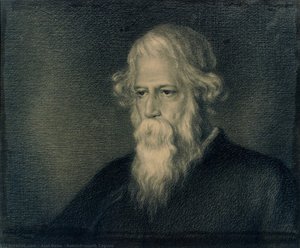
Rabindranath Tagore

- 56.0 x 68.0 cm


 Zobrazit více
Umělecké dílo zobrazené na této stránce je chráněno autorským zákonem, což znamená, že nemůžeme legálně vytvářet ani prodávat jeho identickou reprodukci. Tato ochrana je vymáhána na základě mezinárodních dohod, jako například Berberská úmluva a národními zákony, včetně těch stanovených v Americký autorský zákon – Díl 17. Všechna práva vyhrazena.
Tato metoda je plně v souladu s autorským právem, protože nezahrnuje kopírování ani duplikování chráněného díla. Jde o kreativní reinterpretaci – nový obraz, který je inspirován originálem, ale není s ním identický.
Giclée / Umělecký tisk
Giclée nebo plátěný tisk muzeální kvality s rychlou výrobou a širokou nabídkou povrchových úprav. ( Koupit ručně malovaný obraz Přepnout na digitální obraz)




P118B Kč10

P118H Kč10

P118W Kč10

P438Z Kč10

P508JH Kč12

P508YH Kč12

P805H Kč10

P805Z Kč10

P919BZ Kč10

P919G Kč10

P919XJ Kč10

P959ZH Kč10

P968JZ Kč12

W106C Kč8

W218G Kč10

W218JH Kč8

W218Y Kč10

W307PJ Kč10

W316G Kč10

W316PJ Kč8

W316Y Kč10

W398PJ Kč8

W4111J Kč10

W500HY Kč15

W500JH Kč15

W692G Kč12

W849H Kč8

W940BG Kč15

W953PJ Kč8




Vyberte si z našich přednastavených velikostí, které odpovídají původním proporcím díla.

Zadejte šířku a výšku, které potřebujete pro váš rám nebo stěnu. Tisk lze pouze oříznout, nikdy však nelze zvětšit obraz nad jeho původní rozměr, proto při výběru jiného formátu dochází ke ztrátě části obrazu. Před samotným tiskem vám zašleme digitální náhled k schválení. Obraz zobrazený na této stránce nenabízí skutečný výřez — ten uvidíte pouze v náhledu.
Celosvětové doručení () do 2 týdnů namísto standardních 4/5 týdnů. (9 listopad)

Zdarma celosvětová expresní doprava

Vysoce kvalitní lněné plátno

Kompletní pojištění přepravy

Záruka vrácení celního poplatku

Záruka věrného barevného souladu

100dení lhůta pro vrácení zboží (pouze při vadách výroby)

100% záruka vrácení peněz

Sleva při více objednávkách
 Skleněná varianta je dostupná pouze u rozměrů menších než 110 cm

Rabindranath Tagore
Giclée / Umělecký tisk
Rozměry reprodukce
-


Celková cena za vybrané možnosti reprodukcí
Kč 1763
Rabindranath Tagore: A Portrait of Wisdom and Reflection
The painting by Atul Basu depicts Rabindranath Tagore, arguably India’s most beloved poet and philosopher, captured in a striking black and white photograph. More than just an image of a man, it embodies the spirit of his era – early 20th century Bengal – grappling with profound questions about identity, spirituality, and the role of art in shaping human consciousness. Basu skillfully employs tonal shading to convey Tagore’s contemplative gaze and the subtle contours of his face, creating a portrait that transcends mere likeness.- Style: Graphic Art
- Technique: Printmaking
- Medium: Oil on plywood
Historical Context: Bengal at the Dawn of Modernity
Tagore’s life coincided with a pivotal moment in Indian history – the burgeoning influence of Western ideas and artistic movements alongside the enduring traditions of Hinduism and Buddhism. Basu's depiction captures this tension, reflecting the anxieties and aspirations of a nation striving to define its place in the global landscape. The painting speaks to the broader cultural dialogue occurring during Tagore’s time, highlighting the importance of preserving heritage while embracing innovation.Symbolism: The Eyes That See Beyond
Tagore's gaze directs towards the viewer, symbolizing his unwavering belief in the power of observation and understanding. It suggests a willingness to confront uncomfortable truths and pursue knowledge with humility and compassion—values that permeate Tagore’s writings and continue to resonate today. Basu skillfully utilizes tonal shading to convey this profound sense of inner reflection, transforming the portrait into more than just an image; it becomes a conduit for contemplation.Emotional Impact: A Legacy of Quiet Dignity
Ultimately, Atul Basu's painting succeeds in conveying Tagore’s enduring legacy – one characterized by intellectual brilliance tempered with spiritual sensitivity and unwavering moral integrity. The photograph captures the essence of his character, inviting viewers to contemplate the timeless questions posed by art itself. It serves as a reminder that true beauty lies not merely in visual splendor but also in the depth of thought and emotion conveyed—a sentiment perfectly embodied in this remarkable portrait.Otázky a odpovědi
Pod jakými dalšími jmény nebo pseudony je Atul Basu známý/á?
Atul Basu se vystupuje även pod alternativními jmény Atul Bose.
Odkud pocházejí návštěvníci díla „Rabindranath Tagore“ od Atul Basu?
Pro dílo „Rabindranath Tagore“ je k dispozici stránka Statistiky. Zobrazuje měsíční počet návštěv tohoto díla i dalších děl daného umělce s rozpadem podle zemí a jazyků.
K kterému uměleckému směru patří „Rabindranath Tagore“ od Atul Basu?
„Rabindranath Tagore“ je dílo z období Graphic art. Tento směr představuje uměleckou tradici, jejíž je dílo součástí.
Biografie umělce
Raný život a vzdělání
Atul Basu, významný indický malíř, přišel na svět 22. února 1898 v Mymensinghu, tehdejší bengálské prezidenci. Jeho dětství strávené v městečku Mymensingh položilo pevné základy pro jeho budoucí umělecké snahy. Cestu k mistrovství začal formovat na pobočce National Council of Education v Mymensingu, po které následovala odborná studia na prestižní Jubilee Art Academy v Kalkutě.Kariéra a vlivy
Díky stipendiu z univerzity v Kalkutě se Basu vydal na cestu do Londýna, kde v letech 1924–192no2 studoval umění na Royal Academy. Právě zde na něj zásadní vliv exerted postimpresionist Walter Sickert. Basu projevil neústupnost ve své umělecké integritě, když odmítl pozvání k dekoraci pavilonu na British Empire Exhibition, čímž jasně demonstroval svou věrnost vlastní vizi. V roce 1921 spoluzaložil Indian School of Oriental Art společně s Bhabanim Charanem Lahou a později se zasadnil o rozkvět umění jako ředitel Government College of Art & Craft. Jeho dílo, pro které je charakteristické mistrovné ovládání olejových barev, zahrnuje například Sfingy (olej na překližkové desce) či Autoportrét (1945).Významná díla a sbírky
Mezi jeho nejvýznamnější tvorbu patří:Sfinga (olej na překližkové desce)
Autoportrét (1945)
Portréty pocházející z původních sbírek ve Windsorském hradě a Buckinghamském paláci, které byly commissionovány indickou vládou.
Jeho odkaz je dnes uchováván v těchto prestižních institucích:
- Kiran Nadar Museum of Art (KNMA)
- National Gallery of Modern Art
- Indian Museum
- Parliament House, New Delhi
- Raj Bhavan, Kalkuta
Ocenění a uznání
Jako důkaz jeho mimořádného přínosu pro kulturu byl Basu v roce 1970 poctěn titulem D.Litt od univerzity Rabindra Bharati v Kalkutě. Pro více informací o díle Atula Basua navštivte OriginalUniqueArt.com:* Atul Basu | Umělecká díla
* Kolekce Vera Bluemner Kouba v National Gallery of Modern Art, Indie
Objevte další indické umělce a jejich tvorbu na OriginalUniqueArt.com:
* Pathik Sahoo | Umělec
* Pierre-Jean David d'Angers: Émile-Jean-Horace Vernet (1789–1863)

Atul Basu
1898 - 1977 , Indie