
 Náhled v interiéru
 Sdílet
 Sdílet
 Podrobnosti o díle
 Průvodce

 Stáhnout
 Podobné položky
 Rentgenové snímky
 Slideshow
 Otázky a odpovědi
 Statistiky
Untitled from 8 Lithografier

 Zobrazit více
Umělecké dílo zobrazené na této stránce je chráněno autorským zákonem, což znamená, že nemůžeme legálně vytvářet ani prodávat jeho identickou reprodukci. Tato ochrana je vymáhána na základě mezinárodních dohod, jako například Berberská úmluva a národními zákony, včetně těch stanovených v Americký autorský zákon – Díl 17. Všechna práva vyhrazena.
Tato metoda je plně v souladu s autorským právem, protože nezahrnuje kopírování ani duplikování chráněného díla. Jde o kreativní reinterpretaci – nový obraz, který je inspirován originálem, ale není s ním identický.
Giclée / Umělecký tisk
Giclée nebo plátěný tisk muzeální kvality s rychlou výrobou a širokou nabídkou povrchových úprav. ( Koupit ručně malovaný obraz Přepnout na digitální obraz)




P118B Kč10

P118H Kč10

P118W Kč10

P438Z Kč10

P508JH Kč12

P508YH Kč12

P805H Kč10

P805Z Kč10

P919BZ Kč10

P919G Kč10

P919XJ Kč10

P959ZH Kč10

P968JZ Kč12

W106C Kč8

W218G Kč10

W218JH Kč8

W218Y Kč10

W307PJ Kč10

W316G Kč10

W316PJ Kč8

W316Y Kč10

W398PJ Kč8

W4111J Kč10

W500HY Kč15

W500JH Kč15

W692G Kč12

W849H Kč8

W940BG Kč15

W953PJ Kč8




Vyberte si z našich přednastavených velikostí, které odpovídají původním proporcím díla.

Zadejte šířku a výšku, které potřebujete pro váš rám nebo stěnu. Tisk lze pouze oříznout, nikdy však nelze zvětšit obraz nad jeho původní rozměr, proto při výběru jiného formátu dochází ke ztrátě části obrazu. Před samotným tiskem vám zašleme digitální náhled k schválení. Obraz zobrazený na této stránce nenabízí skutečný výřez — ten uvidíte pouze v náhledu.
Celosvětové doručení () do 2 týdnů namísto standardních 4/5 týdnů. (8 listopad)

Zdarma celosvětová expresní doprava

Vysoce kvalitní lněné plátno

Kompletní pojištění přepravy

Záruka vrácení celního poplatku

Záruka věrného barevného souladu

100dení lhůta pro vrácení zboží (pouze při vadách výroby)

100% záruka vrácení peněz

Sleva při více objednávkách
 Skleněná varianta je dostupná pouze u rozměrů menších než 110 cm

Untitled from 8 Lithografier
Giclée / Umělecký tisk
Rozměry reprodukce
-


Celková cena za vybrané možnosti reprodukcí
Kč 1763
Biografie umělce
A Life Forged in Rebellion: The Artistic Journey of Asger Jorn
Asger Oluf Jørn, a name synonymous with artistic rebellion and avant-garde innovation, emerged from the quiet landscapes of Jutland, Denmark, in 1914. His life was not merely a chronicle of paintings and sculptures; it was a passionate engagement with the tumultuous currents of 20th-century thought, a relentless questioning of societal norms, and an unwavering commitment to artistic freedom. Born into a family of teachers, Jørn’s early years were marked by intellectual stimulation but also shadowed by loss – the death of his father when he was just twelve profoundly shaped his rebellious spirit. This formative experience ignited within him a skepticism towards authority, both religious and societal, that would become a defining characteristic of his artistic and political life. A diagnosis of tuberculosis at fifteen led to a period of convalescence on the Danish coast, fostering introspection and a deepening connection with the natural world – elements that would subtly permeate his later work. Even during these early years, Jørn’s intellectual curiosity extended beyond conventional boundaries; studies at Vinthers Seminarium were coupled with an active involvement in the Communist Party of Denmark, and a crucial mentorship under Christian Christensen, laying the groundwork for a life dedicated to challenging the status quo.From Parisian Studios to Avant-Garde Manifestos
Jørn’s artistic education began formally at the Royal Danish Academy of Fine Arts in Copenhagen (1937-1942), but it was his time in Paris that proved truly transformative. Initially drawn to the tutelage of Wassily Kandinsky, he soon found himself more aligned with the principles espoused by Fernand Léger’s Académie Contemporaine. This shift marked a decisive move away from figurative representation and towards the liberating possibilities of abstraction. The Parisian art scene, buzzing with new ideas and challenging conventions, ignited Jørn's creative fire. However, it wasn’t simply about adopting a style; it was about forging a unique artistic language that reflected his own deeply held beliefs. This quest for originality led him to co-found two pivotal avant-garde movements: COBRA (1948-1951) and the Situationist International (1957). COBRA, an acronym derived from Copenhagen, Brussels, and Amsterdam – the cities of its founders – championed spontaneous creation, experimentation, and a fusion of artistic traditions. Jørn’s involvement was instrumental in defining COBRA's ethos, advocating for an art that was raw, immediate, and unburdened by intellectual constraints. Later, his engagement with the Situationist International saw him applying his scientific and mathematical knowledge – drawing inspiration from figures like Henri Poincaré and Niels Bohr – to develop a unique ‘situlogical’ technique, further blurring the lines between art, theory, and social critique.Themes of Kitsch, Society, and Spontaneous Creation
Jørn's artistic output is remarkably diverse, encompassing painting, sculpture, ceramics, and writing, yet it remains unified by a set of recurring themes and stylistic characteristics. He possessed a provocative fascination with kitsch, arguing in his influential essay "Intimate Banalities" that these often-dismissed works held greater artistic merit than conventional fine art – a bold statement challenging the established hierarchies of taste. His work frequently served as a platform for social commentary, reflecting his socialist convictions and critiques of societal structures. The monumental painting Stalingrad, a powerful depiction of the brutal battle, stands as a testament to this engagement with historical events and human suffering. Beyond explicit political statements, Jørn’s art is characterized by an embrace of experimentation – not just in materials but also in technique. He was a prolific ceramicist alongside his painting practice, constantly exploring new possibilities. Above all, spontaneity and improvisation were central to his artistic process; he rejected rigid planning in favor of intuitive creation, allowing the work to evolve organically through chance encounters and unexpected gestures.A Lasting Legacy: The Museum Jorn and Beyond
Asger Jørn’s impact on modern art is undeniable. His contributions to COBRA helped shape the development of European avant-garde movements in the post-World War II era, fostering a spirit of experimentation and collaboration that continues to inspire artists today. His involvement with the Situationist International cemented his reputation as a radical thinker who challenged conventional notions of art, society, and politics. Jørn’s legacy is powerfully preserved at the Museum Jorn in Silkeborg, Denmark – a space he generously bequeathed to the community, including his property and an extensive collection of his works. The museum serves not only as a repository of his artistic achievements but also as a vital center for research and appreciation of his multifaceted body of work. Jørn’s art continues to resonate with audiences worldwide, recognized for its unique blend of artistic innovation, social critique, and intellectual depth – a testament to the enduring power of an artist who dared to question everything and forge his own path.
Asger Jorn
1914 - 1973 , Denmark
Rychlé informace o umělci
- Full Name: Asger Oluf Jorn
- Nationality: Danish
- Date Of Birth: 1914
- Date Of Death: 1973
- Place Of Birth: Vejle, Denmark
- Notable Artworks:
- Stalingrad
- The Black Flight
- Untitled (Lithograph)
- Artistic Movement Or Style: COBRA, Situationism, Abstract
- Artists Who Influenced This Artist:
- Kandinsky
- Fernand Léger
- Artists Or Movements Influenced By This Artist:
- COBRA
- Situationist International
Související články

Geometrická abstrakce: 10 mistrovských děl, které změnily umění | OriginalUniqueArt.cz
Prozkoumejte 10 ikonických děl geometrické abstrakce od Mondriana, Maleviče a Kandinského. Objevte příběhy umělců, techniky a historii tohoto revolučního hnutí. Najděte inspiraci pro moderní dekorace a luxusní reprodukce obrazů na OriginalUniqueArt.com.
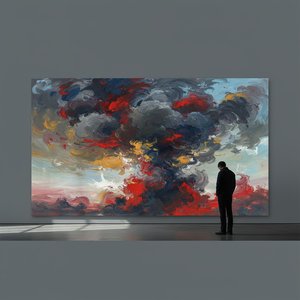
Beyond Representation: Exploring the Emotional Landscape of Abstract Expressionism
Explore the profound emotional world of Abstract Expressionism with OriginalUniqueArt. Discover key artists like Pollock & Rothko, learn about collecting, and find museum-quality reproductions to inspire your space.

Top 10 mistrovských děl abstraktního expresionismu | Umění a dekorace s OriginalUniqueArt.com
Prozkoumejte 10 ikonických děl abstraktního expresionismu od Pollocka, Rothka a dalších. Objevte příběhy za obrazy, techniky a barevné palety tohoto revolučního uměleckého hnutí. Reprodukce obrazů s OriginalUniqueArt.com – luxusní dekorace pro váš interiér. Prozkoumejte celou kolekci online!
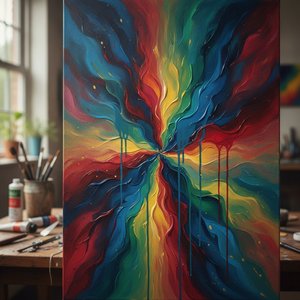
Lyrical Abstraction: The Emotional Power of Color and Form in Modern Art History
Explore the profound emotional depth of Lyrical Abstraction. Discover how masters like Raymond Parker used color and form to bridge Impressionism and Abstract Expressionism. Learn about this pivotal movement through our expert-led art history guide.

Wassily Kandinsky: Top 25 mistrovských děl abstrakce pro váš interiér | OriginalUniqueArt.com
Prozkoumejte 25 ikonických děl Wassily Kandinského – průkopníka abstraktního umění a expresionismu. Objevte příběhy za barevnými kompozicemi, Bauhaus styl a inspirujte se pro váš interiér s reprodukcemi nejvyšší kvality na OriginalUniqueArt.com.