Symbolism
Comus 21 (Arthur Rackham)
Arthur Rackham (1866–1939) vytvořil dílo Comus 21. Patří k hnutí Symbolism. Je vyrobeno z Ink On Paper.
- Ink On Paper

 Náhled v interiéru

 Ručně malovaná olejná reprodukce
 Sdílet
 Sdílet
 Informační list pro studenty


 Stáhnout
 Podobné položky
 Rentgenové snímky
 Slideshow
 Otázky a odpovědi

 Statistiky
Comus 21 v kostce
- Název díla
- Comus 21
- Autor
- Arthur Rackham (1866–1939)
- Rok narození umělce
- Pešť, Maďarsko
- Technika
- Ink On Paper
- Pohyb
- Symbolism
- Období
- Modern
- Motiv
- woman, dancing, tree, water, foliage, drapery
Co przedstawuje dílo Comus 21?
Identification of Comus 21 by Artúr Lajos Halmi
We are looking at Comus 21, a work by the Hungarian artist Artúr Lajos Halmi. Born in 1866 in Pest, Halmi developed a presence in the art world that spanned continents, eventually passing away in New York City on December 3, 1939. This particular piece belongs to a series of explorations into mythological and allegorical themes, capturing a specific moment of movement and grace.
The title refers to the mythological figure associated with festivity and revelry. In this composition, Halmi moves away from the formal portraiture for which he was often sought, opting instead for a more ethereal, illustrative approach. The figures within the work appear to float, caught in a dance that feels both light and slightly melancholic. It is a quiet departure from his more structured studies, leaning into the dreamlike qualities of fantasy.
Halmi’s hand is evident in the delicate way the forms are defined. There is a sense of weightlessness here that contrasts with the grounded, earthy tones used throughout the scene. It is an intimate glimpse into the artist's ability to translate folklore into a visual language of flowing lines and soft, diffused light.
Visual Composition and Subject Matter
The composition centers upon two female figures positioned in the middle ground. They appear to be caught in a moment of movement, dancing or floating gracefully above the surface of the water. Their forms are draped in flowing robes, a detail that suggests they may be spirits or fairies rather than mortal beings. This sense of weightlessness creates a quiet dynamism at the heart of the scene.
In the background, the space is populated by a crowd of indistinct figures, adding a sense of scale to the ethereal setting. Stylized trees and dense foliage rise behind the dancers, providing a sense of depth and atmosphere to the landscape. The arrangement of these natural elements helps to frame the central figures, drawing the eye toward their rhythmic motion. The subject matter draws from the realms of folklore or mythology, presenting a scene that feels pulled from a dream or an ancient legend.
Artistic Style and Visual Elements
The aesthetic of this piece is defined by a whimsical and ethereal quality, reminiscent of the signature style of Arthur Rackham. There is a palpable sense of movement achieved through the use of delicate, flowing lines that trace the contours of the figures and the surrounding landscape. These organic, curvilinear shapes emphasize the weightless nature of the drapery and the natural forms of the foliage, creating a scene that feels suspended between reality and a dreamlike state.
The color palette remains muted and earthy, relying on a restrained selection of grey, brown, beige, and pale blue. This limited range contributes to the soft, diffused lighting that permeates the composition. Rather than relying on harsh shadows, the artist uses subtle variations in tone to establish depth. Texture is suggested through precise hatching and cross-hatching techniques, particularly within the dense foliage and the folds of the clothing, providing a tactile dimension to the otherwise airy atmosphere.
Technique and Artistic Medium
The execution of this piece relies on the delicate interplay between pen and ink and soft watercolor washes. This combination allows for a precise definition of form while maintaining a sense of lightness. The artist employs intricate hatching and cross-hatching to build volume within the foliage and the drapery of the figures. These fine lines create a tactile quality, giving weight to the organic shapes without sacrificing the ethereal atmosphere of the scene.
There is a certain fluidity in the way the medium is applied. The watercolor washes are used to create a muted, earthy palette, favoring shades of beige, grey, and pale blue. This restrained use of color avoids harshness, contributing to the dreamlike quality of the work. The soft, diffused lighting is achieved through these subtle tonal shifts rather than through sharp highlights or heavy shadows. It is a quiet, controlled approach to illustration.
Related Works by the Same Artist
The artist’s exploration of this particular theme is quite extensive, as seen in other compositions from the same series. You might find interest in Comus 16 or Comus 19, which share a similar thematic focus. These pieces allow for a deeper understanding of how the artist approached the subject matter through different visual arrangements.
Within the artist's broader body of work, Comus 11 also holds a significant place. This specific piece is part of the 1921 Comus illustration series. Examining these related works provides a sense of the continuity present in the artist's vision during that period of production.
Vysokorozlišené fotografie díla Comus 21
Arthur Rackham, Comus 21.
Arthur Rackham (1866–1939), Comus 21, ink on paper. Veřejná doména Obrázek: OriginalUniqueArt.com.
Odpovědi na otázky k dílu Comus 21
Jakou technikou je vytvořeno dílo "Comus 21"?
„Comus 21“ je dílo vytvořené v technice Ink On Paper.
Co zachycuje dílo „Comus 21“ od Arthur Rackham?
„Comus 21“ od Arthur Rackham zobrazuje: woman, dancing, tree, water, foliage, drapery, sky.
Je dílo „Comus 21“ volné z autorských práv?
Stav autorských práv pro dílo „Comus 21“ od Arthur Rackham: toto dílo spadá do v rámci volného užití – autorská práva vypršela. To určuje, zda lze volně vytvářet reprodukce tohoto obrazu.
K kterému umělci je dílo "Comus 21" připisováno?
Autorem díla „Comus 21“ je Arthur Rackham. Práce je v katalogu uvedena pod jménem Arthur Rackham.
K kterému uměleckému směru patří „Comus 21“ od Arthur Rackham?
Dílo „Comus 21“ od Arthur Rackham patří k období směru Symbolism, který dílu dodává jeho stylistický kontext.
Do které éry tvorby Arthur Rackham spadá dílo "Comus 21"?
„Comus 21“ představuje období Mature Period umělce Arthur Rackham.
Patří dílo „Comus 21“ od Arthur Rackham do volného užití, a proč?
Dílo „Comus 21“ od Arthur Rackham spadá do v rámci volného užití – autorská práva vypršela. Autorská práva se počítají od roku úmrtí autora; Arthur Rackham zemřel(a) v roce 1939.
Jakým způsobem se dílo „Comus 21“ zapojuje do témat a stylu umělce Arthur Rackham?
„Comus 21“ patří k dílu Arthur Rackham v rámci směru Symbolism, jehož typická témata zahrnují mihály munkácsy, hans makart, mythological themes, illustrative fantasy style.
Jakým způsobem se motiv díla „Comus 21“ vztahuje k obvyklým tématům umělce Arthur Rackham?
„Comus 21“ zachycuje woman, dancing, tree, water, foliage, drapery, sky, zatímco v díle umělce Arthur Rackham se setkáváme s tématy jako mihály munkácsy, hans makart, mythological themes, illustrative fantasy style. Porovnání těchto dvou aspektů odhaluje, jak toto dílo navazuje na obvyklá témata tohoto autora.
O umělci, Arthur Rackham

1866–1939, Maďarsko
Arthur Rackham
A Luminary of the Golden Age: The Life and Art of Arthur Rackham Arthur Rackham, jméno synonymum s kouzelstvým britské ilustrace knih, se objevilo v období často oslavovaném jako jeho “Zlatý věk”. Narodil se v roce 1867 v Leweshamu, Kentu, uprostřed velké rodiny dvanáct dětí, a jeho rané životy naznačovaly uměleckou cestu, kterou měl být určen k prožití. Cesta do Austrálie ve věku sedmnatiletí, podniknutá z důvodu zdraví společně s dvěma tchyněmi, se ukázala jako transformační, která vyvolala průzkum, který definoval jeho kariéru. Ačkoli byl původně určen k konvenčnější profesi – účetnictví na Westminster Fire Office – Rackhamova vášeň vedla k večerním studiu na Lambeth School of Art, klíčovému rozhodnutí, které ho nasměrovalo k tomu, aby se stal jedním z nejmilovanějších ilustrátorů všech dob.
Také od autora Arthur Rackham
 Fairy with parasol
 Jack the Giant-Killer 4
 There is almost nothing that has such a keen sense of fun as a fallen leaf (also known as Joy of a Fallen Leaf)1906
 Hansel picked up the glittering white pebbles and filled his pockets with them.
Eseje k tématu Comus 21
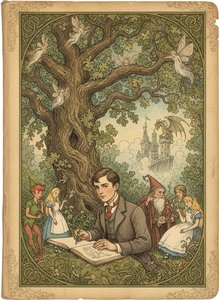 Arthur Rackham: A Master of British Illustration & the Enchanted Realm of Fairy TalesExplore the enchanting world of Arthur Rackham (1867-1939), a leading figure in British Golden Age illustration. Discover his iconic fairy …
 The 25 Masterpieces of Akseli Gallen-Kallela: A Journey Through Finnish Soul and MythBorn from the devastating loss of his daughter Marjatta, Flower of Death (1895) transforms private sorrow into a profound visual poetry.
 25 Mystical Landscapes and Ethereal Figures by Mikalojus Konstantinas Čiurlionis25 works created between 1904 and 1909, including Pisces and Bridges, detailing the symbolist evolution of Mikalojus Konstantinas Čiurlioni…