

 Zobrazit v interiéru
 Odeslat
 Sdílet
 Podrobnosti
 Průvodce

 Stáhnout obrázek
 Podobné kousky
 Rentgenové snímky
 Slideshow
 Statistiky
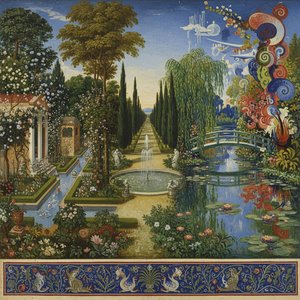
Garden Scene
 Oil On Canvas
- WallArt
- Modernism of his day
 1907
1907- Early Modern
 36.0 x 49.0 cm
 Arnold Schönberg Center
 Přečíst si více
Giclée / Umělecký tisk
Giclée nebo plátěný tisk muzeální kvality s rychlou výrobou a širokou nabídkou povrchových úprav. ( Objednat ručně malovanou reprodukci Přepnout na digitální verzi obrazu)




P118B Kč10

P118H Kč10

P118W Kč10

P438Z Kč10

P508JH Kč12

P508YH Kč12

P805H Kč10

P805Z Kč10

P919BZ Kč10

P919G Kč10

P919XJ Kč10

P959ZH Kč10

P968JZ Kč12

W106C Kč8

W218G Kč10

W218JH Kč8

W218Y Kč10

W307PJ Kč10

W316G Kč10

W316PJ Kč8

W316Y Kč10

W398PJ Kč8

W4111J Kč10

W500HY Kč15

W500JH Kč15

W692G Kč12

W849H Kč8

W940BG Kč15

W953PJ Kč8




Vyberte si z našich přednastavených velikostí, které odpovídají původním proporcím díla.

Zadejte šířku a výšku, které potřebujete pro váš rám nebo stěnu. Tisk lze pouze oříznout, nikdy však nelze zvětšit obraz nad jeho původní rozměr, proto při výběru jiného formátu dochází ke ztrátě části obrazu. Před samotným tiskem vám zašleme digitální náhled k schválení. Obraz zobrazený na této stránce nenabízí skutečný výřez — ten uvidíte pouze v náhledu.
Celosvětové doručení () do 2 týdnů namísto standardních 4/5 týdnů. (21 říjen)

Zdarma celosvětová expresní doprava

Vysoce kvalitní lněné plátno

Úplné pojištění přepravy

Záruka vrácení celního poplatku

Záruka věrného barevného shodu

100dení lhůta pro vrácení zboží (pouze při vadách výroby)

100% garance vrácení peněz

Sleva při více objednávkách
 Skleněná varianta je dostupná pouze u rozměrů menších než 110 cm

Garden Scene
Giclée / Umělecký tisk
Velikost reprodukce
-


Celková cena
Kč 1700
A Moment of Spontaneous Harmony: Exploring Arnold Schönberg’s ‘Garden Scene’
Arnold Schönberg's “Garden Scene,” painted in 1907, is more than just a depiction of an outdoor gathering; it’s a visceral expression of the artist’s revolutionary approach to color and form. Created during a pivotal moment in artistic history – a time when established conventions were being aggressively challenged – this work embodies Schönberg's commitment to spontaneity and his willingness to embrace unconventional materials, reflecting the burgeoning spirit of Modernism. Measuring 36 x 49 cm, the painting immediately captivates with its vibrant palette and seemingly effortless composition. The scene unfolds with a group of figures enjoying themselves beneath a lush green canopy, seated around tables laden with simple yet elegant dining ware. This isn’t a meticulously rendered landscape; rather, it's an impression, a fleeting moment captured through a deliberate disregard for traditional artistic constraints.
Technique and Materiality: A Radical Experiment
What truly distinguishes “Garden Scene” is Schönberg’s audacious technique. He abandoned the conventional practice of priming surfaces – a cornerstone of academic painting – opting instead to utilize plywood and board directly, exposing the raw texture of the support. This decision, repeated in over 50 distinct combinations across his œuvre, speaks volumes about his desire for immediacy and an unvarnished truthfulness in his work. The visible grain of the wood, coupled with the layering of pigments, creates a dynamic surface that shifts with the light, adding depth and complexity to the scene. Schönberg’s preference for a fluid approach is evident in the loose brushwork and the blending of colors, suggesting a process driven by intuition rather than precise calculation. This rejection of traditional methods aligns him squarely within the modernist movement's pursuit of new forms of expression.
Historical Context: Vienna at the Dawn of Modernism
To fully appreciate “Garden Scene,” it’s essential to understand its historical context. Schönberg was working in Vienna, a city that was a hotbed of artistic innovation at the turn of the 20th century. The late 1890s and early 1900s witnessed a dramatic shift away from representational art, with artists like Schönberg, Gustav Klimt, and Egon Schiele pushing boundaries in color theory, composition, and subject matter. Schönberg’s exploration of atonality in his musical compositions – a radical departure from traditional harmony – mirrored his artistic experimentation, reflecting a broader cultural upheaval. The painting's creation coincides with the premiere of his String Quartet No. 2 (1907-1908), further solidifying his position as a leading figure in this revolutionary movement.
Symbolism and Emotional Impact
While seemingly simple, “Garden Scene” resonates with subtle symbolic layers. The figures gathered around the tables represent community, leisure, and perhaps even contemplation – themes frequently explored in Impressionist and Post-Impressionist art. The vibrant green of the canopy evokes a sense of tranquility and renewal, while the varied textures and colors contribute to an overall feeling of warmth and conviviality. Schönberg’s deliberate use of unprimed surfaces adds a layer of vulnerability and honesty to the work, inviting viewers to connect with it on a deeply emotional level. This piece is not merely a representation of a garden; it's a testament to the power of artistic freedom and the pursuit of authentic expression.
Otázky a odpovědi
Jaké je umětrovědné postavení díla „Garden Scene“ od Arnold Schoenberg?
Dílo „Garden Scene“ od Arnold Schoenberg patří k období Early Modern a směru Modernism of his day. Tyto prvky společně zasazují dílo do historie umění.
Hangi tónem se "Garden Scene" sklání?
Dílo „Garden Scene“ od Arnold Schoenberg je protknuto Green to Violet Spectrum odstínem.
Jak intenzivní jsou barvy v díle „Garden Scene“ od Arnold Schoenberg?
Intenzita barev díla „Garden Scene“ je Balanced. Intenzita popisuje, jak výrazné barvy působí.
Biografie umělce
mladost a hudební počátky
arnold schoenberg, rakousko-americký skladatel, se narodil 13. září 1874 ve vídni v Rakousku. Jeho raný život byl poznamenán skromným počátkem, neboť jeho otec byl majitelem obuvi. Navzdory těmto prostým podmínkám jej však vrozená vášeň pro hudbu vedla k tomu, že se v tomto oboru v značné míře vzdělal sám.hudební evoluce a významná díla
Schoenbergovy rané práce, jako například verklärte nacht (1899), představovaly syntézu brahmsovsko-wagnerovského stylu. Jak jeho tvorba postupovala vpřed, stal se centrální postavou druhé vídeňské školy spolu s antonem webernem a albanem bergem. Jeho kompozice, mezi něž patří kvartet pro smyčce č. 2 (1907–1908), erwartung (19mu09) a pierrot lunaire (1912), zosobňovaly jeho inovativní přístup k atonalitě.učitelství, emigrace a pozdější život
V roce 1933 musel Schoenberg rezignovat z Pruské akademie umění kvůli nástupu nacistů k moci, kteří jeho hudbu označili za „degenerovanou“. Následně působil jako pedagog v USA, včetně Kalifornské univerzity v Los Angeles (1936–1944), kde jsou dnes některé prostory pojmenovány právě po něm. [https://OriginalUniqueArt.com/@/arnold-schaenberg](zjistěte více o Schoenbergově životě a díle na OriginalUniqueArt).- Schoenberg se věnoval filmové hudbě a psal více tonální skladby, čímž v roce 1939 dokončil svou symfonii pro komorní orchestr č. 2.
- V díle óda Napoleonovi (1942), inspirované Byronem, se zaměřil na satiru fascistických tyranů.
- Poválečné Vídeň mu nabídla čestné občanství, avšak jeho poslední léta byla poznamenána nemocí, což je zrcadleno v jeho smyčcovém trio (1946).
odkaz a vliv
Když svět zjišťoval hrůzy holocaustu, Schoenberg věnoval památku jeho obětem v díle a survivor from warsaw (1947). V roce 1951 byl zvolen čestným prezidentem Izraelské konzervatoře a akademie hudby. [https://OriginalUniqueArt.com/@@/a@d3bqc7-the-museum-destroyed-by-fire-(united-states)](dozvěděte se více o dopadu jeho tvorby na OriginalUniqueArt). Klíčové body:- Schoenbergova inovativní hudba patřila k nejvlivnějším a nejkontroverznějším dílům klasické hudby 20. století.
- Alespoň tři generace skladatelů rozvinuly jeho formální principy.
- Jeho estetické a hudebně historické pohledy ovlivnily musicology Theodor W. Adorno a Carla Dahlhousea.

Arnold Schoenberg
1874 - 1951 , Rakousko
Rychlé informace
- Artistic Movement Or Style: Dvanáctitónová technika; Expresionismus
- Artists Or Movements Influenced By This Artist:
- Anton Webern
- Alban Berg
- Artists Who Influenced This Artist:
- Johannes Brahms
- Richard Wagner
- Date Of Birth: 13. září 1874
- Date Of Death: 1951
- Full Name: Arnold Schoenberg
- Nationality: Rakousko-americký
- Notable Artworks:
- Suite, op. 29
- Music Typewriter
- Staffliner
- Place Of Birth: Vídeň, Rakousko
Související články

Beyond the Lines: Mastering the High-Impact World of Contemporary Abstraction
Master the high-impact world of contemporary abstraction. Discover how bold colors, textures, and modern movements like Abstract Expressionism can transform your space with premium, high-energy art curated for the design-conscious professional.

Geometrická abstrakce: 10 mistrovských děl, které změnily umění | OriginalUniqueArt.cz
Prozkoumejte 10 ikonických děl geometrické abstrakce od Mondriana, Maleviče a Kandinského. Objevte příběhy umělců, techniky a historii tohoto revolučního hnutí. Najděte inspiraci pro moderní dekorace a luxusní reprodukce obrazů na OriginalUniqueArt.com.

Wassily Kandinsky: Top 25 mistrovských děl abstrakce pro váš interiér | OriginalUniqueArt.com
Prozkoumejte 25 ikonických děl Wassily Kandinského – průkopníka abstraktního umění a expresionismu. Objevte příběhy za barevnými kompozicemi, Bauhaus styl a inspirujte se pro váš interiér s reprodukcemi nejvyšší kvality na OriginalUniqueArt.com.
Cultivating Paradise: A Historical & Artistic Exploration of Gardens in Painting
Explore the rich history of gardens in painting! Discover masterpieces from Renaissance to Impressionism & beyond. Learn about symbolism, artists like Monet & Klimt, and find your perfect artwork at OriginalUniqueArt.

Top 10 mistrovských děl abstraktního expresionismu | Umění a dekorace s OriginalUniqueArt.com
Prozkoumejte 10 ikonických děl abstraktního expresionismu od Pollocka, Rothka a dalších. Objevte příběhy za obrazy, techniky a barevné palety tohoto revolučního uměleckého hnutí. Reprodukce obrazů s OriginalUniqueArt.com – luxusní dekorace pro váš interiér. Prozkoumejte celou kolekci online!


