
 Náhled v interiéru
 Sdílet
 Sdílet
 Podrobnosti o díle
 Průvodce

 Stáhnout
 Podobné položky
 Rentgenové snímky
 Slideshow
 Q&A
Q&A Statistiky
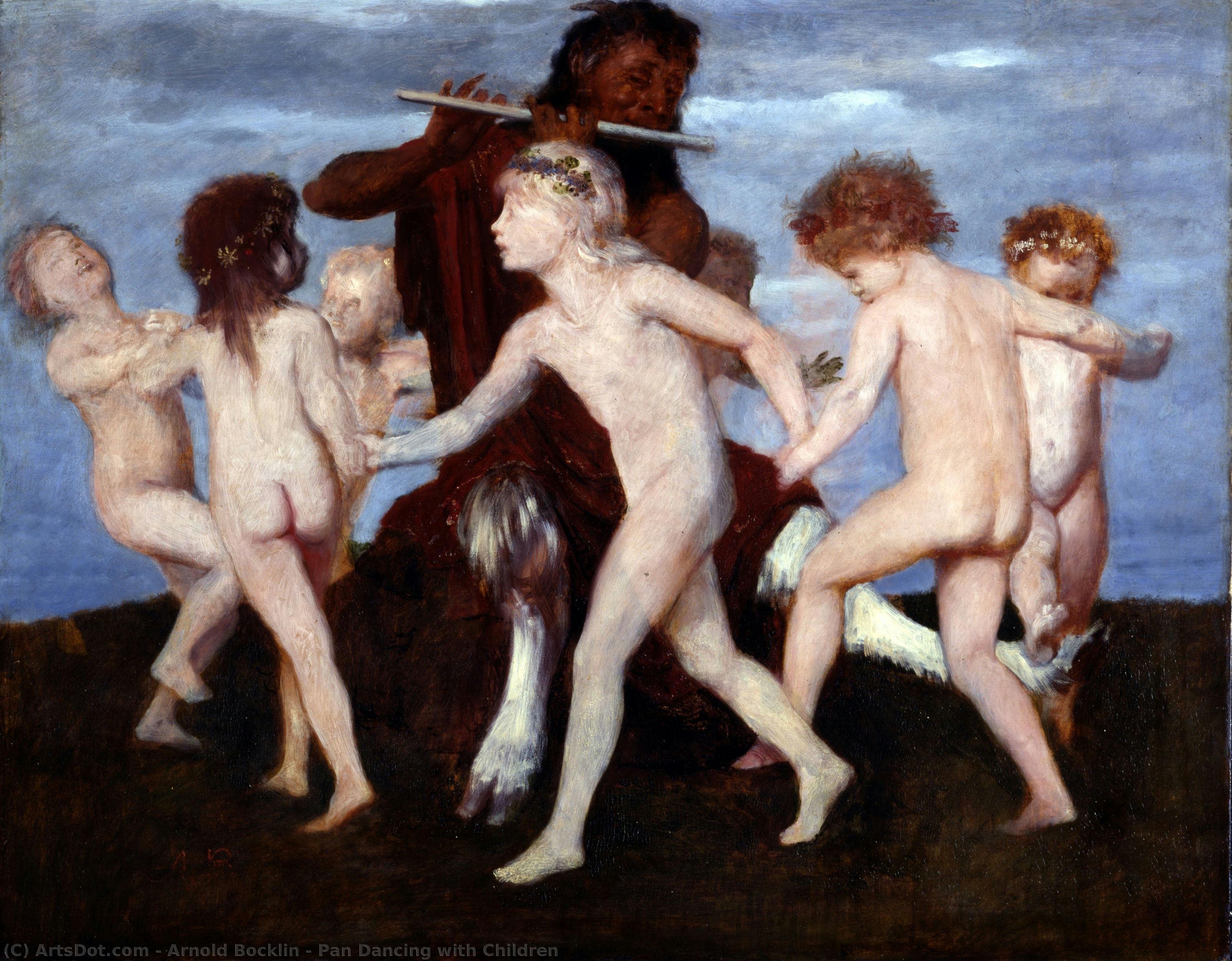
Pan Dancing with Children


 Zobrazit více
Giclée / Umělecký tisk
Giclée nebo plátěný tisk muzeální kvality s rychlou výrobou a širokou nabídkou povrchových úprav. ( Koupit ručně malovaný obraz Přepnout na digitální obraz)




P118B Kč10

P118H Kč10

P118W Kč10

P438Z Kč10

P508JH Kč12

P508YH Kč12

P805H Kč10

P805Z Kč10

P919BZ Kč10

P919G Kč10

P919XJ Kč10

P959ZH Kč10

P968JZ Kč12

W106C Kč8

W218G Kč10

W218JH Kč8

W218Y Kč10

W307PJ Kč10

W316G Kč10

W316PJ Kč8

W316Y Kč10

W398PJ Kč8

W4111J Kč10

W500HY Kč15

W500JH Kč15

W692G Kč12

W849H Kč8

W940BG Kč15

W953PJ Kč8




Vyberte si z našich přednastavených velikostí, které odpovídají původním proporcím díla.

Zadejte šířku a výšku, které potřebujete pro váš rám nebo stěnu. Tisk lze pouze oříznout, nikdy však nelze zvětšit obraz nad jeho původní rozměr, proto při výběru jiného formátu dochází ke ztrátě části obrazu. Před samotným tiskem vám zašleme digitální náhled k schválení. Obraz zobrazený na této stránce nenabízí skutečný výřez — ten uvidíte pouze v náhledu.
Celosvětové doručení () do 2 týdnů namísto standardních 4/5 týdnů. (30 říjen)

Zdarma celosvětová expresní doprava

Vysoce kvalitní lněné plátno

Kompletní pojištění přepravy

Záruka vrácení celního poplatku

Záruka věrného barevného souladu

100dení lhůta pro vrácení zboží (pouze při vadách výroby)

100% záruka vrácení peněz

Sleva při více objednávkách
 Skleněná varianta je dostupná pouze u rozměrů menších než 110 cm

Pan Dancing with Children
Giclée / Umělecký tisk
Rozměry reprodukce
-


Celková cena za vybrané možnosti reprodukcí
Kč 1738
The Enigmatic Dance: Arnold Böcklin’s “Pan Dancing with Children”
Arnold Böcklin's "Pan Dancing with Children," painted around 1884, isn’t merely a depiction of a pastoral scene; it’s an immersion into a realm of mythic beauty and unsettling serenity. This captivating work, currently residing within the Museum Folkwang in Essen, Germany, transcends simple representation, offering instead a profound meditation on childhood innocence, primal connection to nature, and the lingering presence of ancient spirits. Böcklin, a key figure in the Symbolist movement, masterfully employed a muted palette—primarily ochres, browns, and deep greens—to create an atmosphere thick with twilight and dreamlike suggestion. The figures themselves are rendered with a remarkable degree of detail, yet possess an almost ethereal quality, as if caught between worlds.
The painting’s composition is deliberately ambiguous. A central group of nude children, seemingly unburdened by adult concerns, frolic around Pan, the god of the wild, shepherds, and flocks. They are engaged in a variety of activities: playing musical instruments crafted from branches, holding hands in playful circles, and gazing upwards with an expression that blends curiosity and contentment. The inclusion of putti—small winged infants—further enhances the sense of otherworldly grace and innocence. Notice how Böcklin subtly integrates elements of classical mythology – the flute Pan holds is a direct reference to the god’s traditional instrument – alongside the rustic setting, creating a harmonious blend of ancient lore and contemporary observation.
A Glimpse into Symbolist Aesthetics
Böcklin's work firmly establishes him as a pivotal figure in the Symbolist movement, which sought to evoke emotions and ideas rather than simply depict reality. Rejecting the naturalism prevalent in earlier art movements, Symbolists like Böcklin prioritized subjective experience and explored themes of death, memory, and the subconscious. “Pan Dancing with Children” exemplifies this approach through its evocative atmosphere and symbolic imagery. The painting’s muted colors, soft lighting, and dreamlike quality contribute to a sense of melancholy and longing—a feeling that resonates deeply within the viewer.
The choice of nudity is particularly significant. It isn't presented in a provocative manner but rather as an embodiment of primal innocence and connection to nature. The children’s vulnerability underscores their purity, while their joyful dance suggests a liberation from worldly concerns. Böcklin’s meticulous attention to detail—from the texture of the children’s skin to the delicate folds of their clothing—further emphasizes their tangible presence within the scene.
Technique and Materials: A Masterful Blend
While often categorized as a painting, “Pan Dancing with Children” incorporates elements of mixed media. Böcklin skillfully combined oil paints with photographic techniques, creating a unique visual texture that blends the immediacy of photography with the depth and richness of traditional painting. This hybrid approach allowed him to capture fleeting moments of light and shadow, imbuing the scene with an unparalleled sense of realism. The use of layering and glazing—applying thin washes of paint over previous layers—contributes to the work’s luminous quality and creates a subtle interplay of colors.
The artist's background in Düsseldorf, associated with the school known for its emphasis on realistic depiction, is evident in the meticulous rendering of the figures and their surroundings. However, Böcklin departs from traditional academic techniques by prioritizing atmosphere and emotional impact over precise representation. This deliberate shift reflects his commitment to Symbolist principles and his desire to create a work that transcends mere visual observation.
Symbolism and Interpretation: Echoes of Ancient Myths
Beyond its aesthetic qualities, “Pan Dancing with Children” is rich in symbolic meaning. Pan himself represents the untamed spirit of nature—a force both benevolent and potentially dangerous. The children’s dance can be interpreted as a celebration of life, joy, and connection to the natural world. However, there's also an undercurrent of melancholy—a sense that this idyllic scene is fleeting and destined to fade away. The painting subtly evokes themes of mortality and the cyclical nature of time.
The inclusion of ancient myths – Pan’s role as a shepherd god, the presence of putti – connects the work to a broader cultural heritage, suggesting a timeless resonance between humanity and the natural world. Böcklin's masterful use of symbolism invites viewers to engage in their own interpretations, creating a deeply personal and emotionally resonant experience. Reproductions of this iconic artwork continue to captivate audiences with its haunting beauty and profound sense of mystery.
Otázky a odpovědi
Je dílo „Pan Dancing with Children“ od Arnold Böcklin spíše světlé, nebo tmavé?
Z hlediska vnímané jasnosti je dílo „Pan Dancing with Children“ od Arnold Böcklin balanced.
Jaké místo si v dějinách umění zaujímá „Pan Dancing with Children“ od Arnold Böcklin?
Z historického hlediska je „Pan Dancing with Children“ dílem stylů Symbolist Painting, které patří do širší éry 19th Century.
Jaký je doporučený formát a orientace pro tisk díla "Pan Dancing with Children"?
Velikost Medium, orientace Landscape: toto je doporučená konfigurace tisku pro dílo „Pan Dancing with Children“ od Arnold Böcklin.
Biografie umělce
Arnold Böcklin
Arnold Böcklin byl švýcarský malíř, kreslíř, grafik a sochař. Je považován za jednoho z nejvýznamnějších výtvarných umělců 19. století v Evropě. Jeho dílo vykazuje výraznou estetickou hodnotu díky kombinaci romantických motivů s prvky symbolistického mysticismu a melancholie, což ho odlišovalo od svých současníků a ovlivnilo další generace umělců. Böcklinův život byl poznamenán osobními ztrátami a komplikovanými vztahymi, ale zároveň byl charakteristický intenzivní kreativitou a neustálým hledáním nových estetických cest. Jeho tvorba reflektovala jeho filozofické přesvědčení o významu smrti jako součásti života a vyjadřovala komplexní emoční bohatství.- Život
- Výcvik
- Kariéra
- Styl
- Dílo
Výcvik
Böcklin získal své první vzdělání v Baselu, kde studoval kreslení pod vedením Ludwiga Adama Kelterborna. Později pokračoval ve studiích na Düsseldorfské akademii pod vedením Johann Wilhelma Schirmera, kde se stal přátelstvím Anselma Feuerbacha. Jeho akademické zkušenosti poskytly základ pro jeho pozdější vývoj jako umělce a ovlivnily jeho estetické cítění. Böcklinova pozornost byla věnována studiu klasických obrazů a technik malování, což výrazně podpořilo jeho tvorbu. Jeho zájem o filozofii Feuerbacha měl zásadní vliv na jeho intelektuální pozadí a estetickou perspektivu.Kariéra
Böcklin začal svou kariéru jako profesor krajiny na Weimarské akademii, kde vyučoval několik let a získával zkušenosti s výukovým prostředím a publikem. Jeho práce byly vystaveny v různých výstavách a získaly uznání kritiky i veřejnosti. Böcklinova činnost byla aktivní především ve druhé polovině 19. století, kdy se stal jednou z nejvýznamnějších postav švýcarského symbolistického umění. Jeho tvorba reflektovala změny společenských hodnot a estetických zájmů té doby. Böcklinův úspěch byl podpořen podporou významných osobností kultury a vědy, což výrazně zvýšilo jeho renomé a uznání.Styl
Böcklinův styl lze charakterizovat jako kombinaci romantické krajiny s prvky symbolistického mysticismu a melancholie. Jeho obrazy jsou často inspirovány klasickou mythologií a filozofiemi Feuerbacha, což vyjadřuje komplexní emoční bohatství a intelektuální rozhled. Böcklin používal bohaté barvy a světelné efekty, aby vytvořil atmosférické prostředí svých obrazů a vyjádřil své estetické cítění. Jeho tvorba byla ovlivněna dílem dalších významných umělců doby, jako například Caspara Davida Friedricha a Johann Wolfganga Goetheho. Böcklinův styl byl jedním z nejvýznamnějších rysů švýcarského symbolistického umění a měl zásadní vliv na další generace umělců. Jeho tvorba reflektovala osobní zkušenosti a filozofické přesvědčení o významu smrti jako součásti života.Dílo
Böcklin vytvořil rozsáhlé dílo zahrnující malby, kreslíře a grafiky, které jsou považovány za vrcholné dílo švýcarského symbolistického umění. Jeho nejznámějšími díly jsou *Isle of the Dead* (1880–1886), *Nymph and Satyr* (1858) a *Sappho* (1859). Jeho obrazy vykazují komplexní estetickou hodnotu díky kombinaci romantických motivů s prvky symbolistického mysticismu a melancholie. Böcklinův styl byl ovlivněn dílem dalších významných umělců doby, jako například Vincent van Gogha a Paul Cézanneho. Jeho tvorba reflektovala osobní zkušenosti a filozofické přesvědčení o významu smrti jako součásti života. Böcklinův dílo zůstává inspirací pro současné umělce a věřím, že jeho estetická hodnotu bude oceněna i v budoucnosti. Jeho tvorba vyjadřuje komplexní emoční bohatství a intelektuální rozhled.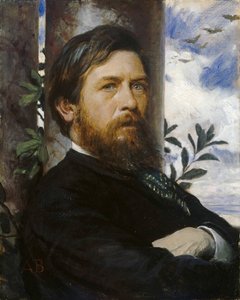
Arnold Böcklin
1827 - 1901 , Švýcarsko
Rychlé informace o umělci
- Artistic Movement Or Style: Symbolismus
- Artists Or Movements Influenced By This Artist:
- Hans Thoma
- Pre-Raphaeliti
- Artists Who Influenced This Artist:
- Schirmer
- Feuerbach
- Date Of Birth: 16. října 1827
- Date Of Death: 16. ledna 1901
- Full Name: Arnold Böcklin
- Nationality: Švýcarský
- Notable Artworks:
- Ostrov mrtvých
- Nymph a Satyr
- Sappho
- Place Of Birth: Basel, Švýcarsko
Související články
Timeless Legends: A Curated Guide to the Eternal Allure of Mythological Masterpieces
Embark on a sophisticated journey through the eternal allure of mythological art. Discover how master painters breathe life into ancient legends, from Greek deities to Baroque masterpieces, and learn to curate these timeless narratives within your own exquisite art collection.

Echoes of Olympus: Mythological Narratives in Western Art Through the Ages
Explore the captivating history of mythological narratives in Western art! From ancient Greece to modern masterpieces, discover iconic artworks & symbolism. Expert analysis and high-quality reproductions at OriginalUniqueArt.
Sir Nathaniel Dance-Holland: Portraiture, Patronage & Georgian Identity
Explore the life & art of Sir Nathaniel Dance-Holland, a leading Georgian portraitist. Discover his masterful technique, influential patrons, and lasting impact on 18th-century British society. A guide for discerning collectors.
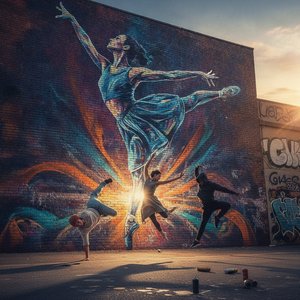
Move to the Beat: Bold & Iconic Dance Art to Electrify Your Space
Elevate your space with bold, iconic dance art. From street art vibes to Pop Art masterpieces, discover high-impact, hand-painted reproductions and custom commissions designed to move you. Transform your walls with the rhythm of contemporary culture.

Timeless Legends: The Eternal Allure of Mythological Figures in Masterpiece Art
Explore the profound beauty of mythological figures through the lens of art history. From Renaissance masterpieces to custom oil reproductions, discover how legendary tales of heroism and divinity are immortalized in fine art for discerning collectors.
